Summary
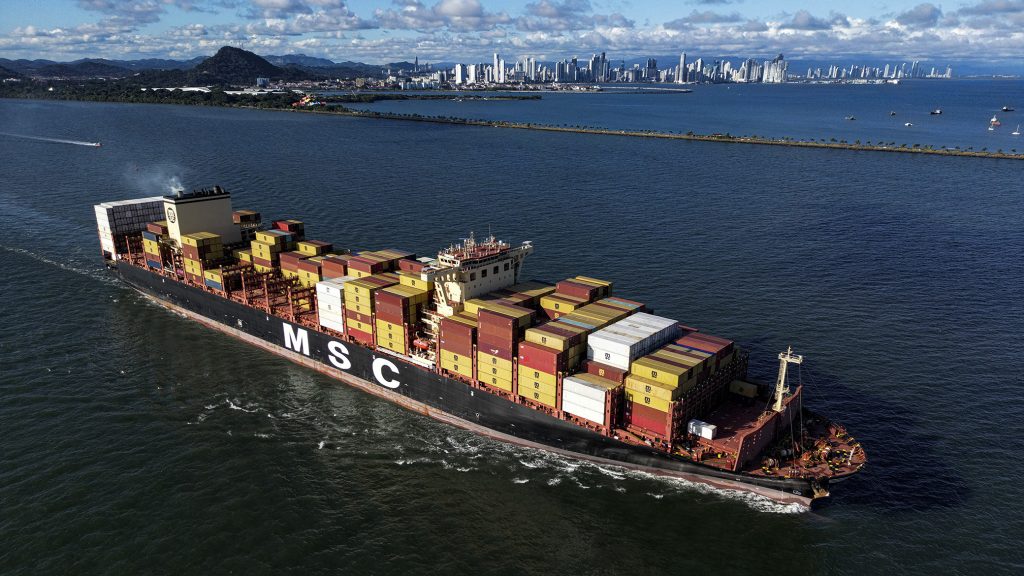
Since his election in November 2024, President Donald Trump has emphasized the Western Hemisphere’s significance to U.S. national security. Among these, Panama holds a critical position, with 40% of U.S. container traffic passing through the Panama Canal. Trump has expressed concern about the influence of the People’s Republic of China (PRC) in this region, particularly regarding ports owned by Chinese companies.
Historically, Panama has been a close U.S. ally since 1903. Under President José Raúl Mulino, who aligns with U.S. priorities such as migration and anti-corruption, there exists an opportunity to strengthen bilateral relations. Enhanced cooperation could improve national security, ensure uninterrupted maritime traffic through the canal, and provide a counterbalance to PRC investments.
Despite the long-standing partnership, the U.S. has failed to invest adequately in Panama post-1999 when the canal was returned to Panamanian control. Major infrastructure projects have been largely undertaken by Chinese firms, such as the expansion of the canal locks completed in 2016 by a European consortium. Chinese investments, amounting to over $2.5 billion in strategic projects, pose potential risks to U.S. interests, including cybersecurity threats and restricted access to canal operations.
The U.S. should prioritize institutional ties with the Mulino administration, focusing on economic investments and enhancing security cooperation. Current migrant flows exacerbate Panama’s challenges, prompting Mulino to prioritize closing the Darién Gap—an area crucial for managing migration. With U.S. support, including potential military engagement, Panama could bolster its capabilities to address this crisis.
The United States is currently Panama’s largest trading partner. In 2023, trade between the two nations reached over $12 billion, with U.S. foreign direct investment nearing $4 billion. Nevertheless, the lack of U.S. participation in major infrastructure projects leads to concerns over growing Chinese influence.
For a more effective partnership, the U.S. must re-evaluate investment strategies, ensuring that initiatives respond to Panama’s infrastructure needs while simultaneously reducing Chinese economic presence. This could involve leveraging the U.S. Development Finance Corporation to dismantle existing investment barriers.
Given the recent increase in crime rates associated with migration pressures, the U.S. must also enhance its role in public security and judicial reform. Strengthening Panama’s judicial system and pursuing anti-corruption efforts will improve both public safety and investor confidence.
In conclusion, revitalizing U.S.-Panama relations requires a multifaceted approach involving robust diplomatic engagement, economic cooperation, and security partnerships. Addressing PRC influence while simultaneously fulfilling Panama’s infrastructure and security needs will enhance both nations’ interests and solidify a lasting alliance in the Western Hemisphere.