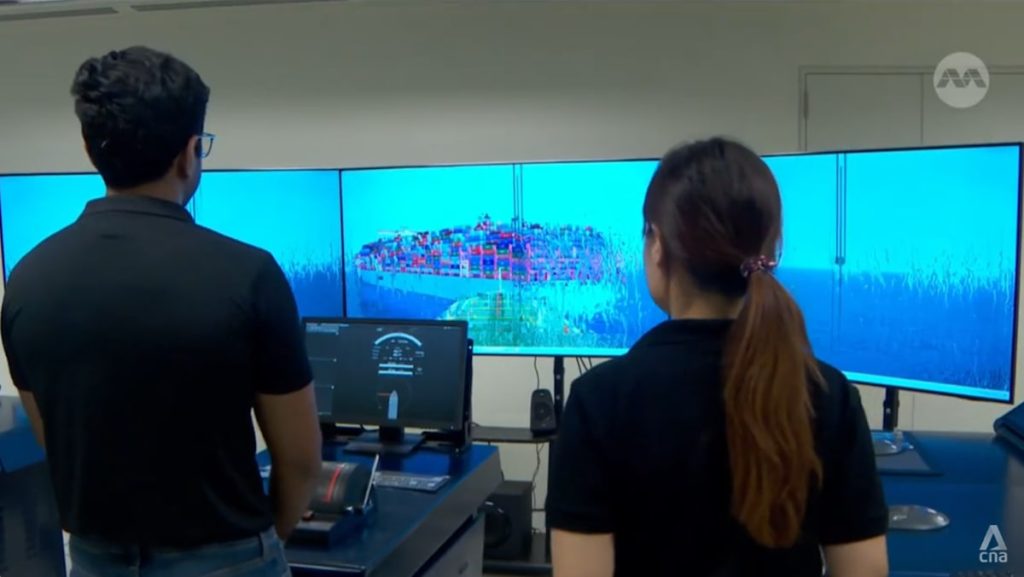
The Singapore University of Technology and Design (SUTD) emphasizes a hands-on approach to learning, particularly in the field of cybersecurity. This methodology is exemplified by the introduction of the MariOT facility, which simulates real-world scenarios for students to learn how to detect and defend against cyberattacks, especially in the maritime industry. Professor Zhou Jianying, director of SUTD’s iTrust Centre for Research in Cyber Security, highlighted the importance of this practical training for students aspiring to work in maritime careers.
In the face of increasing cyber threats, the Maritime and Port Authority of Singapore (MPA) recognizes the need for preparedness as the maritime sector undergoes digital transformation. MPA’s Chief Information Security Officer, Ong Chin Beng, pointed out that modern ships are integrating advanced digital technologies and Internet of Things (IoT) systems for better efficiency and sustainability. However, these innovations also introduce significant cyber risks. Therefore, training seafarers to identify and manage these cyber threats is crucial.
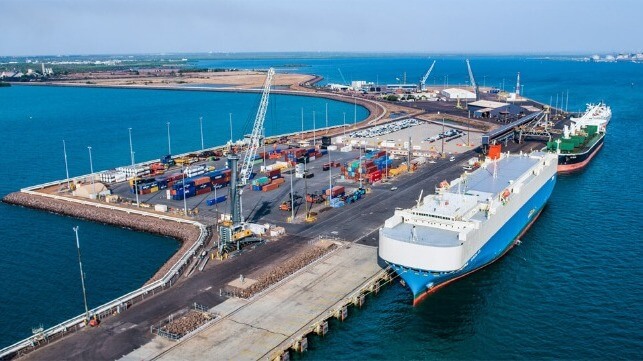
Ransomware poses a significant risk to maritime operations, often leading to disruptions that affect the delivery of goods, as 80% of global trade is conducted via maritime routes. Any cyberattack could jeopardize supply chain integrity, making the workforce’s preparedness vital.
To strengthen the industry’s cybersecurity capabilities, SUTD, in collaboration with MPA, will host the inaugural MariOT cybersecurity training exercise, marking a significant initiative aimed at enhancing the sector’s resilience against cyberattacks. Over the next three years, this program aims to train more than 300 participants, including ship crew, cybersecurity experts, and port operators, providing them with essential skills and experiences.
Senior Minister of State for Transport, Amy Khor, emphasized that the future of the maritime industry relies on decarbonization, digitalization, and workforce development. She stressed that future-proofing the workforce necessitates collaboration among unions, industry players, and the government to reskill workers for the green and digital transitions. By investing in training and development, Singapore aims to solidify its status as a technologically advanced global maritime hub.
Overall, this initiative represents a proactive step towards preparing the maritime workforce for an increasingly digital future, ensuring both operational resilience and security in a crucial global industry.