India’s China Challenge in the Indian Ocean: A Strategic Overview
The Indian Ocean Region (IOR) has emerged as a critical zone for global security and economic dynamics, particularly due to increasing extra-regional influences, most notably from China. The Parliamentary Standing Committee on External Affairs in India has identified this growing Chinese presence as a significant strategic challenge.
Resurgence of the Indian Ocean’s Significance
Since the early 2000s, the Indian Ocean has gained importance with the rise of regional economies, mainly India and China. This has transformed the ocean into a central hub for global trade and connectivity, underscoring its role in international commerce and security.
Maritime Security Concerns
The emergence of piracy, particularly off the Somali coast, has highlighted vulnerabilities in Sea Lines of Communication (SLOCs), leading to intensified maritime security efforts in the region. This has raised awareness of the need for robust security frameworks to protect vital shipping routes.
The Indo-Pacific Geostrategic Framework
The Indo-Pacific Framework has further elevated the Indian Ocean’s strategic value, becoming a pivotal axis in the evolving global order. China’s approach to the IOR differs from its assertiveness in the South China Sea; it employs a gradual, long-term strategy focused on economic, political, and maritime initiatives to enhance its footprint.
Chinese Influence: Infrastructure and Surveillance
China’s influence in the IOR is expanding through:
- Political and Economic Engagement: Strengthening ties with countries like Sri Lanka, Maldives, and Bangladesh.
- Dual-Use Infrastructure: Investing in ports and projects that can serve both civilian and military purposes.
- Surveillance Activities: The deployment of research vessels for underwater surveillance raises significant security concerns for India.
In 2022, China launched the China-Indian Ocean Forum to assert leadership in regional governance, underscoring the geopolitical divergence in the area, particularly with India’s absence from this forum.
Naval Power and Military Base Expansion
China’s military base in Djibouti established in 2017 has marked a significant expansion of its naval capabilities in the IOR. The increasing number of Chinese vessels and extended deployments pose direct challenges to Indian maritime interests, with strategic assets being developed near India’s maritime boundaries.
India’s Strategic Response
In response, India is strengthening regional partnerships and raising awareness regarding China’s long-term intentions and security threats. Notably, Sri Lankan President Anura Kumara Dissanayake affirmed Sri Lanka’s promise not to use its territory against India’s interests.
India remains opposed to initiatives like China’s Belt and Road Initiative (BRI) and is actively positioning itself as a preferred security partner in the IOR. Under Prime Minister Modi, the MAHASAGAR doctrine, which emphasizes mutual and holistic advancement for security and development, drives this maritime strategy.
Strengthening Regional Institutions
India is reinforcing collaboration through various regional institutions—including the Indian Ocean Rim Association (IORA), Indian Ocean Naval Symposium (IONS), and others—to exclude Chinese influence from Indian Ocean affairs.
Naval Modernization and Capability Building
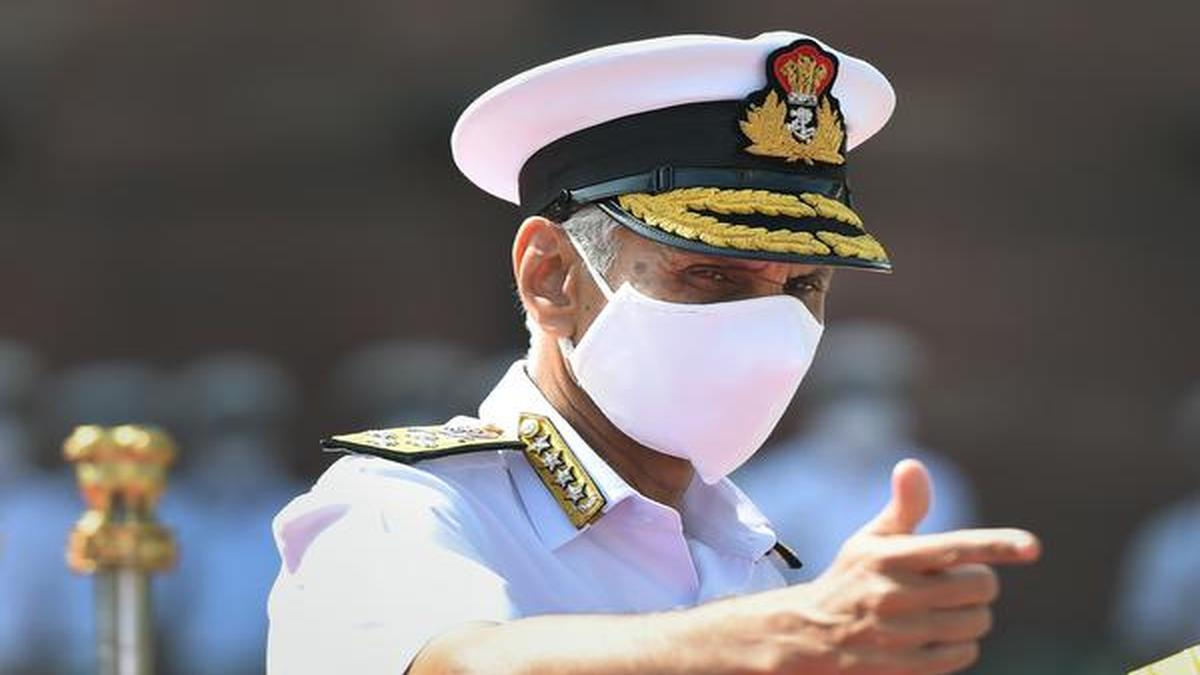
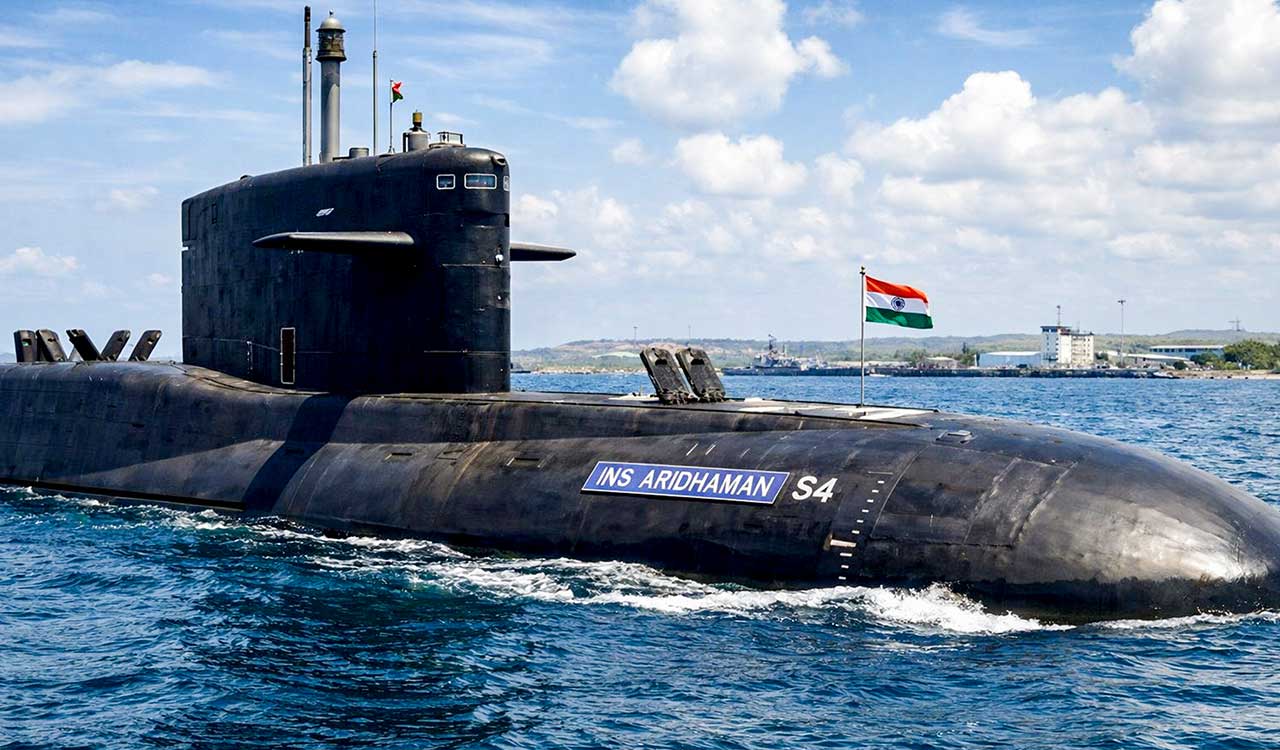
India is investing in the indigenous development of its naval capabilities, focusing on modernization, force buildup, and operational readiness, ensuring preparedness against emerging challenges.
Conclusion
India faces a multifaceted challenge from China’s strategic expansion in the Indian Ocean. Through strengthened regional alliances, enhanced maritime security initiatives, and investment in indigenous naval capabilities, India aims to secure its interests and maintain stability in an increasingly contested maritime environment.