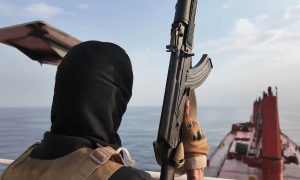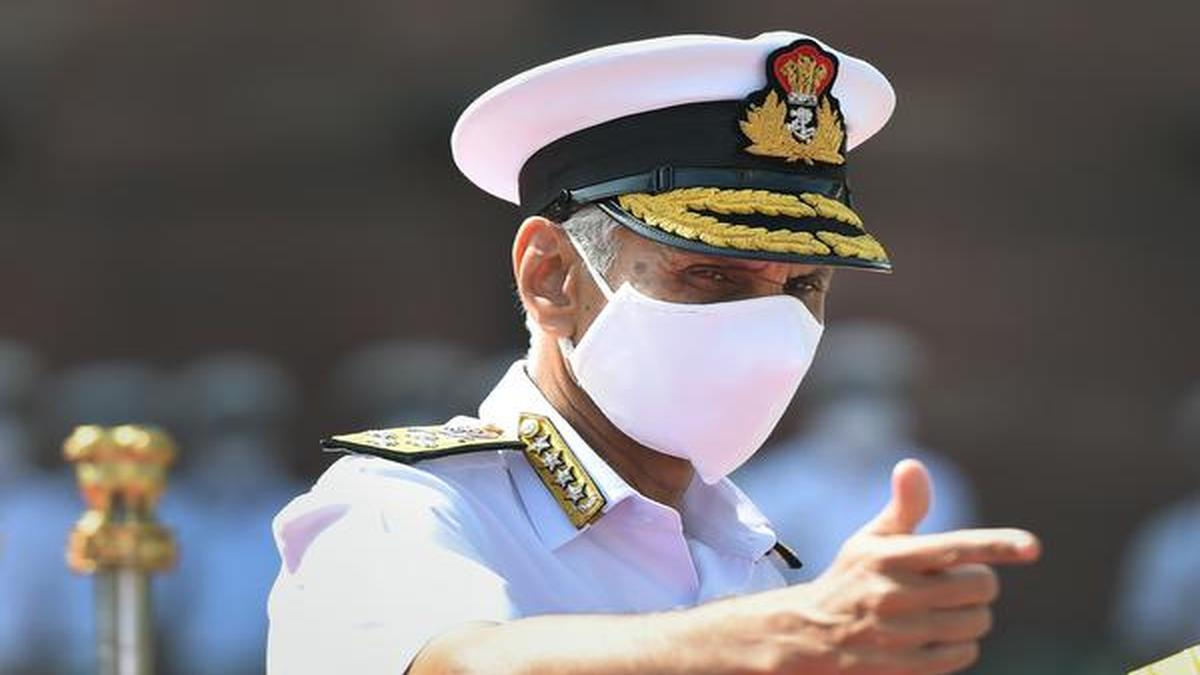
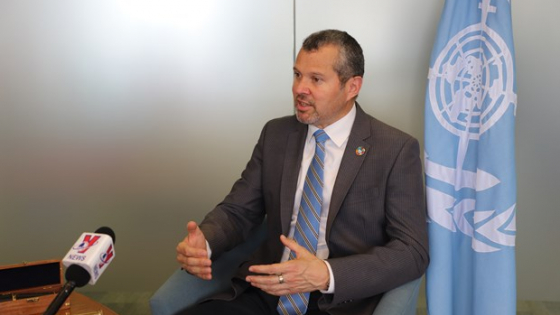
In a recent interview, Arsenio Dominguez, the Secretary-General of the International Maritime Organisation (IMO), highlighted significant security threats posed to global maritime safety and trade due to escalating attacks on seafarers in the Red Sea. Notably, incidents like the sinking of the Rubymar and the True Confidence attack jeopardize not only the safety of maritime professionals but also disrupt international trade routes, with a considerable percentage of global trade (approximately 15%) transiting this vital corridor annually.
Dominguez expressed his deep condolences for those impacted by the True Confidence attack, particularly acknowledging the loss of a Vietnamese citizen. He emphasized that these violent acts primarily endanger the lives of seafarers before they affect trade. Shipping, which facilitates over 80% of global trade, faces serious interruptions leading to longer shipping routes—such as diverting around the Cape of Good Hope—which consequently heightens transportation costs and environmental emissions, counteracting IMO’s efforts to reduce pollution in maritime operations.
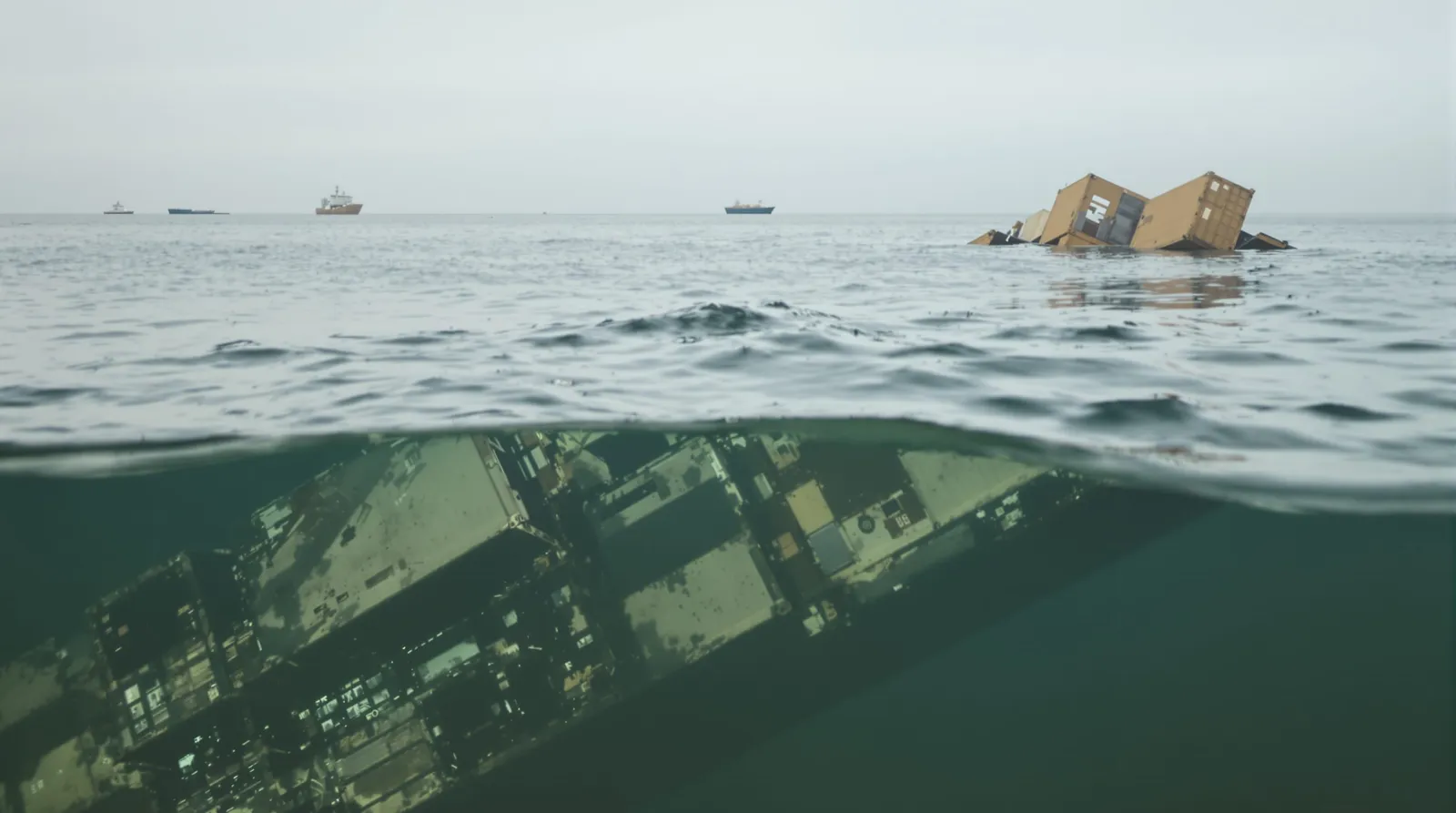
Beyond economic implications, the environmental impact of the Rubymar sinking poses risks, including potential pollution and navigation hazards. The IMO is collaborating with the United Nations Office for the Coordination of Humanitarian Affairs and other environmental bodies to provide assistance in managing any potential fallout from such incidents, particularly in Yemen.
To tackle these challenges, the IMO is revisiting and potentially enhancing its guidelines established over a decade ago to combat piracy and maritime robbery, particularly in vulnerable regions like the Gulf of Aden. Continuous monitoring and diplomatic engagement are key strategies employed by the IMO to protect seafarers, vessels, and cargo.
Dominguez underscores the importance of building a cooperative network among stakeholders—including governments, NGOs, and UN agencies—to enhance maritime security through shared legislation and strategies. Projects focused on implementing safety and security measures further support this initiative. The Djibouti Code of Conduct, aimed at improving maritime safety in the region, exemplifies the proactive steps being taken to address these challenges effectively.
This year, the IMO is celebrating advancements in maritime safety under the theme “Navigating the Future Safety First.” Dominguez advocated for public awareness of the critical role that seafarers play in global trade, suggesting a new slogan, “No seafarers, no shipping, no shopping,” to emphasize their importance. Hence, the safety and security of maritime professionals remain a core focus for the IMO in ensuring the smooth operation and future stability of global shipping trade.
Source link