The maritime governance priorities of the Philippines revolve around addressing multifaceted issues unique to its status as an archipelago, which include coastal and marine management, tourism, territorial disputes, and institutional capabilities. Despite the introduction of the National Marine Policy (NMP) in 1994, the country has struggled to establish clear priorities, often focusing on immediate crises instead of long-term sustainability. Key frameworks guiding national direction include the National Security Policy (NSP), Philippine Development Plan (PDP), and Maritime Industry Development Plan (MIDP), which collectively emphasize the importance of territorial integrity, sovereignty, and environmental resilience.
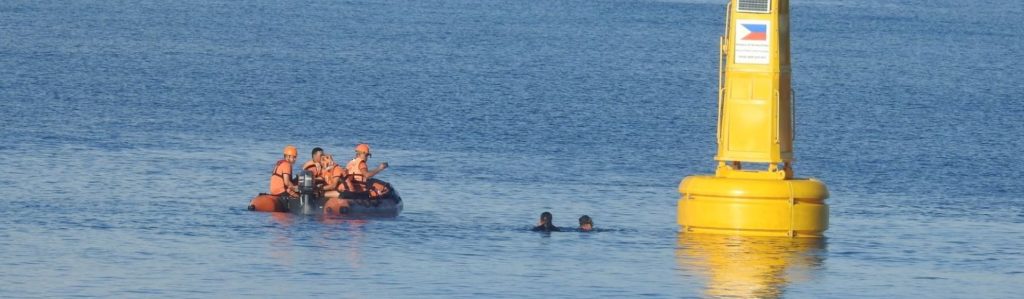
A pressing maritime security challenge is posed by ongoing disputes in the South China Sea, particularly the West Philippine Sea, which is critical due to its abundant resources and strategic trade routes. The Philippine government views the resolution of these disputes as vital not just for territorial integrity, but for the economic security of its citizens, leading to legislative efforts like the Maritime Zones Act aimed at clarifying maritime jurisdiction and bolstering protection against external threats.
The Philippines boasts some strengths in maritime governance, primarily through its institutional frameworks and collaborative approaches. It leverages international law, notably the UN Convention on the Law of the Sea, to assert its claims, as demonstrated by its successful case against China in the Permanent Court of Arbitration. Additionally, the country engages in community-based coastal resource management and participates actively in international partnerships to align its local initiatives with global standards.
However, significant capacity gaps hinder effective governance. Key issues include limited maritime domain awareness due to inadequate surveillance capabilities and budget constraints, which affect the acquisition of necessary modern equipment. Furthermore, the aging NMP lacks focus, leading to policy gaps and fragmented implementations across government agencies.
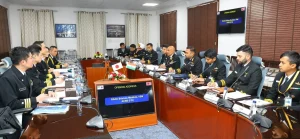
To improve governance capacity, the Philippines should prioritize international cooperation in areas such as maritime security, sustainable fisheries management, and climate change adaptation. Collaborations with allies like the United States, Australia, and naval partners in Southeast Asia are essential for strengthening defense capabilities, intelligence sharing, and joint exercises.
Likewise, regional cooperation frameworks such as ASEAN facilitate dialogue and cooperative initiatives involving maritime resource management and territorial disputes. Minilateral engagements with countries including Japan and India offer avenues for targeted capacity-building efforts.
In summary, while the Philippines possesses a robust institutional framework and strategic legislative measures for maritime governance, it must address substantial capacity gaps and prioritize international collaborations to enhance its holistic maritime management approach.