As the conflict between Russia and Ukraine escalates, both countries are engaged in a critical economic battle, influencing the war’s outcome. Despite the devastation inflicted by the Russian invasion, Ukraine’s economy has shown resilience, recovering significantly after a 29% GDP contraction in 2022 with a 5.5% growth in 2023. This resilience is reflected in the relative stability of its markets, where ATMs operate normally and shops remain stocked, defying typical wartime economic downturns.
A significant factor in Ukraine’s recovery is the strength of its state institutions, particularly the finance ministry and the National Bank of Ukraine. Following the turmoil of 2022, Ukraine’s state revenue increased, and the nation has made notable strides in combating corruption. From a rank of 142 in Transparency International’s Corruption Perceptions Index in 2014, Ukraine improved to 105, buoyed by rising nationalism, EU accession demands, and adherence to IMF program requirements.
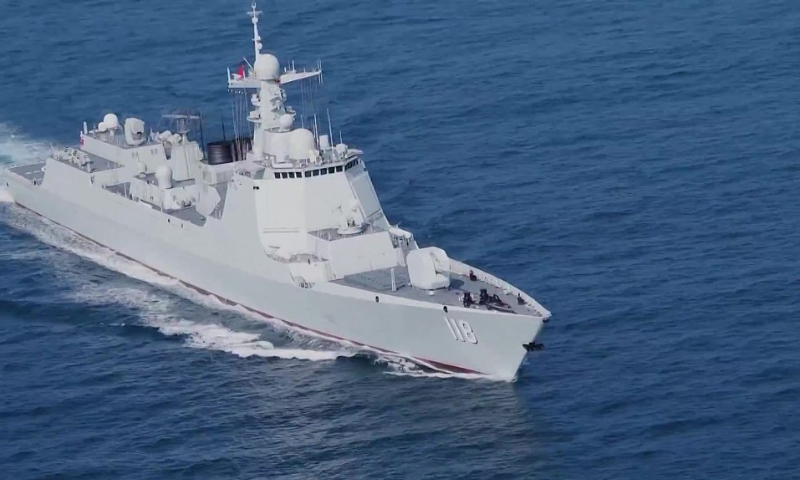
For sustainable progress, Ukraine requires approximately $42 billion annually in external budget financing—over 20% of its GDP—to address its budget deficit. Although delays in European financial support led to high inflation rates in 2022, full financing in 2023 reduced inflation to 5%. Additionally, the revitalization of maritime trade through Black Sea ports, particularly after Ukraine gained the upper hand against the Russian Black Sea Fleet, is crucial for exporting commodities like grain, steel, and iron ore.
Electricity supply stability is another critical component for Ukraine’s economic health. Disruptions due to Russian attacks on energy infrastructure have led to economic downturns in previous years. However, the short-term outlook has darkened again, with early 2025 figures showing only 1.1% growth and inflation rising to 15.9%. These trends point towards a potential stagflation scenario, stemming from labor shortages and high interest rates.
Conversely, Russia’s economy mirrors Ukraine’s struggles, affected by the ongoing war. After two years of 4% growth, Russia anticipates only 1.5% growth this year, with inflation around 10%. While Russia allocates a significant portion of its budget to military expenditures, concerns about sustainability loom, especially as the Kremlin dips into its national welfare fund to cover a growing budget deficit.
Despite common assumptions, Russia does not hold a significant advantage over Ukraine regarding military spending efficiency. Much of Russia’s military budget is misappropriated, and Western sanctions hinder its military innovations. In contrast, Ukraine benefits from a burgeoning arms industry and a more innovative economic environment.
As the war enters a potentially critical stage, the balance of economic power could shift with increased Western support. To enable Ukraine to surpass Russia in military resources, a strategic proposal suggests utilizing approximately $200 billion in frozen Russian assets to double Ukraine’s military budget. This financial injection could enhance Ukraine’s firepower, technological advancements, and overall morale in the ongoing conflict.
In summary, while both Russia and Ukraine face severe economic pressures from prolonged warfare, the dynamics of their respective economies could significantly impact the war’s trajectory. The focus for Ukraine will remain on securing necessary funding, maintaining vital trade routes, and ensuring energy supply stability, all while leaning on Western partnerships for further support.
Source link