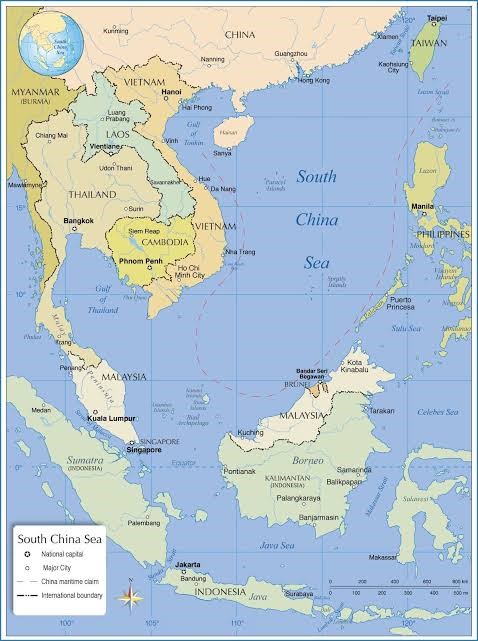
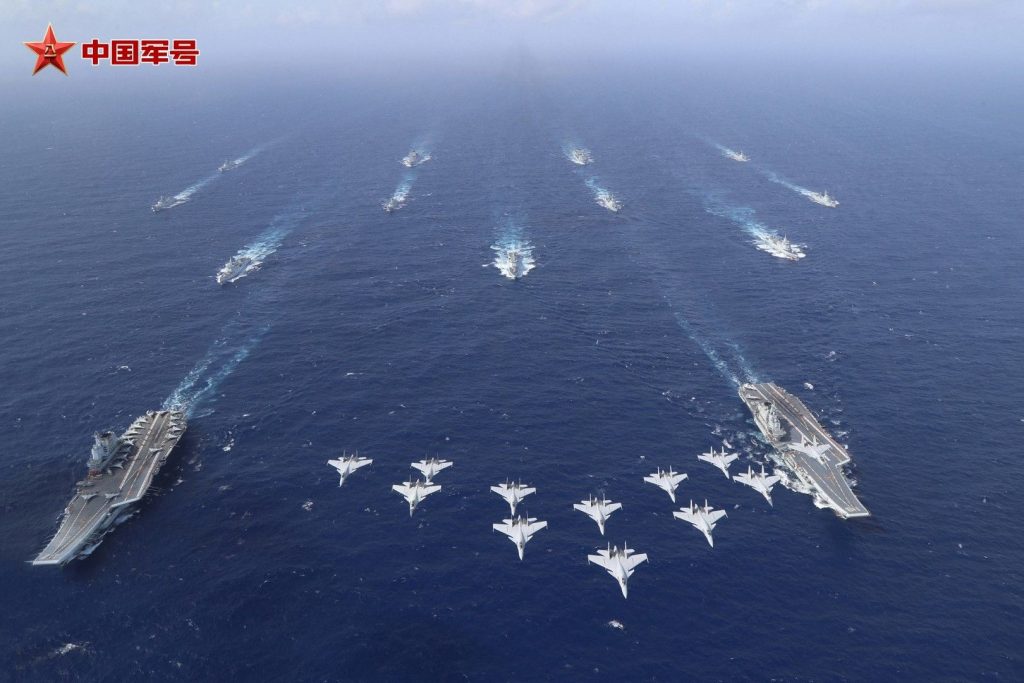
The latest Pentagon assessment underscores the growing capabilities of the People’s Liberation Army Navy (PLAN), highlighting their gradual expansion beyond East Asia into regions such as the Gulf of Aden. Ely Rattner, the Assistant Secretary for Indo-Pacific Security Affairs, emphasized that China is equipped with both the “will and capability” to reshape the international order to its advantage. While China’s stated military budget is around $220 billion, actual expenditures are estimated to exceed this figure by 40 to 90 percent, reflecting greater military investments than previously acknowledged.
Despite boasting the largest navy globally, the quality of personnel, particularly in the officer corps, remains a significant challenge. Michael Chase, Deputy Assistant Secretary for China, Taiwan, and Mongolia, pointed out that President Xi Jinping’s ambition for the Chinese military to be ready for a quick invasion of Taiwan by 2027 is currently unrealistic. The Chinese forces have not yet showcased the essential urban warfare skills or long-range logistical capabilities necessary for such operations, indicating ongoing deficiencies.
These deficiencies, known colloquially as the “five incapables,” highlight the inability of some officers to accurately assess situations, comprehend high command intentions, make tactical decisions, deploy forces effectively, or handle unexpected events. The Chinese media has attributed these issues to a “peace disease,” while the military has sought to implement more realistic training exercises that promote joint operations among officers.
On the maritime front, the PLAN is increasingly composed of advanced, multi-role platforms with sophisticated anti-ship, anti-air, and anti-submarine technologies. This modernization is consistent with China’s prioritization of maritime operations that extend far beyond its coastal waters. Additionally, military planners are focusing on enhancing China’s strike capabilities against land targets from submarines and surface warships.
In 2023, joint military operations between China and Russia have intensified, causing concern in neighboring countries like Japan and South Korea. However, Rattner characterized these exercises not as indicative of advanced operational capability but rather as coordinated drills without substantial military advancements.
Chase anticipates that China’s nuclear arsenal could grow to approximately 1,000 warheads by 2030, up from the current estimate of 600. He raised questions about the purpose of this nuclear expansion, noting China’s unwillingness to discuss its nuclear strategies or engage in conversations about cyber and space military efforts.
As China modernizes its military capabilities, Xi’s anti-corruption campaign has notably impacted the PLA. The initiators of these purges targeted high-ranking officials within the Rocket Force and its missile development sectors. This campaign has left the military more risk-averse, potentially undermining operational capabilities.
Rattner remarked that Xi Jinping has made the anti-corruption drive a hallmark of his leadership, viewing it as vital to maintaining political reliability and operational effectiveness within the PLA. The continuous investigations and purges may have far-reaching consequences on lower-tier military officials and the broader military structure, prompting hesitance in military engagement due to fears of scrutiny.