
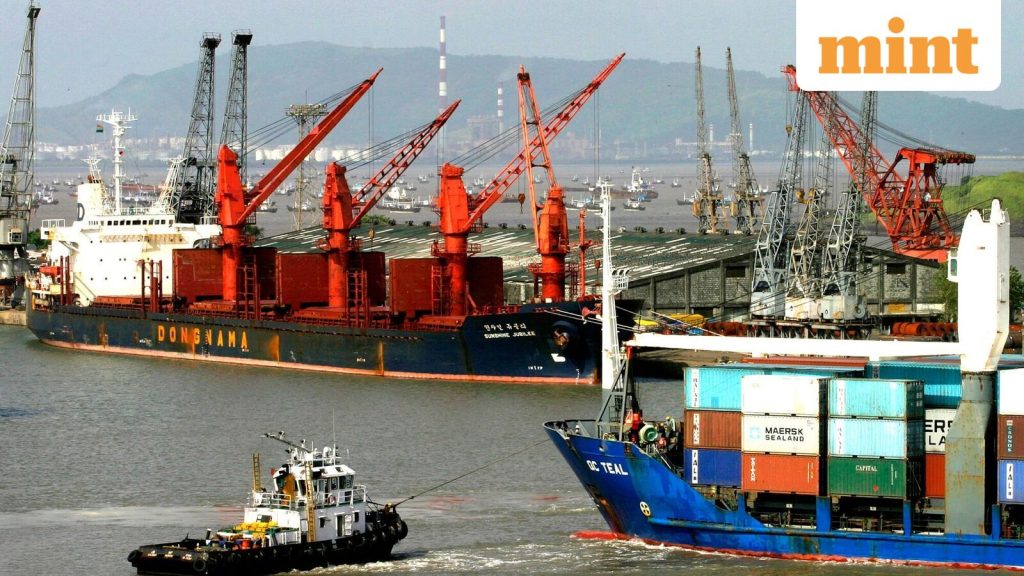
The Indian government is considering a proposal to exempt Indian seafarers on domestic ships from tax deducted at source (TDS) or to reduce the TDS rate. This initiative aims to make Indian shipping companies more competitive compared to foreign lines by alleviating the tax burden that currently drives many Indian seafarers to seek employment on foreign vessels.
As of FY25, approximately 320,000 Indian seafarers accounted for about 16% of the global maritime workforce, yet only 25,000-30,000 were employed on Indian-flagged ships. This situation has been exacerbated by the high TDS rate, which mirrors the income tax rate, pushing most mid-level Indian seafarers into the 30% tax bracket due to their earnings, including bonuses and allowances.
The Ministry of Ports, Shipping, and Waterways has suggested to the Finance Ministry that reducing or exempting TDS could help Indian shipping lines lower operational costs, thereby enabling them to increase their market share in coastal trade. Currently, Indian shipping companies are reported to have gross tonnage of about 14 million, with only 1-1.5 million tonnes utilized for coastal trade.
In response to the shipping industry’s appeal for reduced TDS rates, the Finance Ministry has sought detailed data on how many Indian seafarers are adversely affected by the TDS structure. This information is critical for determining whether an exemption or reduced tax rate should be applied across the sector.
Industry representatives, like Anil Devli, CEO of the Indian National Shipowners’ Association, emphasize that a reduction in TDS is vital to retaining skilled seafarers within India, preventing brain drain to foreign companies that do not impose similar tax burdens. Neetu Vinayek from EY India also asserts that targeted TDS exemptions would not only alleviate financial pressures on seafarers but also bolster the competitiveness of Indian shipping firms, aligning tax treatments more closely with international standards.
Furthermore, the Indian government aims to increase the proportion of Indian seafarers in the global workforce to over 50% in the coming decade, addressing a deficit in maritime officers and aspiring to position India as a significant player in global shipbuilding. Improving the number of Indian-flagged vessels is seen as essential to reduce reliance on foreign shipping lines, which currently transport 92% of India’s imports and exports and cost the nation around $60 billion annually in freight charges.
The overarching goal is clear: by enhancing conditions for Indian seafarers and encouraging growth in domestic shipping, the government hopes to strengthen India’s maritime position, thereby fostering a more self-reliant economy in the shipping sector.
Source link