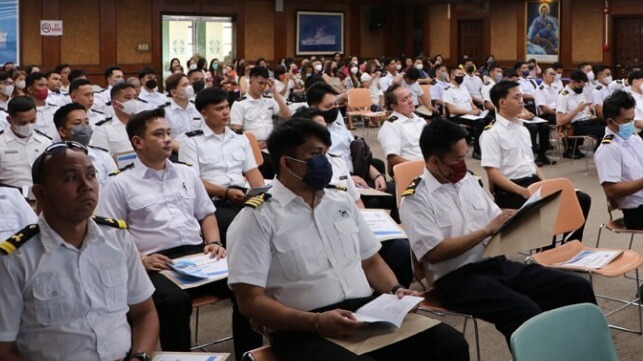
Philippine authorities are making substantial strides to enhance the quality of seafarer training in response to concerns from the European Commission (EC) regarding longstanding deficiencies in the national maritime education sector. This initiative follows an alarming 2022 report from the European Maritime Safety Agency (EMSA), indicating that Filipino maritime training programs were not meeting the international standards set by the International Convention on Standards of Training, Certification and Watchkeeping for Seafarers (STCW). The report highlighted that the Philippines had failed 17 annual inspections dating back to 2006.
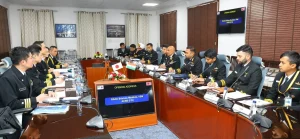
To address these issues, the Maritime Industry Authority (MARINA) and the Commission on Higher Education (CHEd) outlined their plans at a briefing in Manila. These plans include the closure of 15 non-compliant maritime training programs and a five-year moratorium on new programs, allowing them to focus on improving existing ones. President Ferdinand Marcos Jr. emphasized the need for this initiative, underscoring the importance of maintaining recognition for Philippine seafarers, who comprise a significant portion of the global maritime workforce.
The EC’s recent appraisal concluded that the Philippines has shown “concrete progress and improvement” in meeting the required standards. As MARINA’s chief pointed out, the recognition is valid for ten years but will involve continuous assessment and monitoring by EMSA. Thus, ongoing training and capacity building for maritime personnel and stakeholders will be critical in maintaining these standards.
Furthermore, to enhance the educational framework, MARINA and CHEd are collaborating with industry experts to improve the curriculum for maritime programs. This partnership aims to ensure that maritime schools possess adequate facilities, competent instructors, and the necessary equipment to effectively deliver training that meets EMSA’s standards. CHEd Chairperson J. Prospero De Vera III emphasized the importance of being able to monitor all maritime schools rigorously, not just in curriculum implementation but also in practical training conditions.
In addition to curriculum improvements, authorities are developing new assessment tests to better evaluate candidates’ preparedness for maritime programs. To ensure comprehensive oversight, MARINA plans to partner with the Philippine Coast Guard for ongoing evaluations of educational institutions. The Department of Transportation is also collaborating with the Overseas Workers Welfare Administration to explore additional training opportunities aimed at career advancement for Filipino seafarers.
The significance of these initiatives cannot be overstated, as an estimated 50,000 Filipino officers and masters are currently employed on EU-flagged vessels, and between 20% to 25% of all international commercial seafarers are Filipino. Improving the training and certification processes for these individuals is paramount to sustaining their employment opportunities globally. As the Philippines works to elevate its maritime education standards, the focus remains on creating programs that not only comply with international regulations but also empower Filipino seafarers for future career success.
Source link