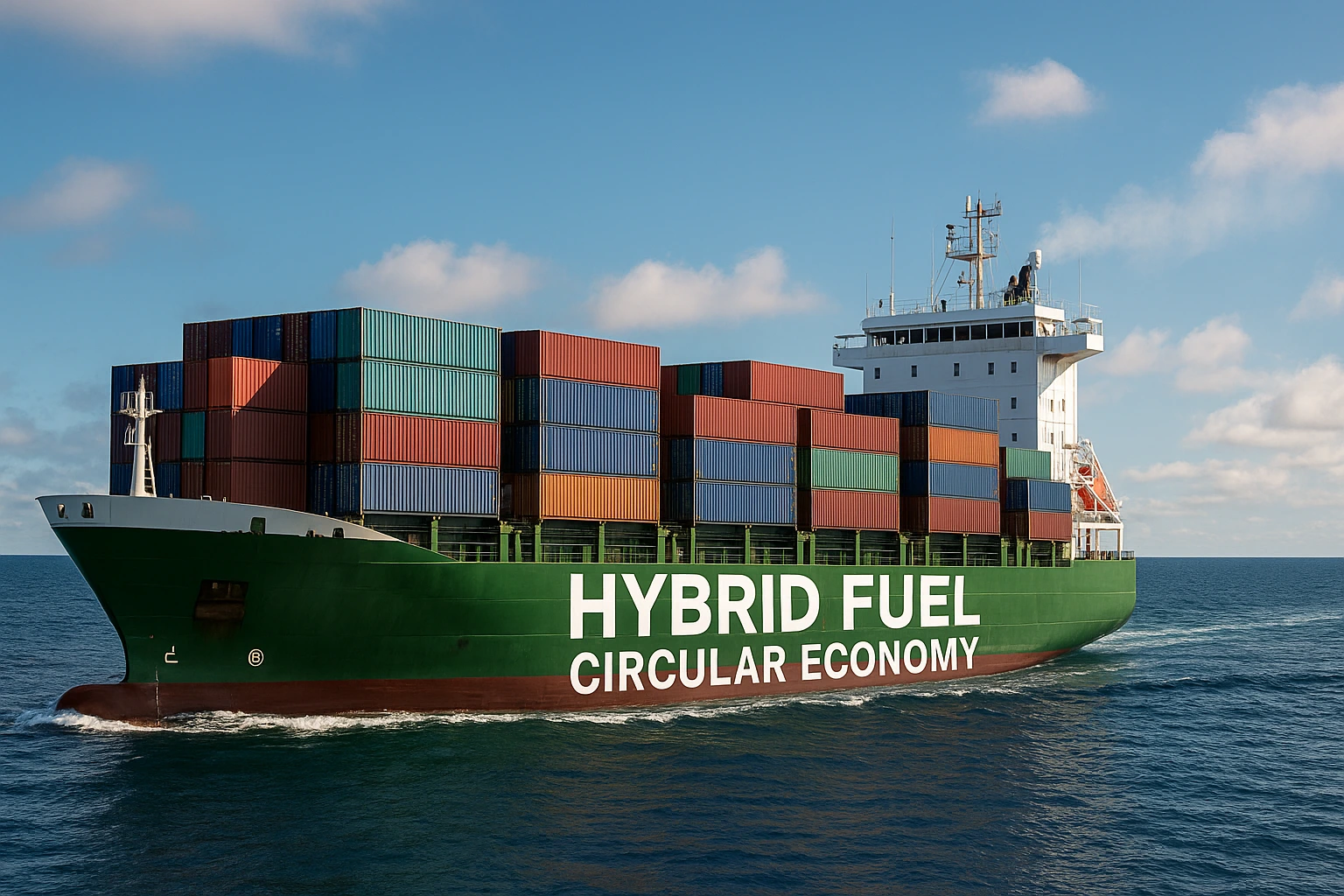
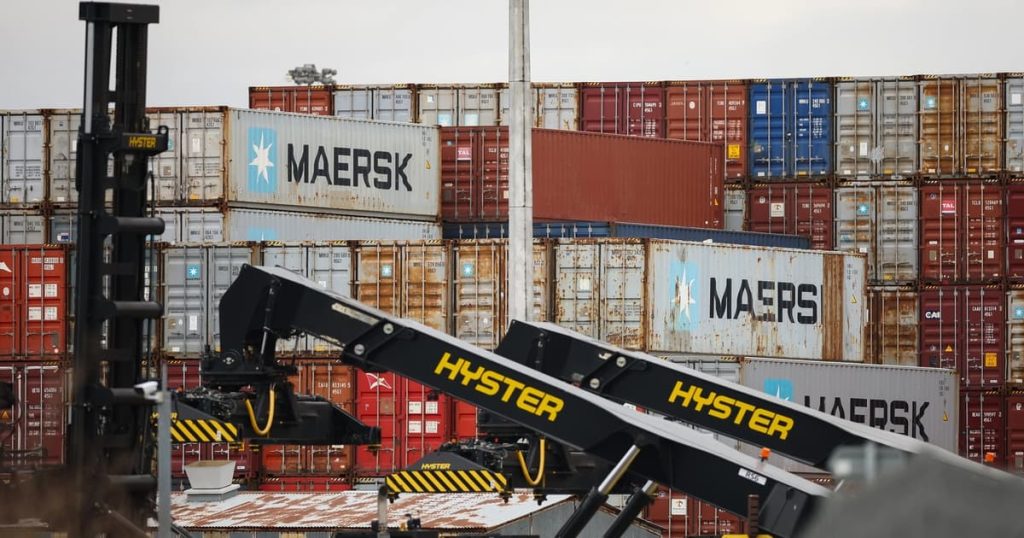
US container imports have recently reached record levels as businesses race to bring in goods like toys, furniture, and machinery from China in a bid to circumvent the tariffs imposed by President Trump. These tariffs, part of an escalating trade war, have created significant turbulence within the ocean shipping industry, which is critical to global trade, accounting for approximately 80% of it.
The Trump administration’s new plan to impose “reciprocal tariffs” on countries with duties on American goods has added to the uncertainty, especially after new import levies were placed on products from Mexico, Canada, and China. Major shipping companies, including MSC, Maersk, and CMA CGM, rely on the trade volume generated by major retailers like Walmart and Home Depot. The ongoing tariff changes have left many companies confused, as noted by Blake Harden, vice-president of the Retail Industry Leaders Association. The rapid and unpredictable tariff increases have made it difficult for companies to plan their sourcing and compliance strategies, creating a sense of instability in the market.
Importers have found it necessary to adopt expensive air freight options to sidestep anticipated tariffs, evidenced by an increase in air shipping for items that would typically be transported by sea. This shift reflects proactive measures taken by companies to buffer against potential tariff hikes. Notably, container imports surged as businesses stockpiled goods from China while simultaneously increasing their imports of various other products from different regions to mitigate tariff impacts.
The cost of shipping a 40-foot container from the Far East to the US West Coast rose substantially, showcasing how demand dynamics are changing rapidly due to tariff concerns. Despite higher charges, the rates remain lower than they were during past crises, like those caused by geopolitical tensions in Red Sea shipping lanes.
However, these front-loading tactics are viewed as stopgap measures, with experts cautioning that retaliatory tariffs could stifle long-term demand. Additionally, a separate proposal to impose hefty port fees on ships linked to China poses further risks to industries including agriculture and energy, undermining Trump’s initial promises to support these sectors. Critics warn that this could lead to chaotic port conditions as operators attempt to sidestep these fees, further complicating the logistics of shipping.
The Trade environment has contributed to stagnation in the US manufacturing sector, which is heavily reliant on imports and exports. S&P Global Market Intelligence forecasts a decline in US ocean container freight imports in 2025, signaling further distress in the transport demand landscape.
As the situation evolves, US Customs and Border Protection faces challenges in adapting to new tariff structures, with delays in implementing some changes already affecting operations. As numerous stakeholders in shipping and trade attempt to navigate this uncertain terrain, the overarching sentiment is one of anxiety and caution, highlighting the profound implications of these newly imposed tariffs and counter-tariffs on both businesses and the broader economy.
Source link