According to Allianz Global Corporate & Specialty SE’s (AGCS) Safety & Shipping Review 2018, the overall losses in the shipping industry decreased significantly in 2017, dropping by more than a third (38%) over the past decade. However, specific factors, particularly in Asia, contributed to higher loss rates, notably bad weather, safety issues, and increased traffic on domestic routes.
The AGCS review focuses on shipping losses over 100 gross tons (GT) and reveals that bad weather was a contributing factor in approximately one-quarter of all losses, amounting to over 20 vessels. Despite the decrease in total losses, human error remains a primary factor in shipping incidents, exemplified by the collision involving the Sanchi oil tanker. This issue is compounded by inadequate support from shore-side operations and commercial pressures that can harm safety cultures and decision-making processes on board vessels.
Rahul Khanna, AGCS’s global head of Marine Risk Consulting, emphasizes the potential for better data utilization in improving maritime safety. He advocates for real-time data analytics, which could offer insights into crew behavior and near-miss occurrences, ultimately identifying trends that could avert future disasters.
The review also flags emerging risks, including mega ship fires, emissions regulations, climate change, and the advent of autonomous shipping technologies. Insurers expect to see increased losses arising from cyber incidents and technological failures, with the NotPetya malware’s impact on container operations serving as a cautionary tale — affecting cargo flow and causing significant delays at nearly 80 ports.
Baptiste Ossena, global product leader at AGCS, notes that while the decline in loss frequency and severity is encouraging, the advancement of technology on ships may lead to new forms of claims, including those related to cyber incidents and technical defects, alongside traditional risks such as collisions and groundings.
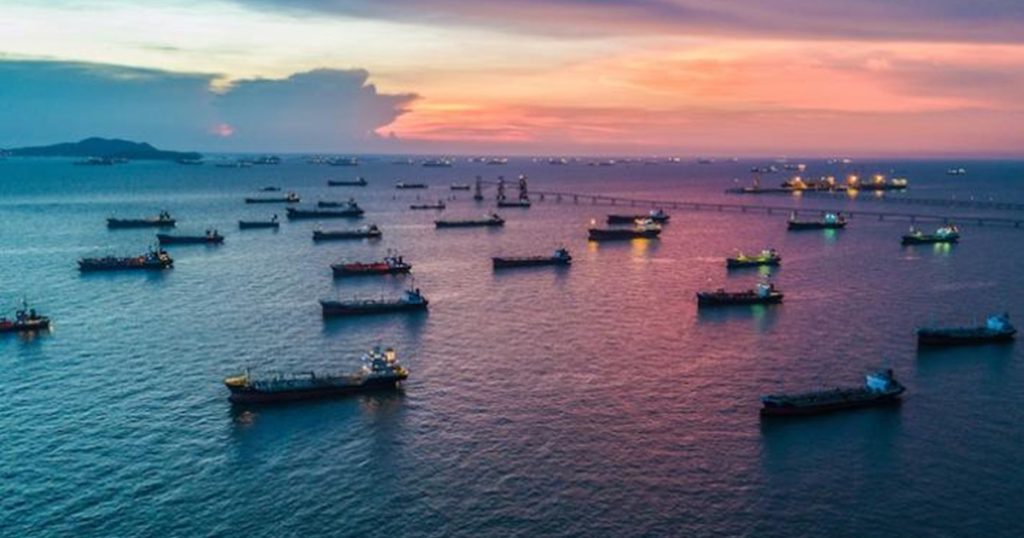
In particular, the maritime region encompassing South China, Indochina, Indonesia, and the Philippines has seen a 25% annual increase in losses, largely driven by activities in Vietnamese waters, prompting some to refer to this region as the “new Bermuda Triangle.” Weather conditions, such as Typhoon Damrey, have contributed to these incidents, alongside safety lapses on domestic routes.
The review indicates that cargo vessels, particularly bulk carriers, accounted for over half of the losses in 2017, with sinking being the primary cause of these losses. Looking forward, AGCS highlights several new risk factors facing the shipping sector, including the increasing size of container ships that pose challenges for fire containment and salvage, as well as climate change that affects the safety of routes in the Arctic and North Atlantic.
In conclusion, as the shipping industry navigates these challenges, it must strike a balance between leveraging technological advancements and addressing the accompanying risks, especially as new emissions regulations come into play and automation becomes more prevalent.