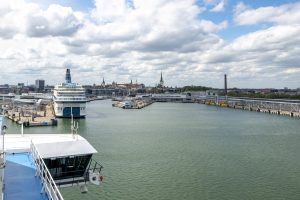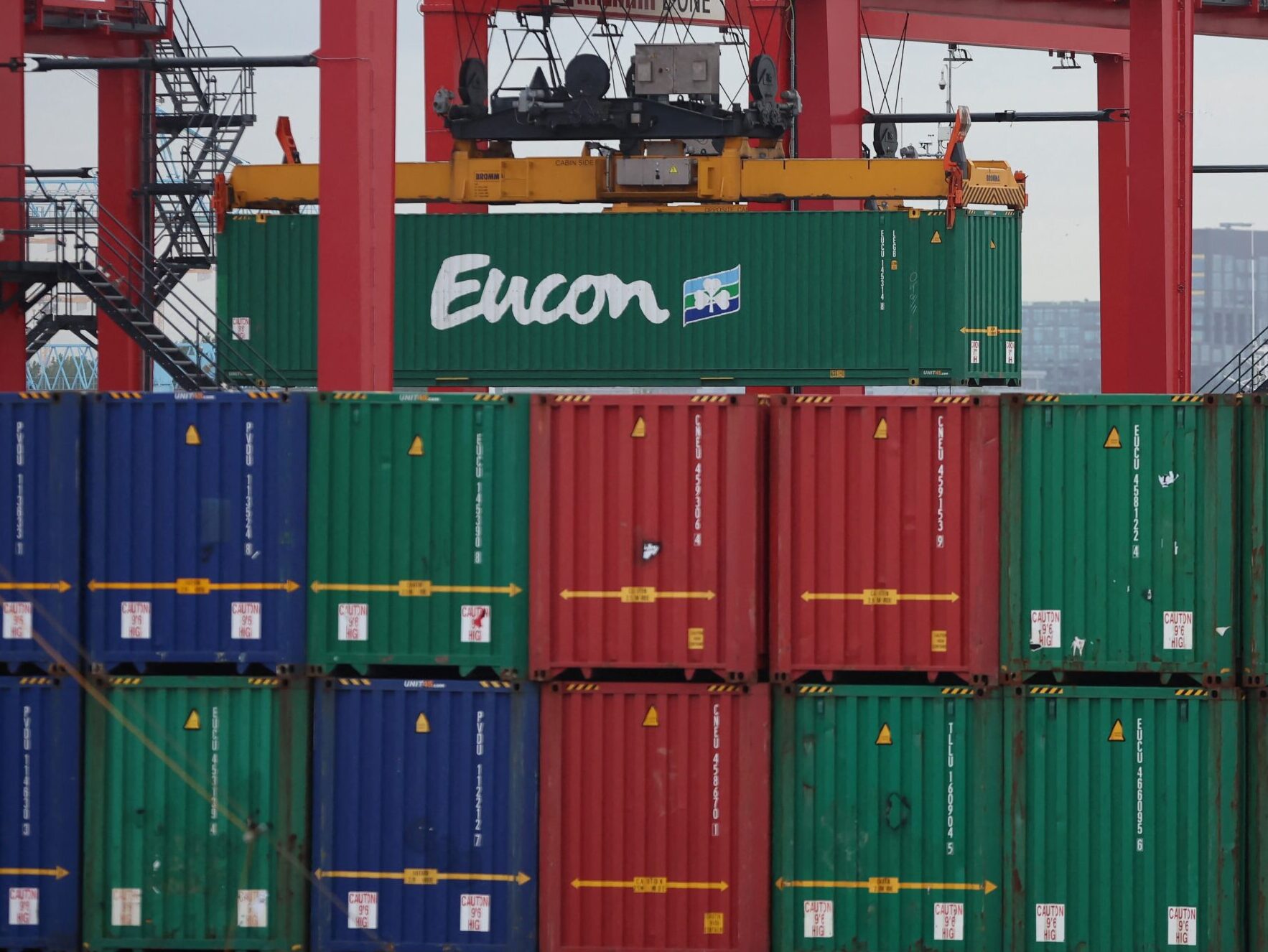

India’s port sector is a cornerstone of its economic infrastructure, underlining its significance in foreign trade and industrial growth. With a coastline of over 7,517 kilometers, India plays a key role in maritime activities, handling approximately 95% of trade volume and 70% in value. This sector supports regional development and is crucial for India’s overall economic framework.
Classification of Ports in India
Major Ports
India currently operates 12 major ports, with Vadhavan and Galathea proposed as the 13th and 14th ports. These ports are managed by the Ministry of Ports, Shipping, and Waterways (MoPSW) and function under the Major Port Authorities Act, 2021, which adopts the “Landlord Port Model.” In this model, the government retains ownership of the infrastructure while private enterprises manage terminal operations. Notable major ports include:
- Mumbai Port: The largest natural port in India.
- Kolkata Port (Shyama Prasad Mukherjee Port): The oldest major port and the only one situated along a river.
- Ennore Port (Kamarajar Port): The only corporatized port in India located in Tamil Nadu.
Minor Ports
India boasts over 200 minor ports, governed by state governments under the Indian Ports Act, 1908. These ports are regulated by State Maritime Boards and are often developed through Public-Private Partnerships (PPP).
Key Government Initiatives
- Sagarmala Programme (2015): This initiative aims to enhance logistic efficiency through port modernization, improved connectivity, and the development of port-led industrial clusters. The program identifies over 800 projects valued at ₹5.5 lakh crore.
- Maritime Amrit Kaal Vision 2047: This long-term strategy envisions transforming India into a global maritime powerhouse by 2047, aiming to quadruple port handling capacity and promote sustainable growth.
- National Logistics Portal (Marine): A digital platform connecting various stakeholders to promote efficiency and transparency in port operations.
- SAGAR-SETU App: This mobile application provides real-time updates on vessel movement and regulatory compliance, facilitating better business operations.
Performance and Global Standing
India ranks 22nd in the World Bank’s Logistics Performance Index (2023) for international shipments. The turnaround time for ships at Indian ports currently averages 0.9 days, outperforming many South Asian countries. The government encourages private sector participation in port infrastructure, emphasizing PPP models like BOT and BOO, with examples such as Mundra and Pipavav Ports.
Challenges
Despite its potential, the port sector faces challenges such as capacity constraints at older ports, inadequate last-mile connectivity, high logistics costs, regulatory overlaps, and a pressing need for digitization and a green energy transition.
Future Outlook
India aspires to become a global maritime hub by boosting capacity with new ports, advancing digitization and automation, and integrating inland waterways with the PM GatiShakti Master Plan. The goal is to promote clean energy in port operations and develop port-based SEZs.
Conclusion
India’s port sector is essential for economic growth and trade facilitation. With ongoing initiatives and a vision for modernization and sustainability, India is poised to solidify its position in the global maritime landscape.