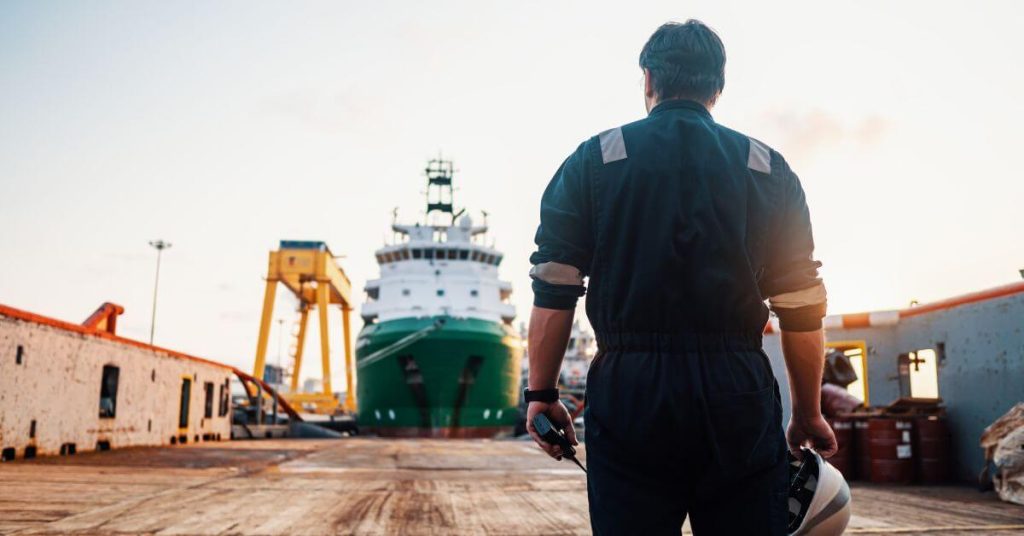
On September 23, 2024, President Ferdinand R. Marcos Jr. officiated the signing of the “Magna Carta of Filipino Seafarers,” a landmark legislation aimed at bolstering the rights and protections of Filipino seafarers, who make up a significant portion of the global maritime workforce. This new law addresses critical issues, including fair wages, safe working conditions, and enhanced skill development for seafarers, particularly those employed on international vessels.
The impetus behind the Magna Carta stems from the need to align Filipino training and certification protocols with international maritime standards, specifically the Standards for Training, Certification, and Watchkeeping (STCW). This alignment is crucial for maintaining the Philippines’ status as the world’s largest provider of seafarers and responding to increasing international scrutiny regarding training standards.
President Marcos emphasized that the law prioritizes fair compensation, worker safety, and ongoing professional development for seafarers. He stated that seafarers deserve equitable salaries reflective of their commitment and labor, and their working conditions must comply with safety regulations to prevent exploitation and hazards. The law not only seeks to protect current seafarers but also encourages career progression through training and certification support, enhancing their competitiveness in a global market that continuously evolves.
In collaboration with multiple government departments, including the Department of Foreign Affairs, Department of Labor and Employment, and Maritime Industry Authority (MARINA), the Magna Carta aims to streamline policies that collectively address the needs of Filipino seafarers. This integrated approach is designed to facilitate better enforcement of rights and protections while ensuring compliance with international maritime labor laws.
Despite the law’s extensive protective measures, it has faced criticism over certain provisions, particularly the requirement for seafarers to post a bond in cases of disability disputes with employers. Critics argue that this condition might delay the resolution of grievances, potentially leaving seafarers vulnerable during the appeals process.
Nonetheless, the Magna Carta is perceived as a timely response to ongoing challenges faced by Filipino seafarers, especially in the face of potential sanctions from the European Union regarding the acceptance of Filipino credentials. President Marcos reiterated the government’s commitment to safeguarding the interests of the seafaring community, asserting that the enactment of this law reflects a significant step forward in securing the welfare and rights of seafarers amidst evolving global maritime standards.
In summary, the Magna Carta of Filipino Seafarers represents a vital legislative move to protect and empower seafarers, ensuring they receive fair treatment, professional development, and safe working conditions, while also addressing international compliance and standards.
Source link