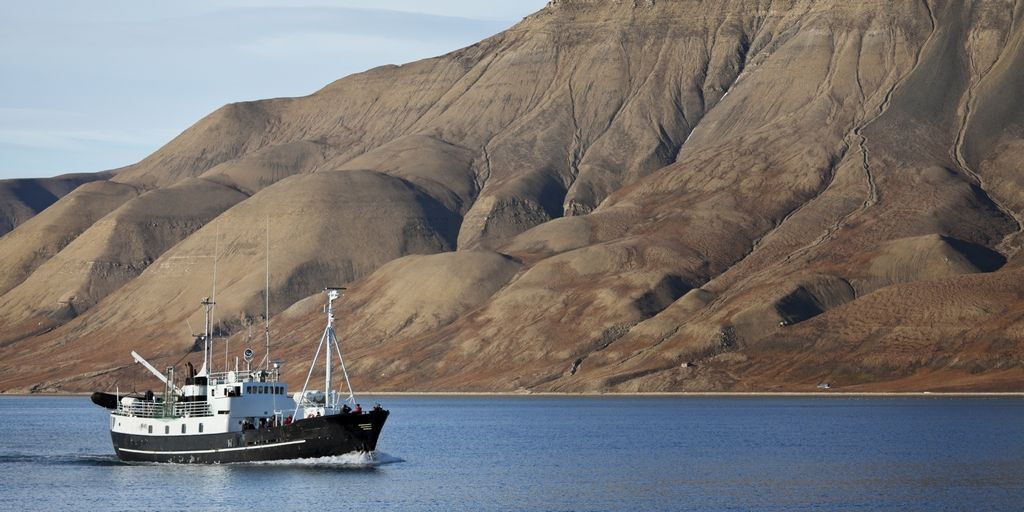
The International Maritime Organization (IMO) has held Observer status in the Arctic Council since 2019, allowing it to contribute significantly to Arctic governance through active participation in meetings, providing expertise to Working Groups, proposing projects, and offering financial contributions. Heike Deggim, Director of IMO’s Maritime Safety Division, elaborated on the organization’s focus in the Arctic and its engagement with the Council.
The pressing issues that attract IMO’s attention include ensuring the safety, security, and sustainability of shipping in the Arctic. IMO aims to mitigate risks related to search and rescue operations, pollution response, maritime safety, and environmental protection in this fragile region. The organization’s Polar Code establishes mandatory requirements for vessels operating in polar environments, enhancing safety standards beyond existing regulations. However, there is recognition that additional measures are needed, particularly for boats not covered by the Polar Code, such as fishing vessels and pleasure yachts. IMO has invited its Member States to voluntarily implement Polar Code safety measures across these vessels.
Broader maritime concerns also occupy IMO’s focus, including the enhancement of navigational charts, establishment of search and rescue facilities, improvements in satellite and radio communications, and the creation of port reception facilities for operational waste. A significant aspect of IMO’s mission is contributing to global efforts to reduce greenhouse gas emissions from shipping, aiming for at least a 50% reduction in emissions by 2050. This initiative is aligned with the Paris Agreement and supported by various practical projects aimed at fostering technology development and operational best practices, particularly in developing countries.
In the Arctic, Member States are intensifying efforts to address black carbon emissions from ships and are advocating for extending the current ban on heavy fuel oil from the Antarctic to Arctic waters. Furthermore, addressing marine litter and microplastics is a key initiative; IMO is collaborating with the United Nations Environment Program to combat sea-based sources of marine litter.
Following its accreditation, IMO has engaged with the Arctic Council through formal channels, building upon past informal collaborations on projects such as the “Guide on Oil Spill Response in Ice and Snow Conditions.” Current collaborations involve the Arctic Shipping Best Practice Information Forum, enhancing the effectiveness of the Polar Code. Upcoming meetings will continue to strengthen the communication between IMO Member States and the Arctic Council.
Furthermore, IMO is actively developing specifications for ships’ equipment in polar waters, focusing on guidelines for navigation and life-saving appliances for vessels not covered by the Polar Code. Recent sessions have led to the creation of guidelines targeting pleasure yachts and fishing vessels operating in these regions.
As Arctic routes like the Northern Sea Route and Northwest Passage become increasingly significant, IMO anticipates ongoing work to promote safe shipping practices compliant with international standards in the Arctic, addressing pressing environmental and safety concerns while enhancing cooperation with the Arctic Council.
Source link