The Indian Navy has recently faced a disturbing trend of accidents involving its warships, highlighting ongoing operational and safety challenges. One of the most recent incidents occurred on July 21, when the INS Brahmaputra, a Brahmaputra-class multi-role frigate, suffered a severe fire while undergoing refit at the Naval Dockyard in Mumbai. The fire, eventually controlled by the crew and firefighting teams, caused the ship to list significantly to one side. As the ship continued to tilt, an extensive search was initiated for one missing crew member, while others were accounted for.
This incident marks the second accident involving a ship from the Brahmaputra class; the INS Betwa tipped over during undocking in 2016, resulting in the tragic loss of two sailors. Investigations have been ordered to ascertain the cause of these accidents, as the condition of the INS Brahmaputra now suggests it may be unsalvageable. The ship has historically played key roles, such as during Operation Sukoon in 2006, where it helped evacuate Indian nationals during the Israel-Hezbollah conflict.
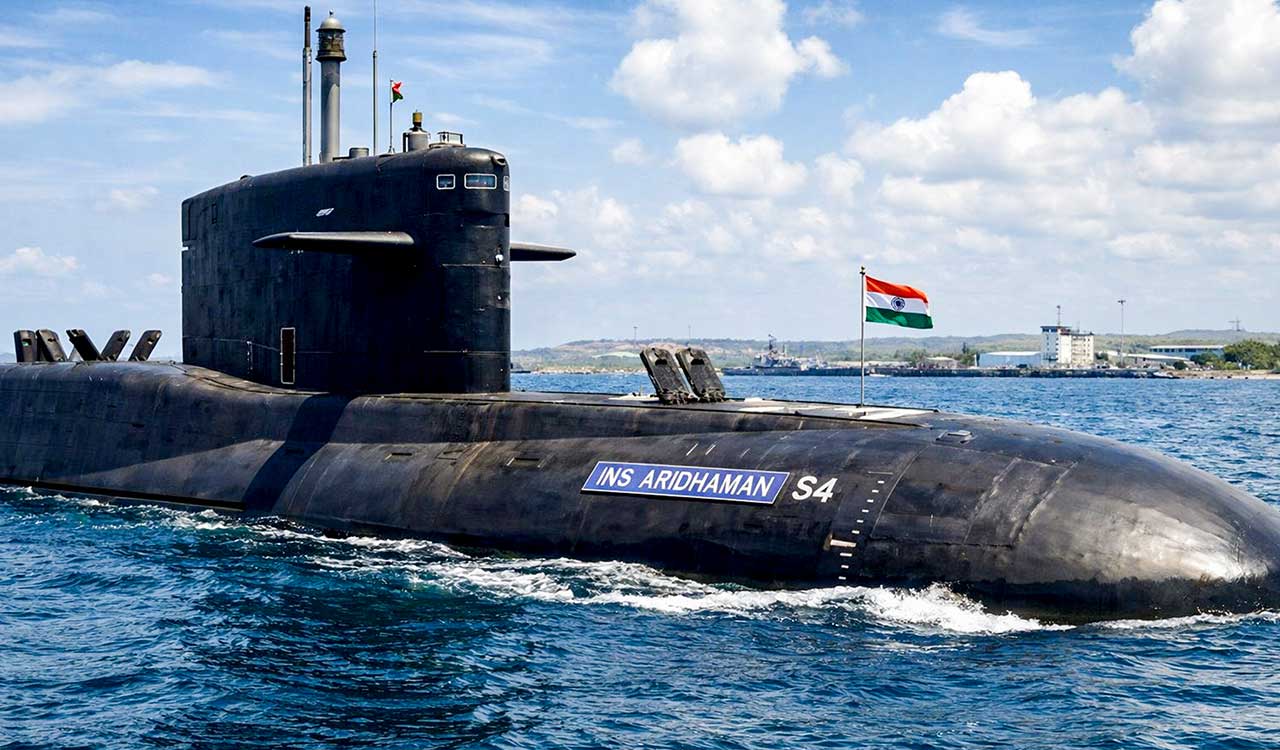
The Indian Navy’s record of accidents reflects deeper issues. For instance, the INS Betwa had previously faced multiple incidents, including a high-profile grounding in 2014, leading to court-martial proceedings for senior officials due to alleged negligence. Other incidents include the sinking of the INS Vindhyagiri in 2011 after a collision and a fire on the aircraft carrier INS Viraat in 2013. Operational mishaps have also plagued the nuclear submarine fleet, including a significant incident with the INS Arihant in 2017, which was rendered inoperable due to water flooding in its propulsion area.
The frequency of these accidents has raised concerns about safety protocols and operational readiness within the Navy. In 2014, Admiral DK Joshi resigned following a string of accidents, holding himself accountable for the series of incidents that occurred under his command, including the tragic sinking of the INS Sindhurakshak, which saw the loss of 18 crew members.
In recent years, the Indian Navy’s operational demands have increased, with an enhanced focus on securing maritime interests in the Indian Ocean Region. However, delays in acquiring new vessels and maintaining an aging fleet are compounding these challenges, suggesting a misalignment between strategic goals and operational capabilities. As the Navy continues to bolster its role in international maritime security, the urgency for improved safety measures and rigorous investigative responses to accidents has never been more critical.
This confluence of operational pressure and a spate of accidents underscores the need for a thorough review of safety protocols and readiness within the Indian Navy, ensuring its capacity to effectively serve as a reliable maritime force.