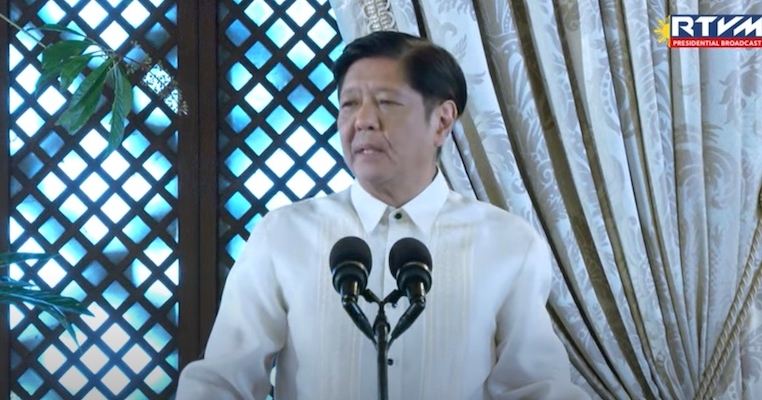
The Philippines recently faced a significant legislative development when President Ferdinand Marcos Jr. opted not to sign the Magna Carta of Filipino Seafarers into law, a decision that seemed abrupt given that he had previously certified the bill as urgent. During an event where two other bills were signed, the Magna Carta was conspicuously excluded. Reports indicate that the bill remains under review by the Presidential Communications Office. Shortly after President Marcos’s decision, the House of Representatives adopted House Concurrent Resolution No. 23 to withdraw the bills from the Office of the President.
The primary controversy surrounding the Magna Carta involves the proposed transfer of jurisdiction over disputes from the Department of Labor and Employment (DOLE) in the Philippines to the International Labour Organization (ILO). Rep. Rufus Rodriguez noted that this jurisdictional shift raised concerns. The bill aimed to amend flaws in the domestic laws governing the training and accreditation of Filipino seafarers, thereby assuring compliance with international standards and conventions.
Seafarers make up a significant portion of the Filipino workforce, with the country being the largest supplier of maritime labor globally. The importance of the Magna Carta lies in its intention to enhance training standards, a commitment that the Philippines made to the European Maritime Safety Agency (EMSA) to avoid losing recognition of Filipino seafarer certificates. The European Commission had previously warned that consistent deficiencies in training could lead to a ban affecting 50,000 Filipino maritime officers.
However, the response from the local maritime training sector has been unfavorable. The Philippine Association of Maritime Institutions has labeled the Magna Carta as detrimental, describing it as a “death sentence” for Philippine Maritime Education and Training. Their opposition particularly focuses on Chapter AVII, which addresses shipboard training for cadets. Concerns have also been raised by the Philippine Coastwise Shipping Association, which argued in an open letter that the Magna Carta could impose excessive burdens on the domestic shipping sector, jeopardizing the industry’s viability.
Given the complexity of the situation, including the need for compliance with international maritime standards and the potential risks to domestic maritime education and the training infrastructure, the decision to withdraw the bill raises critical questions about the future of Filipino seafarers. The evolving landscape of international maritime regulations, together with the domestic challenges in training and certification, underscores the delicate balance the government must maintain to support the livelihoods of seafarers while ensuring adherence to global standards.
Ultimately, as the Philippines navigates through these legislative and educational challenges, the repercussions of the President’s decision not to enact the Magna Carta could be far-reaching for the country’s reputation in the global maritime industry, impacting not only seafarers but also the broader economy that relies on maritime activities.
Source link