The shipping industry is undergoing significant transformation, particularly due to stringent environmental regulations and the rise of digitalization. Amid these changes, the welfare of seafarers has often been neglected. However, increasing recognition of the need for a professional approach to maritime welfare is beginning to shift this trend, even though there is still a long way to go. While some ship owners and operators maintain commendable standards of welfare for their crew, many others fall short, revealing a need for uniformity in welfare practices across the sector.
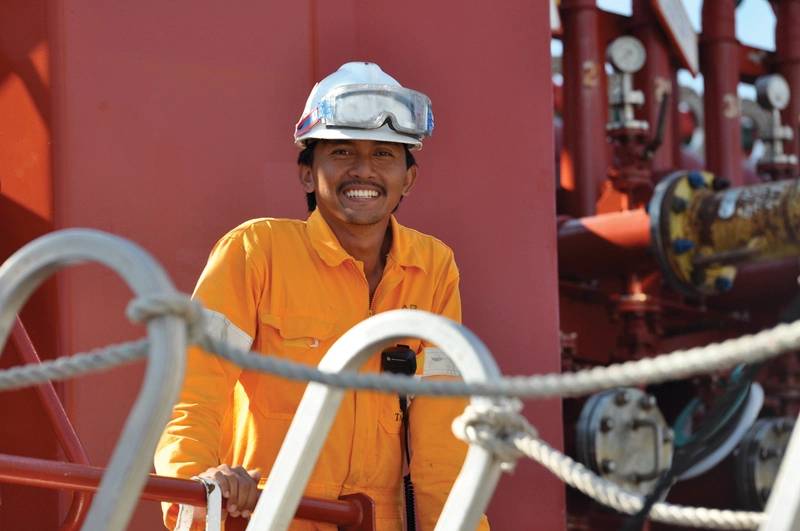
Seafaring remains an arduous profession demanding both physical and mental resilience in a hazardous environment. The International Maritime Organization (IMO) emphasized this year the importance of prioritizing seafarers’ wellbeing, especially their mental health. The challenging conditions aboard ships—characterized by strict security protocols, extensive inspections, and limited opportunities for shore leave—have heightened awareness of the mental and physical stresses faced by these workers.
One significant issue affecting seafarers is fatigue, which results from increased workloads, reduced support, and longer hours without sufficient downtime. Such fatigue can lead seafarers to make dangerous mistakes due to loss of concentration or the pressure to complete tasks hastily. It is crucial that the industry addresses not only the physical but also the mental health of seafarers, ensuring they have adequate support systems, access to healthy meals, and the resources for coping with stress.
Seafarers operate within a complicated legal landscape where the protections enjoyed by shore-based workers are often unavailable to them, underscoring the urgency of addressing their welfare in a comprehensive manner. This requires collaboration among various stakeholders, including ship owners, managers, port authorities, and maritime welfare service providers, all of whom significantly influence the working conditions of seafarers.
Recognizing the multifaceted nature of maritime welfare—which encompasses legal frameworks, occupational health issues, and evolving safety threats—the industry has seen a lack of comprehensive training that addresses all these elements. Recently, however, the MARI-WEL program was launched by the ITF Seafarers’ Trust and the World Maritime University (WMU). This professional development initiative is aimed specifically at improving seafarer welfare, offering a first-of-its-kind distance learning course that covers various relevant topics, from IMO regulations to social intervention ethics, supported by experts in the field.
As the program seeks to set a high standard for maritime welfare training, it underscores the responsibility of all employers with seafarer-facing personnel to equip their staff with the necessary knowledge and skills. In light of industry pressures like environmental regulations and digitalization, the human aspect of shipping must remain at the forefront. Continued demand for accountability in seafarer welfare and the promotion of best practices are essential for establishing a professional standard across the industry.
The MARI-WEL program opened for enrollment on August 1, aiming to achieve widespread participation in this vital initiative. As the discussion around maritime training continues, the potential for enhanced seafarer welfare through such comprehensive programs marks a promising step forward.
Source link