The maritime industry serves as a crucial component of the global economy, responsible for transporting approximately 90% of worldwide trade. Central to this sector are around 1.9 million seafarers whose labor sustains the supply chain. The COVID-19 pandemic spotlighted their significance; despite global lockdowns, seafarers continued to work under challenging conditions, highlighting the threats to their health and well-being.
Seafaring is depicted as a high-risk profession with various physical and mental health threats. Factors contributing to this include hazardous working environments, long hours, and social isolation, which can lead to fatigue, anxiety, and high suicide rates within this demographic. The employment and conditions of seafarers are shaped by both labor structures and economic pressures, necessitating protective measures for their health and welfare.
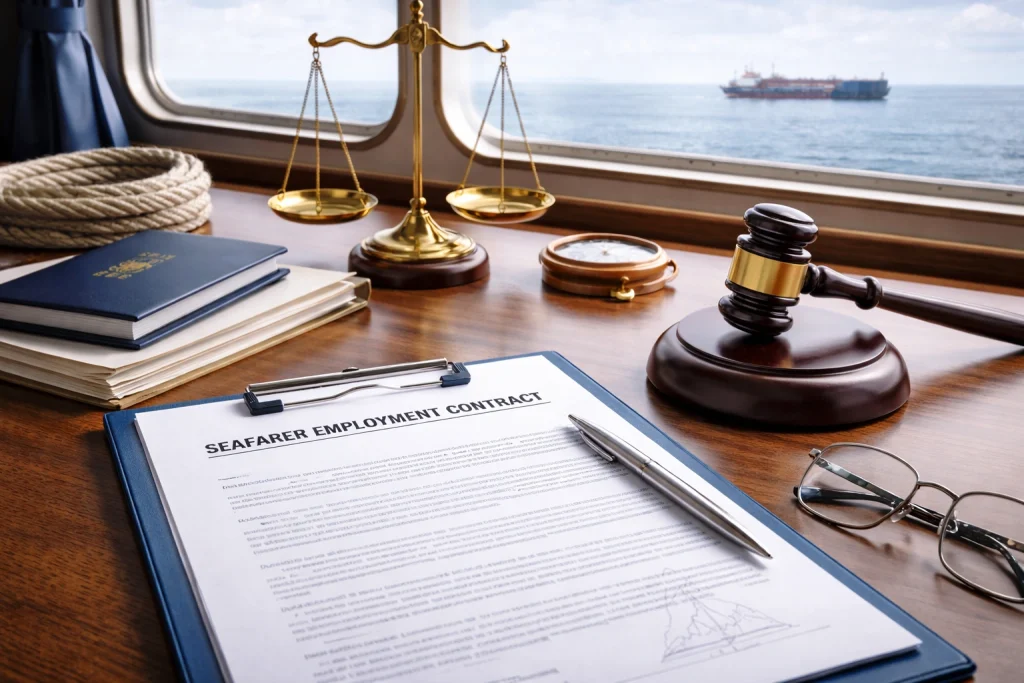
The Philippines plays a pivotal role as a labor provider, implementing the Philippine Overseas Employment Administration-Standard Employment Contract (POEA-SEC) to regulate the employment conditions of Filipino seafarers. This governmental contract exemplifies the shift towards contractualization in labor, which has significant implications for the workers’ rights and welfare. The article discusses the impact of two key policies: the reclassification of Filipino seafarers as contractual employees, which limits their access to essential employment benefits, and the Seafarer Protection Act, which unintentionally discourages legitimate claims for compensation.
A multi-method approach was adopted in the analysis, including policy examination and qualitative data collection through interviews and focus groups. The findings underscore the inadequacies of the POEA-SEC, particularly with regard to the duration of employment, monetary considerations, and working conditions, which reveal several gaps in protecting seafarers’ well-being. Seafarers often experience contractual extensions without adequate rest periods, leading to health complications exacerbated by demanding workloads fueled by commercial pressures.
Despite international conventions like the Maritime Labour Convention (MLC) and the International Safety Management Code designed to safeguard seafarers’ rights, enforcement remains variable, with many regulations failing to address workplace realities. The POEA-SEC, while documented as a formal contract, primarily serves as an economic instrument to capture financial remittances, often overshadowing workers’ rights.
The Philippine government has adopted a strategy favoring the interests of employers and the state over those of seafarers, creating a paradox where labor is rendered contingent, undermining established labor protections. This analysis stresses that the structure of seafaring employment and the legislation surrounding it do not sufficiently address prevalent issues of fatigue, health, and safety. In conclusion, the paper advocates for enhanced regulation and enforcement to better the working conditions and lives of Filipino seafarers, emphasizing the urgency of prioritizing their welfare amid the increasing demands of a globalized maritime industry.