The European Commission has decided to continue recognizing seafarer certificates issued by the Philippines, despite ongoing concerns regarding the quality of training provided by the country’s private maritime schools. This decision follows a collaborative effort between the Philippine government and various shipping organizations to address issues identified by the European Maritime Safety Agency (EMSA). The EU has promised further technical assistance to enhance training and certification standards for Filipino seafarers.
The issue gained significant attention after EMSA’s report last year highlighted deficiencies in the Philippines’ maritime training and certification, which dated back to concerns initially raised in 2006. This report indicated that Philippine maritime education institutions were not complying with the International Convention on Standards of Training, Certification and Watchkeeping for Seafarers (STCW) guidelines. The European Commission warned that without significant improvements, the recognition of Filipino seafarer certificates would be withdrawn, affecting new employment contracts for Filipino seafarers on EU-flagged vessels.
In response to these concerns, Philippine President Ferdinand Marcos Jr. personally engaged with EU officials to reaffirm the country’s commitment to resolving the issues. His discussions with President Ursula von der Leyen at the EU-ASEAN summit in December 2022 further strengthened the Philippines’ position. Commissioner for Transport Adina Vălean praised the Philippine authorities for their ongoing cooperation and welcomed their dedication to enhancing seafarer training systems.
Filipino seafarers are critical to the global maritime workforce, accounting for approximately 14% of it, with around 50,000 Filipino officers working on EU-flagged ships. The recognition of Philippine certificates comes at a time of acute seafarer shortages exacerbated by geopolitical tensions, including the war in Ukraine, which has impacted the supply of Ukrainian and Russian seafarers.
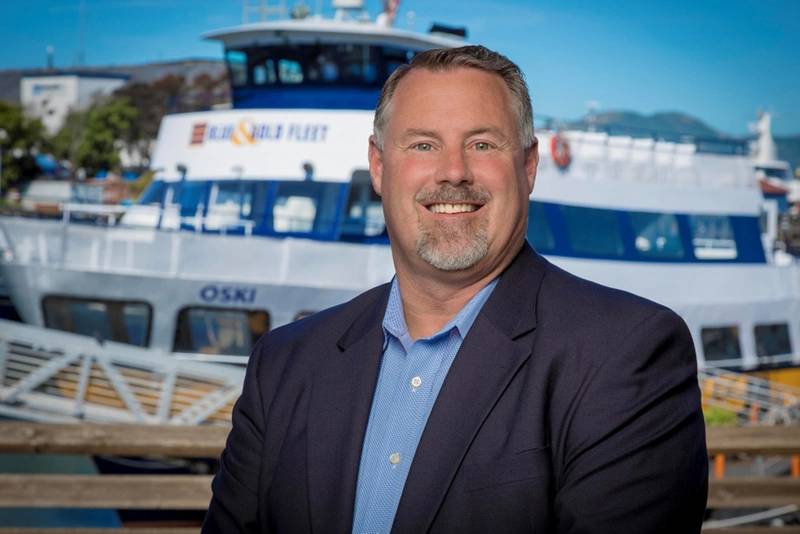
European shipowners, represented by the European Community Shipowners’ Association (ECSA) and the International Chamber of Shipping (ICS), expressed support for the Philippines, recognizing its efforts to improve training and certification standards. ECSA Secretary General Sotiris Raptis highlighted the importance of Filipino seafarers in maintaining European trade and emphasized the positive implications of this decision.
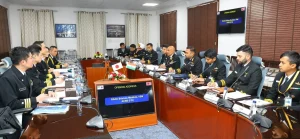
In January 2023, the Philippine government established an advisory committee to tackle key maritime issues affecting seafarers. This committee consists of experts from various organizations, including ECSA, ICS, and others, and aims to ensure that training and certification standards are upheld. ICS Secretary General Guy Platten noted that collaboration among stakeholders is essential for addressing workforce challenges and ensuring compliance with global seafarer training standards.
This decision by the European Commission underscores the commitment of the Philippines to enhancing its maritime education systems and highlights the vital role of Filipino seafarers in the global shipping industry. The collaborative efforts between the Philippine government and international maritime organizations reflect a shared goal to sustain and elevate training standards, securing a brighter future for seafarers in the industry.