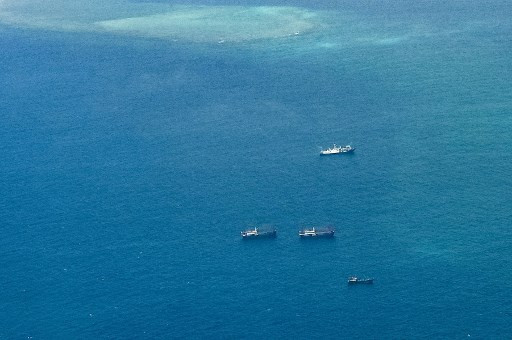

The editorial pivots around India’s ambitious target of becoming a $30-trillion economy by 2047, emphasizing the critical role of its maritime sector, which is poised to drive this goal through enhancements in infrastructure, strategic security, and sustainability. India’s maritime domain is vital, as it currently facilitates approximately 95% of trade by volume and 70% by value via maritime routes. Thus, ports and shipping are construed as vital engines for economic growth, with substantial potential for long-term, inclusive development.
Current Developments
- Port Capacity and Efficiency: India’s port capacity has witnessed remarkable growth, nearly doubling from about 1,400 MMTPA to approximately 2,762 MMTPA. Port operational efficiencies have also improved significantly, exemplified by a dramatic reduction in vessel turnaround time.
- Legislative Reforms: Recent key legislation, including the Merchant Shipping Act and the Indian Ports Act, aims to modernize outdated laws and align Indian maritime regulations with international standards, enhancing governance, safety, and business ease.
- Investment Initiatives: Under the Maritime Amrit Kaal Vision 2047, the government plans to invest around ₹80 lakh crore (~$1 trillion) over the next 25 years to foster next-gen ports, shipbuilding, and sustainable corridors, with an eye toward increasing India’s share of global seaborne trade.
- Coastal Shipping and Inland Waterways: The new Coastal Shipping Act recognizes coastal shipping as an essential transportation mode, while the inland waterways have seen remarkable growth in cargo movement, showcasing their potential as a cost-effective transport medium.
- Domestic Shipbuilding: Initiatives to bolster shipbuilding capacity aim to position India among the top ten global shipbuilding nations by 2030, with significant financial support earmarked for domestic shipbuilding and repair infrastructure.
- Maritime Human Resources: With an increasing number of trained professionals, India aims to fulfill its roles as a top global supplier of maritime workforce while promoting cybersecurity measures within the maritime sector.
- Sustainability and Green Shipping: India is investing in sustainable practices, exemplified by the Green Tug Transition Programme and collaborations on green shipping corridors with international partners, aligning its maritime activity with climate commitments.
- Enhanced Security Measures: India’s maritime security architecture has improved, with enhanced surveillance, naval presence, and the establishment of the Information Fusion Centre to ensure safe sea lanes.
Challenges
Despite these advancements, India’s maritime sector grapples with several issues:
- Infrastructure Gaps: Capacity constraints at ports limit India’s handling of global trade, necessitating urgent infrastructure upgrades.
- High Logistics Costs: Last-mile connectivity issues persist, leading to elevated logistics costs and inefficiencies compared to global benchmarks.
- Ageing Fleet: India’s share of the global merchant fleet remains low, affecting competitiveness and incurring heavy freight costs which strain the economy.
- Environmental Sustainability: Climate risks, including coastal erosion and pollution, pose significant challenges, despite initiatives like the Green Tug Programme.
Recommendations for Reforms
To strengthen the maritime sector, key reforms are essential:
- Upgrade Port Infrastructure: Accelerating development of ports and cargo systems is critical for handling larger vessels.
- Multimodal Connectivity: Seamless integration among transport modes must be prioritized to reduce costs.
- Expand Merchant Fleet: Incentivizing domestic shipbuilding is essential for reducing reliance on foreign vessels.
- Promote Green Practices: Advancing the transition to low-emission vessels and electrification of ports is vital for sustainability.
- Strengthen Maritime Skills: Investment in education and skill development will enhance the sector’s global competitiveness.
- Enhance Governance: Streamlining regulations and improving project execution will boost investor confidence.
- Regional Cooperation: Leveraging international partnerships can enhance maritime security and ensure resilience against geopolitical pressures.
Conclusion
In summary, India’s maritime sector is integral to achieving its economic vision for 2047, emphasizing the importance of modern ports, efficient logistics, and enhanced maritime security. Strategic investments in the sector will not only bolster economic growth but also align with sustainable development goals, positioning India as a competitive global maritime power. The transformation of this sector could catalyze India’s ambition for a robust economic future.