
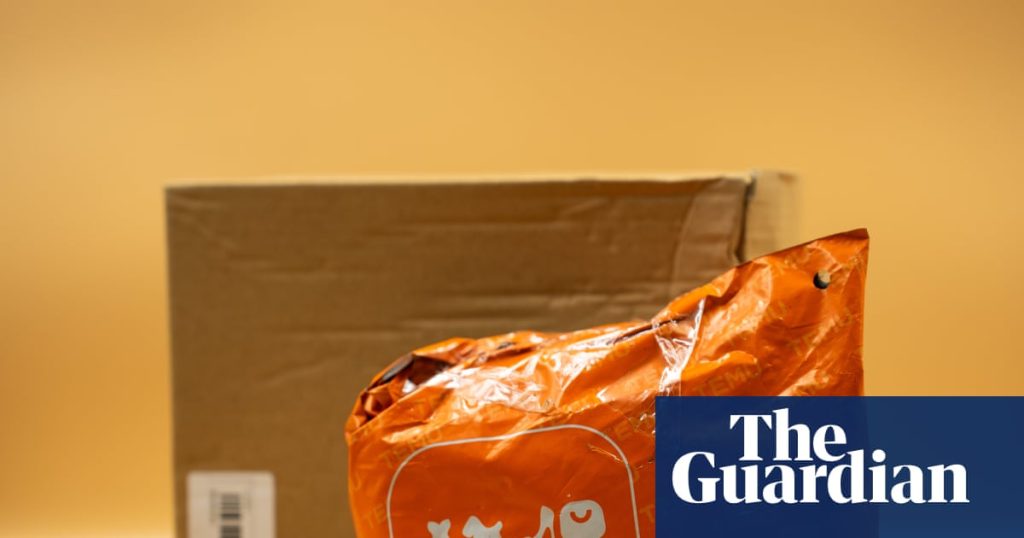
The recent end of the de minimis tariff exemption has sent shockwaves through global shipping, particularly impacting small businesses and postal services. Previously, this exemption allowed packages valued at under $800 to enter the U.S. tariff-free, facilitating smoother transactions for smaller e-commerce brands, especially those from countries like China.
Overview of De Minimis Exemption
The de minimis exemption originated from the Tariff Act of 1930, and in the fiscal year 2024, it accounted for approximately 1.36 billion shipments, valued at $64.6 billion. Major U.S. retailers such as Target and Walmart are largely unaffected by this change because they deal in bulk shipments that exceed the $800 threshold. Instead, the exemption primarily benefited direct-to-consumer businesses, often smaller entities that relied heavily on online platforms.
Impact on Retail Prices
With the exemption abolished, retailers now face the dilemma of how to adjust prices due to incoming tariffs. While brands like Shein and Temu are expected to remain cheaper than traditional competitors, consumers will likely feel the impact of increased prices and possibly a reduction in product variety. A senior economist pointed out that these companies will need to adopt more complex logistics akin to traditional retailers, which could complicate operations and lead to higher costs.
Government Rationale for Ending the Exemption
The White House posited that the de minimis exemption constituted a loophole that undermined American manufacturing and posed national security risks, as it purportedly facilitated illegal imports. A growing volume of shipments during the pandemic prompted bipartisan scrutiny, ultimately leading to new rules proposed by the Biden administration aimed at curbing such shipments.
Operational Challenges for Postal Services
The increase in regulations has created significant logistical challenges, especially for foreign postal services that now must halt shipments of small packages. According to experts, the operational demands of tracking these myriad shipments can be overwhelming, leading to a logistical “nightmare.”
Effect on Different Consumer Demographics
Notably, the end of the exemption is predicted to hit lower-income Americans the hardest, as they often rely on cheaper goods that previously came via the de minimis channel. The termination could thus be viewed as a regressive tax increase, disproportionately affecting those who can least afford it.
Global and Small Business Implications
While larger e-commerce giants are expected to absorb costs and endure, smaller businesses, particularly those using platforms like Etsy and TikTok Shop to reach U.S. consumers, may find it more difficult. These businesses are already notifying customers about changes, including potential price hikes or suspensions of shipments to the U.S. For example, South Korean retailer Olive Young announced a 15% customs duty on all products, revealing the newly imposed financial burdens.
In summary, the closure of the de minimis exemption signals a significant shift in U.S. trade policy with widespread ramifications. While the move aims to protect domestic manufacturers and address security concerns, the adverse effects on small businesses, e-commerce dynamics, and lower-income consumers are noteworthy and warrant ongoing observation.