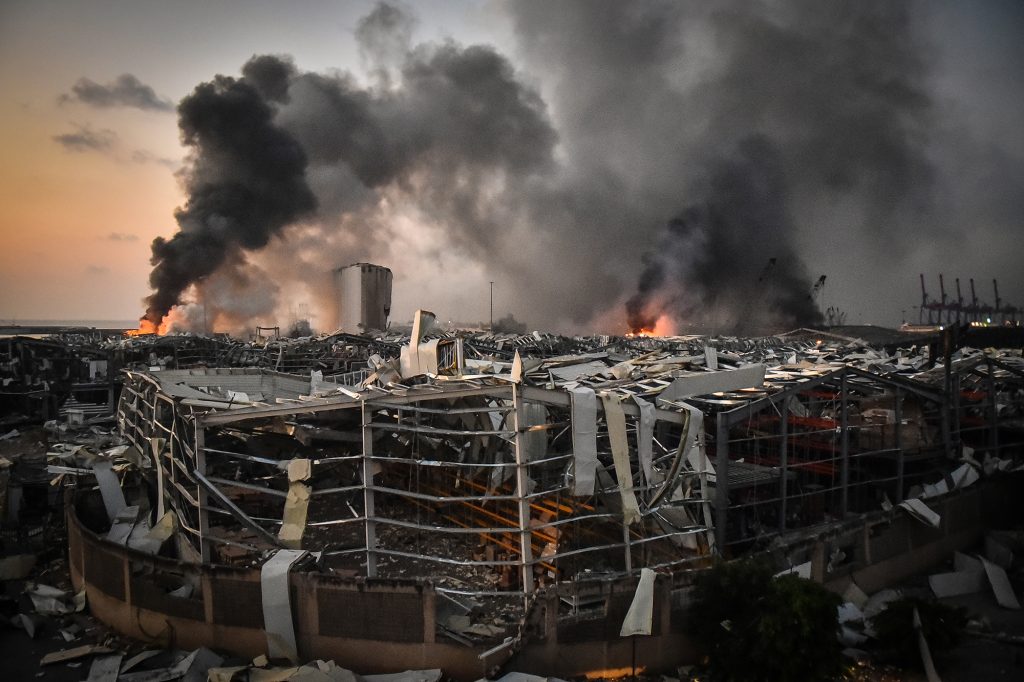
On the third anniversary of the catastrophic Beirut explosion, which killed over 200 people and devastated the city, Lebanese authorities have yet to take meaningful measures to mitigate risks associated with substandard vessels like the one involved in the disaster. The cargo ship Rhosus, flagged under Moldova, entered Beirut in 2013 carrying 2,750 tons of ammonium nitrate, despite its severe deficiencies. Not only was it previously inspected with numerous issues in 2013, but it was ultimately abandoned in Beirut, where its dangerous cargo sat improperly stored for seven years before detonating.
Despite the tragedy, ships with dangerous deficiencies continue to operate in Lebanese ports, largely due to the country’s lack of effective maritime regulations and ongoing political interference in the investigations surrounding the blast. The concept of “deficiency” in shipping refers to any failure to comply with international safety standards, particularly outlined in treaties such as the International Convention for the Safety of Life at Sea (SOLAS).
Recent inspections reveal that vessels displaying serious deficiencies, including serious structural and safety issues, persist in docking at Lebanese ports. This lack of enforcement is compounded by Lebanon’s political climate, where corruption and political connections can hinder accountability and safety measures. Reports indicate that since the Beirut explosion, ships with major deficiencies have continued to enter and depart Lebanese ports virtually unchecked.
Among the numerous problematic vessels, the Togo-flagged Safi and Nuray are particularly concerning. Both ships have extensive records of deficiencies but remained free to operate within Lebanese waters. For instance, Safi was discovered with multiple maintenance issues, posing risks of flooding, corrosion, and violations of the International Safety Management (ISM) code. Similarly, Nuray faced significant deficiencies during audits yet remained unaddressed in Lebanon despite issues noted in other countries.
The broader implications of this persistence in allowing substandard vessels to operate are alarming, not only for maritime safety but also with regard to illegal activities such as smuggling and human trafficking. The Togo flag, under which some of these vessels operate, has been blacklisted due to its poor safety record.
To improve maritime safety and regulatory compliance, there is an urgent need for Lebanon to reform its maritime sector by updating laws, establishing maritime safety protocols, and fostering international partnerships for support. However, these efforts require a stable political environment, which has been lacking in the country amidst ongoing rivalries and a prolonged presidential vacuum.
External stakeholders, including the United States and other Western nations, must also play a role in facilitating these reforms, advocating for a collaborative political resolution in Lebanon, and aiding in the establishment of regulatory frameworks. Without immediate action and political consensus, the legacy of the Beirut explosion—and the risk posed by substandard vessels—will likely continue to threaten lives and stability in the region.
Source link