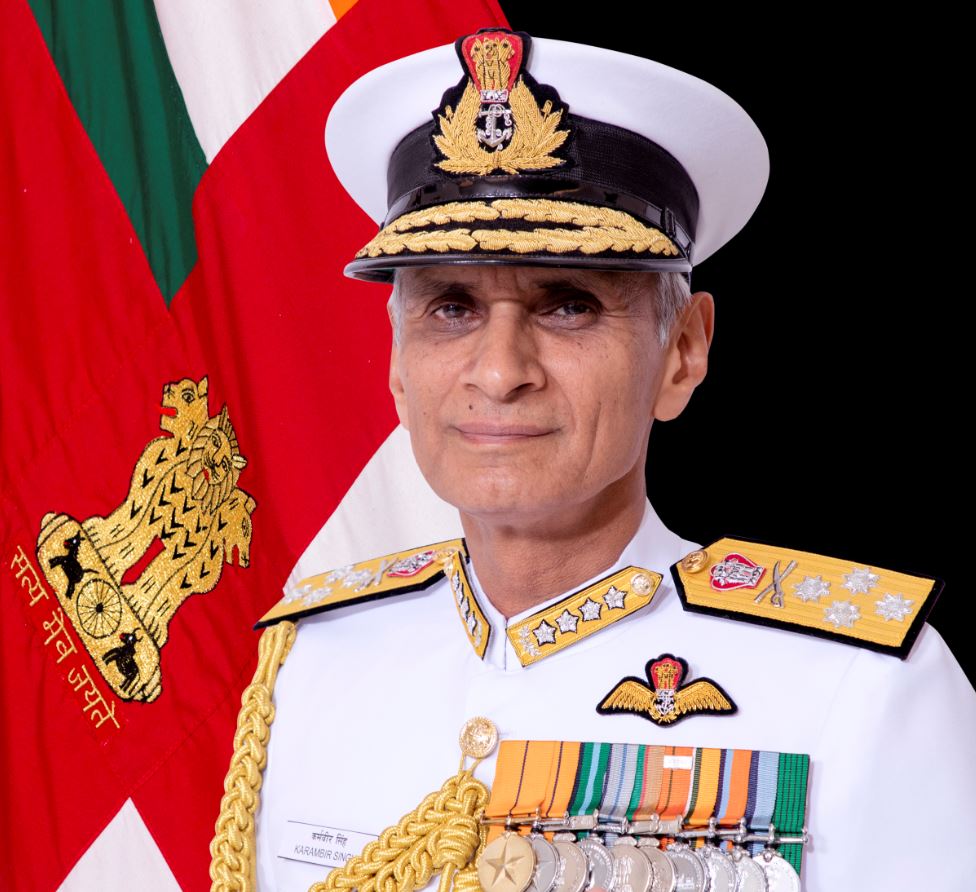
In an interview with Admiral Karambir Singh, the Chief of the Indian Navy, he emphasizes the significance of the Indian Ocean Naval Symposium (IONS) in fostering regional maritime security through collective engagement among nations. IONS provides a platform for navies to collaboratively tackle transnational threats such as piracy and climate change, and promotes a cooperative approach to enhance maritime security. With 24 member nations and various observer states, IONS exemplifies the concept of ‘Collective Maritime Competence,’ enabling member states to share unique capabilities for mutual benefit.
The Indian Ocean holds deep historical importance for India, serving as a crucial trade route and a source of livelihood since ancient times. In the modern context, 90% of India’s trade by volume transits these waters, highlighting the ocean’s critical role in India’s economic prosperity. On the security front, incidents like the 2008 Mumbai terror attacks underscore the vulnerabilities associated with maritime security. Thus, India’s strategy revolves around safeguarding its Sea Lines of Communication, ensuring energy security, and protecting marine resources through initiatives like the Indo-Pacific Oceans Initiative (IPOI).
The Indian Navy has adapted its operational strategies to respond to the evolving maritime landscape, employing Mission Based Deployments since 2017. This strategy entails maintaining a persistent and visible presence in the Indian Ocean to facilitate rapid responses to crises, engage in capacity-building, and carry out humanitarian assistance. The Navy’s roles include monitoring maritime environments, deterring piracy and illegal fishing, and conducting exercises with other navies to enhance interoperability.
Cooperation with regional navies is fundamental to addressing both traditional and non-traditional threats in the Indian Ocean. The Indian Navy actively engages in coordinated patrols and training exercises, reflecting India’s commitment to a ‘Neighbourhood First’ policy. The ongoing collaborations with various countries are essential for enhancing collective maritime security.
A noteworthy aspect of the Indian Navy’s international relations is its partnership with the French Navy, formalized through a strategic partnership initiated in 1998. This relationship has been reinforced through joint exercises and operational engagements, with the VARUNA exercises serving as a cornerstone for cooperation. The Indian Navy aims to deepen this relationship, focusing on joint responsibilities for regional maritime security.
In conclusion, the Indian Navy aspires to be the “Preferred Security Partner” in the Indian Ocean region, highlighting its commitment to security and growth. By fostering a culture of collaboration among maritime nations and participating in multifaceted cooperative initiatives, the Indian Navy seeks to address the challenges faced in this important maritime domain.
Source link