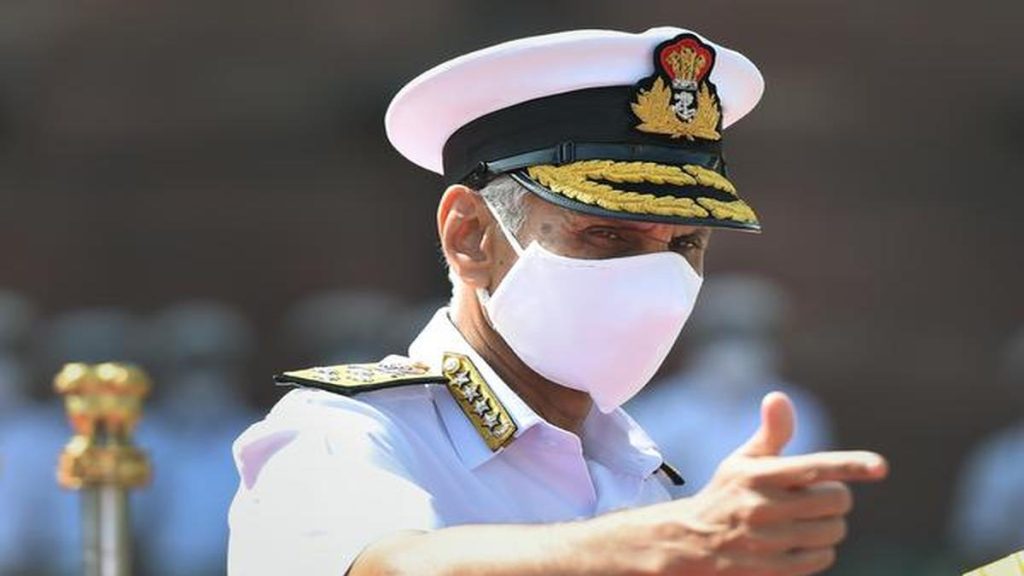
In a recent interview with The Hindu, Admiral Karambir Singh, Chief of the Naval Staff of India, highlighted the ongoing monitoring of Chinese naval activities in the Indian Ocean Region (IOR) and discussed several pivotal issues affecting maritime security. This conversation took place during the Goa Maritime Conclave (GMC), an event that brings together naval chiefs from 12 Indian Ocean nations to address collective challenges.
Admiral Singh emphasized the importance of cooperation among IOR nations to tackle non-traditional threats such as narco-terrorism and the trafficking of weapons. The 2021 GMC focuses on “Maritime Security and Emerging Non-Traditional Threats,” highlighting areas for collaboration in information sharing, training, and crisis management. The results of previous conclaves have contributed to initiatives like the Information Fusion Centre for Indian Ocean Region (IFC-IOR), enhancing regional maritime security through increased participation and cooperation from neighboring countries.
The Indo-Pacific security landscape was also addressed, with Admiral Singh noting the need for open seas to ensure the free flow of commerce and ideas. He outlined India’s Indo-Pacific Oceans Initiative (IPOI), which encompasses seven operational pillars aimed at regional prosperity.
The discussion also covered Mission-Based Deployments (MBD) initiated in 2017, which have proven valuable in responding to maritime challenges and humanitarian needs. The Admiral explained that these deployments enhance the Navy’s operational readiness and credibility as a security partner, enabling swift action during crises, like natural disasters.
On the topic of capacity-building with neighboring nations, India has actively engaged in joint development and production of maritime assets, particularly through agreements such as the Memorandum of Understanding between the Garden Reach Shipbuilders & Engineers and Khulna Shipyard in Bangladesh.
Admiral Singh expressed concern about the rising influence of the Chinese Navy, particularly their rapid shipbuilding and establishment of bases, such as in Djibouti. In response, India is prioritizing its Maritime Capability Perspective Plan (MCPP) to enhance its own naval modernization while balancing budget constraints. This includes a focus on unmanned systems, networking technologies, and indigenous production capabilities.
The discourse revealed a proactive stance towards joint exercises like Malabar, which fosters interoperability among participating navies, and the Quad framework, which addresses broader regional challenges. Admiral Singh confirmed the intent to expand participation in these exercises, recognizing growing international interest.
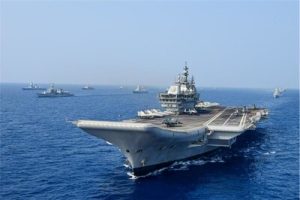
The Admiral’s reference to India’s second Indigenous Aircraft Carrier (IAC-II) underlines the evolving focus on advanced naval technology, with current discussions considering various configurations to maximize efficacy. Additionally, infrastructure development in the strategically significant Andaman and Nicobar Islands has been prioritized to enhance operational capabilities.
Ultimately, Admiral Singh’s insights reflect a comprehensive approach to maritime security, emphasizing the need for collaboration, modernization, and proactive engagement to maintain stability in the rapidly evolving IOR.