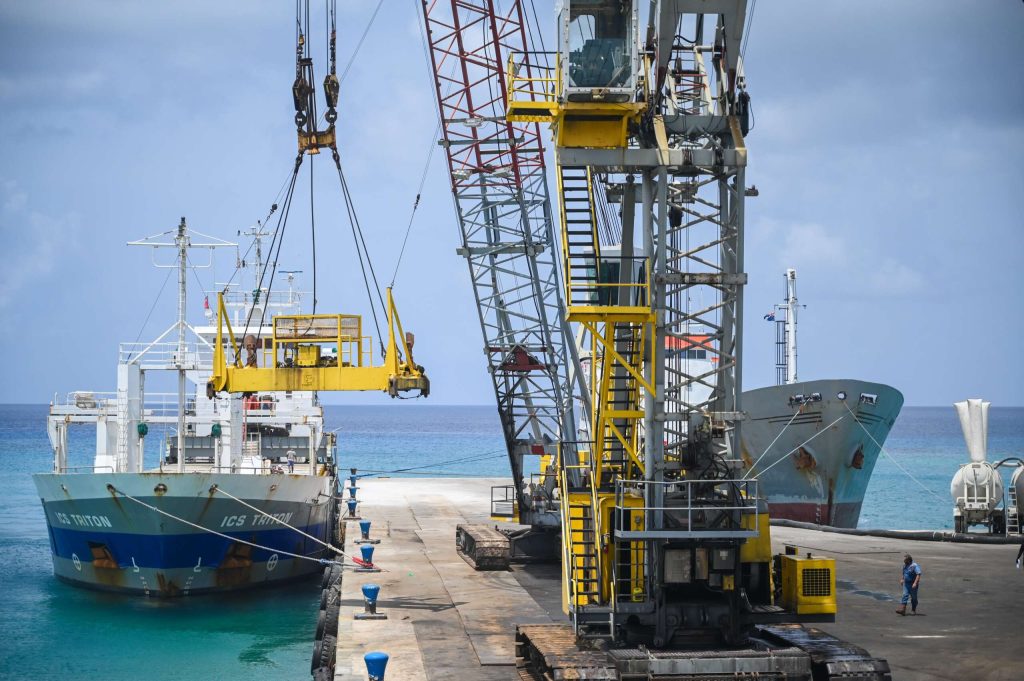
The recent decision by the U.S. to exempt the Caribbean from President Donald Trump’s proposed tariffs on Chinese-built and registered ships has been met with relief, especially in the Cayman Islands. This development alleviates concerns that hefty fees, potentially reaching $1.5 million per vessel using U.S. ports, would lead to increased shipping costs and elevated prices for imported goods in the region. Florida-based Tropical Shipping, a primary carrier for the Cayman market, expressed its gratitude, noting that these fees could have added around $3,000 to the cost of shipping a 40-foot container.
Tim Martin, President and CEO of Tropical Shipping, heralded the reversal as a significant victory not just for the company but for the Caribbean at large. He emphasized that the efforts of Caribbean advocates in Washington, along with extensive customer support and the involvement of various organizations, were crucial in reversing the tariff proposal. Martin cited the outpouring of advocacy from Caribbean leaders, businesses, and organizations like the Caribbean Hotel and Tourism Association, the Caribbean Tourism Organization, and the Caribbean Shipping Association as pivotal to amplifying their message effectively.
Originally, these levies were introduced in February as part of a broader strategy to bolster U.S. shipbuilding and retaliate against China, whom the U.S. Trade Representative (USTR) accused of employing unfair trade practices in the global shipping industry. However, the new tariff framework will no longer apply to routes originating in the Caribbean or between U.S. domestic ports, reflecting a shift aimed at minimizing disruption for U.S. exporters.
The USTR’s decision came in response to strong feedback, including nearly 600 public comments collected during a two-day public hearing. This degree of public engagement prompted the USTR to reconsider the potential repercussions of the tariffs on Caribbean economies and trade.
In addition to the exemption for the Caribbean, American and Canadian vessels operating on the Great Lakes will also not be affected by these tariffs. Martin expressed a commitment to ongoing dialogue with U.S. authorities regarding the long-term revitalization of the shipbuilding sector and how shipping companies like Tropical can adapt to future challenges.
While Tropical Shipping’s fleet includes approximately 20 vessels, all registered in St. Vincent and the Grenadines, many are built in China, directly linking them to the tariff issue. The broader context is set against the backdrop of escalating trade tensions between the U.S. and China, with Trump enforcing tariffs of up to 145% on various Chinese goods.
Overall, this exemption is a welcome respite for the Caribbean shipping industry and its stakeholders, as it not only protects the existing trade logistics but also ensures continued economic stability in the region.
Source link