The article addresses the ongoing issue of piracy and maritime insecurity in West Africa, particularly in the Gulf of Guinea, with a focus on Nigeria. It highlights a recent incident involving the hijacking of the Hana 1, marking a disturbing continuation of piracy despite a decline in attacks since 2019. Over the past decade, nearly 1000 individuals have been kidnapped by pirates in Nigerian waters, underscoring the need for a multifaceted response to this complex problem.
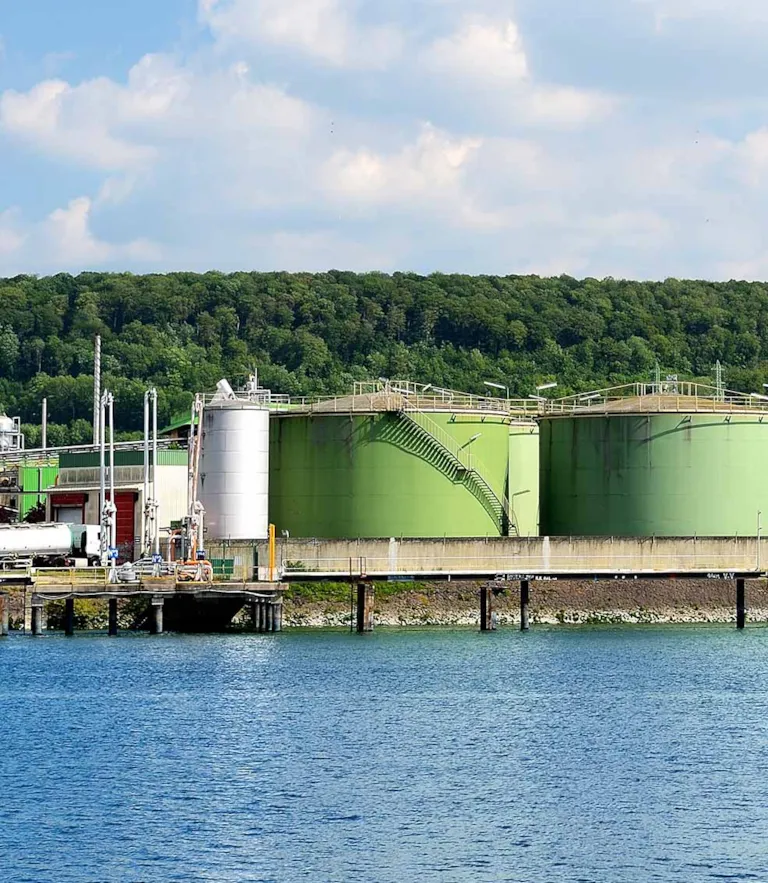
Historically, issues of piracy in Nigeria relate closely to the environmental degradation and socio-economic turmoil stemming from decades of oil production in the Niger Delta. Companies like Shell have exploited the region for its resources while neglecting the local communities, leading to unrest and the rise of militant groups demanding a fair distribution of oil wealth. The Nigerian government’s past efforts, such as the 2009 amnesty program, have been marred by corruption, leading to a continued cycle of violence and illegal activities, including oil theft and organized crime.
The evolution of maritime crime in the region can be classified into four key phases. Initially marked by opportunistic theft, the landscape shifted in the 2000s with the emergence of militant groups. The post-amnesty period saw a financial motive in piracy, culminating in direct attacks on oil tankers which transitioned to kidnapping crews for ransom around 2016. Recent improvements in regional maritime security capabilities, alongside international cooperation, have contributed to a decrease in piracy incidents, though concerns remain about the sustainability of this trend.
Efforts to combat piracy have included significant investment in maritime security infrastructure, such as Nigeria’s Deep Blue project, which aims to enhance naval capabilities. However, challenges persist, such as corruption and the high costs of maintaining naval fleets. Foreign navies, while active in the region, face operational limitations and accusations of neo-colonialism when intervening in piracy incidents.
Moreover, illegal activities like unregulated fishing have exacerbated the problem, creating an economic vacuum that fuels piracy. China’s growing economic influence in the region, particularly in port infrastructure, raises additional concerns about strategic military interests, although the immediate threat may not be as severe as perceived.
For effective long-term solutions, the article advocates for a bottom-up approach emphasizing local engagement. Coastal communities should be involved in security measures, benefiting from the economic opportunities presented by oil extraction rather than feeling exploited. The article suggests that addressing root causes—such as environmental damage and corruption—could help stabilize the region and mitigate piracy.
Ultimately, the West is encouraged to reassess its role in the region not only as a geopolitical actor but as a supporter of economic and democratic institutions. This proactive stance could counteract the likelihood of countries gravitating towards authoritarian regimes for support and help foster local frameworks to combat maritime crime sustainably.