Nigeria’s maritime industry faces significant challenges despite ongoing efforts to enhance safety, security, and operational efficiency. Currently, the country’s ports are ranked a shocking 183rd out of 185 globally, according to a report by the Sea Empowerment Research Centre RGS. This ranking underscores persistent issues such as corruption, inefficiency, and inadequate resources that fundamentally impede the sector’s growth and competitiveness on an international level.
Eugene Nweke, Head of Research at the Centre, noted that while initiatives like the Suppression of Piracy and other Maritime Offences Bill and national maritime surveillance efforts mark progress, profound challenges remain. These issues include poor infrastructure, ineffective regulation implementation, and operational inefficiencies that continue to plague the industry as it moves into 2024.
While Nigeria’s shipping industry has achieved the 48th position globally in terms of its merchant shipping fleet, it only contributes a meager 1.6 million tons to the global merchant fleet. This reflects Nigeria’s limited impact on the international shipping market, emphasizing the need for significant improvement in operational effectiveness and competitiveness.
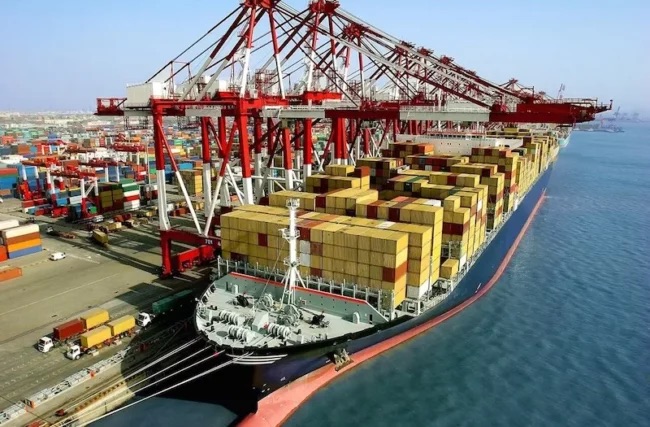
Nweke highlighted that various factors contribute to the dismal global ranking of Nigerian ports, including delays in import and export processes, unofficial payments, technical malfunctions, and security risks. Human barriers and congestion at ports further disrupt cargo flow, making timely delivery a constant challenge. This congestion and lack of investment in infrastructure compound the reputational damage, making Nigerian ports less attractive to global trade.
To combat these ongoing issues, Nweke urges the Federal Government to implement swift reforms aimed at enhancing port efficiency and competitiveness. He stresses the necessity for targeted investment in critical infrastructure, such as ports and terminals, along with strengthened safety measures. Effective regulatory compliance and law enforcement are also essential, suggesting that the government must ensure not just the formulation of regulations but their rigorous enforcement. He emphasized the crucial role of a properly funded industry regulator in maintaining oversight and accountability within the sector.
In conclusion, without substantial investments in infrastructure and reforms in regulatory practices, Nigeria’s maritime industry is poised to continue struggling on the global stage. Nweke calls for immediate governmental action, warning that neglecting these critical areas could have far-reaching implications not just for the maritime sector, but for Nigeria’s broader economic prospects. Immediate steps are needed to address these challenges to drive growth and improve Nigeria’s position in the global maritime industry.
Source link