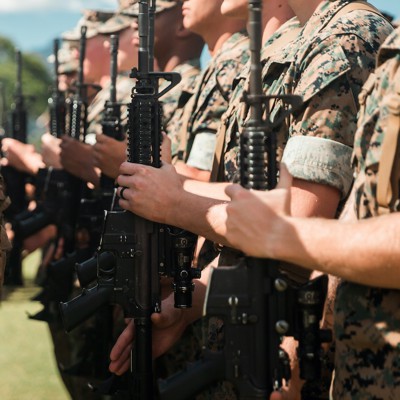
A significant battle is underway regarding the future direction of the U.S. Marine Corps, with discussions occurring across various platforms, including social media, think tanks, and Capitol Hill. This debate encompasses both current and retired Marines, all deeply invested in the Corps’ future. The pivotal question revolves around whether the Marines should continue to adapt to a maritime littoral strategy or revert to their historical role as an independent “first to fight” force. This choice reflects a broader paradigmatic struggle, reminiscent of philosopher Thomas Kuhn’s ideas about scientific paradigms. Kuhn argued that strong paradigms eventually encounter crises, necessitating a choice between maintaining old beliefs and adopting new ones.
The existing paradigm, championed by retired generals like Charles Krulak and Anthony Zinni, emphasizes the Marine Corps as an independent military entity, prepared to respond to national calls at a moment’s notice. In this view, operational issues take a backseat to preserving the Corps’ autonomy and operational readiness, necessitating a comprehensive array of equipment.
Conversely, General David Berger, the current Commandant, promotes a different vision through his Force Design 2030, acknowledging China’s rising influence in the Pacific as the primary challenge. Berger advocates for a return to the Marines’ maritime roots, creating a “stand-in” force ready to address modern threats like precision long-range weaponry. His approach emphasizes alignment with the Navy and the broader joint force rather than rigid autonomy.
Despite some common ground between these paradigms, they represent fundamentally different perceptions of the challenges facing the Marine Corps and how to address them, influencing strategies for the Corps’ relationship with national defense. This ongoing conflict has resulted in significant public discussions about organizational, training, and personnel issues, particularly within the ranks of general officers. Although some senior Marines may lean toward the traditional paradigm, they often refrain from voicing dissent publicly.
The resolution of this crisis hinges on leadership transitions within the Marine Corps, particularly the selection of future senior officers, especially Berger’s successor. Their leadership will largely determine whether the Corps embraces Force Design 2030 or retains traditional practices. However, the ultimate decision-makers are senior civilian leaders in the Pentagon and Capitol Hill, who will guide the selection process for military leadership.
Civilian leaders like the Defense Secretary and the president must navigate the gap between these competing paradigms to ensure that the Marine Corps aligns effectively with the joint force’s needs and the nation’s security. They must assess which leaders have the vision to steer the Corps in the chosen direction. The onus now rests on these civilian authorities to clarify their stance on the most effective paradigm for future military engagement and to support the appropriate leadership selection to implement that vision. Delaying these decisions could have lasting implications for the Corps and its role in national defense.
Source link