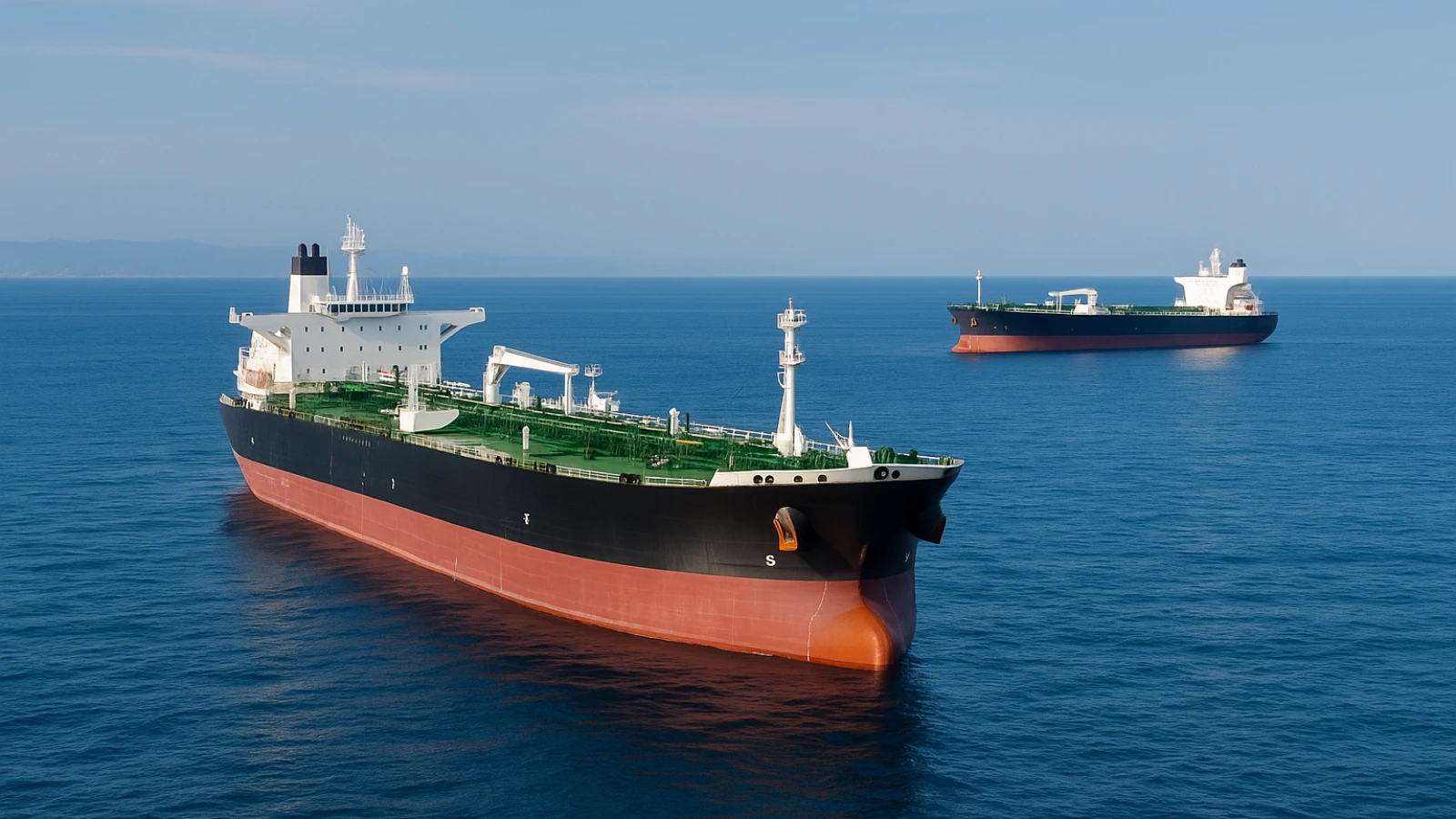
The maritime industry is undergoing a significant shift towards eco-friendly practices and technologies aimed at reducing carbon emissions and utilizing cleaner fuels. However, expert Eirik Ovrum from DNV, a Norwegian industrial risk management provider, highlights challenges in advancing fuel supply chains and technology development. Although the testing of innovative technologies is yielding positive outcomes, the speed of progress remains inadequate to achieve broader sustainability goals.
A key area of focus is the adoption of biofuels, such as biodiesel and bio-liquefied natural gas (LNG), which offer substantial reductions in greenhouse gas (GHG) emissions compared to traditional fossil fuels. While the demand for these low-GHG fuels is ramping up globally, the supply remains constrained. Ovrum underscores the importance of ramping up production to meet the International Maritime Organization’s (IMO) emissions reduction targets for 2030, 2040, and the aspirational goal of net-zero by 2050. He notes that certain types of biodiesel and bio-LNG can achieve anywhere from a 50% reduction to near-zero emissions, allowing shipowners to avoid carbon dioxide (CO2) pricing imposed by the IMO. However, uncertainties regarding production costs and the potential market for biowaste in other sectors complicate forecasts for the future of these fuels.
Onboard carbon capture systems (CCS) are another promising technology that is still in testing phases. Ovrum points out that one of the main challenges with CCS is minimizing the additional energy required to capture CO2 and ensuring the purity of the captured gas, as impurities present significant challenges in the CCS value chain.
Wind-assisted propulsion systems (WAPS) also hold potential for enhancing energy efficiency without relying on low-GHG fuels or CCS. While DNV is in the process of verifying energy savings for vessels equipped with WAPS, the effectiveness of the technology can vary widely from ship to ship, necessitating further development for practical implementation.
Despite these challenges, Ovrum expresses optimism, noting ongoing innovations in testing and regulatory proposals to improve access to biodiesel and bio-LNG. Enhanced models like book-and-claim chains could streamline the acquisition of these fuels. Additionally, several pilot projects for CCS are being tested on operational ships, demonstrating promising advancements. For example, Solvang’s Clipper Eris has been testing an onboard CCS for over six months, and systems have been operational on the container vessel Ever Top since 2024.
Ovrum emphasizes the technical progress and large-scale testing that could validate CO2 reduction technologies. DNV is actively engaged in developing the CCS supply chain, collaborating on over ten joint industry projects aimed at addressing key challenges in capture, transportation, and storage of CO2.
As for WAPS, there are currently 50 ships outfitted with advanced sails, with another 100 planned, suggesting significant interest and investment in this type of technology. Overall, Ovrum believes that WAPS could represent one of the most promising advancements in maritime eco-innovation, reflecting a broader commitment within the industry to embrace more sustainable practices.
Source link