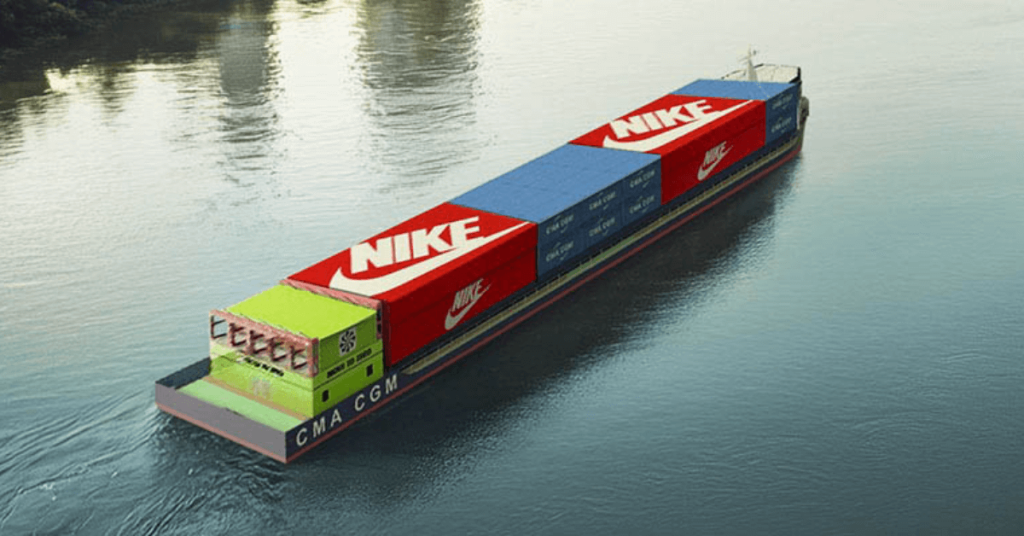
CMA CGM is set to launch an innovative electric-powered barge in Vietnam by 2026, aimed at promoting sustainable transportation in the country’s inland waterways. This zero-emission vessel, which will be designed by China’s CATL in collaboration with CMA CGM’s Research and Development teams, will utilize advanced battery technology. The barge will primarily serve to transport Nike products between Binh Duong Province and the Gemalink deep-sea terminal located in Cai Mep, covering a total distance of 180 kilometers.
To support the vessel’s operations, a solar-powered charging station will be established at the Gemalink Terminal, which is 25% owned by CMA CGM. This solar farm is expected to generate 1GWh of renewable energy annually. The barge is projected to handle over 50,000 Twenty-foot Equivalent Units (TEUs) each year, significantly contributing to carbon dioxide reduction by preventing an estimated 778 tonnes of emissions from traditional transport methods.
Christine Cabau-Woehrel, CMA CGM’s Executive Vice-President of Assets and Operations, has emphasized the significance of this initiative as a milestone in the company’s efforts towards decarbonization. She highlighted its replicable nature for other regions and large clients looking for sustainable logistics solutions. CMA CGM has a long-standing presence in Vietnam since 1989 and operates 29 weekly mainline services across seven ports in the country. This development aligns with Vietnam’s net-zero ambitions by 2050 and supports CMA CGM’s overarching decarbonization goals.
The electric barge project is part of a broader global trend in maritime transport, mirroring similar advancements in Scandinavia and China, where electric short-sea and inland cargo services are being implemented. The trend also extends to the usage of battery technologies in ferries and tugboats, highlighting an industry-wide shift towards more sustainable operational practices.
In summary, CMA CGM’s electric-powered barge represents a significant step forward in both corporate responsibility and innovative transportation solutions in Vietnam, reinforcing the commitment to sustainability and the reduction of greenhouse gas emissions in the shipping sector.
Source link