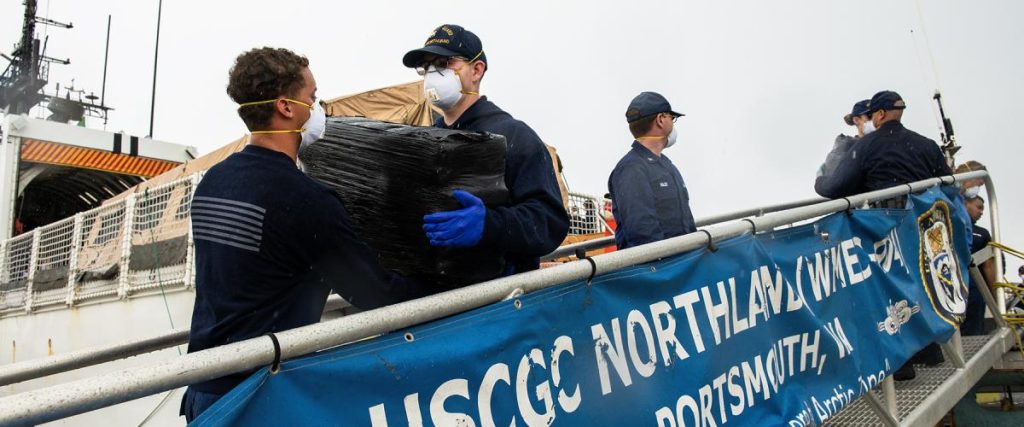
The author reflects on their experience with the Department of Homeland Security’s Joint Task Force–East (JTF-E), highlighting a shift from traditional focuses such as narcotics trafficking and irregular migration to broader security concerns in the Caribbean region. By 2021, the Eastern Caribbean Campaign aimed to promote a more comprehensive understanding of security that included governance, corruption, and infrastructure. Despite these efforts, dominant metrics still centered on drug seizures and migrant interdictions, echoing the flawed historical measures of success during the war on drugs, which prioritized short-term accomplishments over long-term regional stability and resilience.
The author argues that the interconnected maritime and economic system of the Caribbean, Gulf of Mexico, and Mississippi River plays a crucial role in U.S. trade and security. This system encompasses vital resources, manufacturing, and export activities. However, the U.S. strategy often treats the Caribbean as peripheral, primarily focusing on its role in drug interdiction and disaster response rather than recognizing its significance in global trade dynamics.
Furthermore, the author emphasizes the increasing involvement of Chinese state-linked firms in critical infrastructure within the Caribbean and Latin America. This presence poses potential risks to U.S. interests, as it grants Beijing options to influence trade routes and logistics, impacting U.S. economic influence.
One major issue presented is the problematic metrics used in maritime domain awareness (MDA). The focus has traditionally been on the quantity of seizures and the number of vessels tracked, neglecting the need for a deeper understanding of cargo contents, ownership, and the legitimate versus illicit flows of goods. The author advocates for redefining MDA to encompass a holistic understanding of the maritime economic ecosystem, emphasizing the importance of integrating data on logistics and financial transactions.
The author proposes several implications for the U.S. Coast Guard and other maritime services. First, they recommend defining the Caribbean–Gulf–Mississippi system as a cohesive strategic theater. Second, the Coast Guard should develop a logistics-driven standard of MDA that highlights the significance of trade flows and economic vulnerabilities. Third, the relationship with Caribbean nations should be approached as a partnership focused on shared economic security rather than merely addressing transnational threats. Lastly, investments in surveillance and analytics should be assessed based on their ability to enhance understanding of the economic landscape and uncover illicit operations.
In conclusion, the author calls for a reevaluation of U.S. strategic priorities in the Caribbean basin, asserting that success should not solely be defined by seizures and metrics but should also consider the economic implications and the importance of maintaining robust trade and logistical networks vital for U.S. interests.