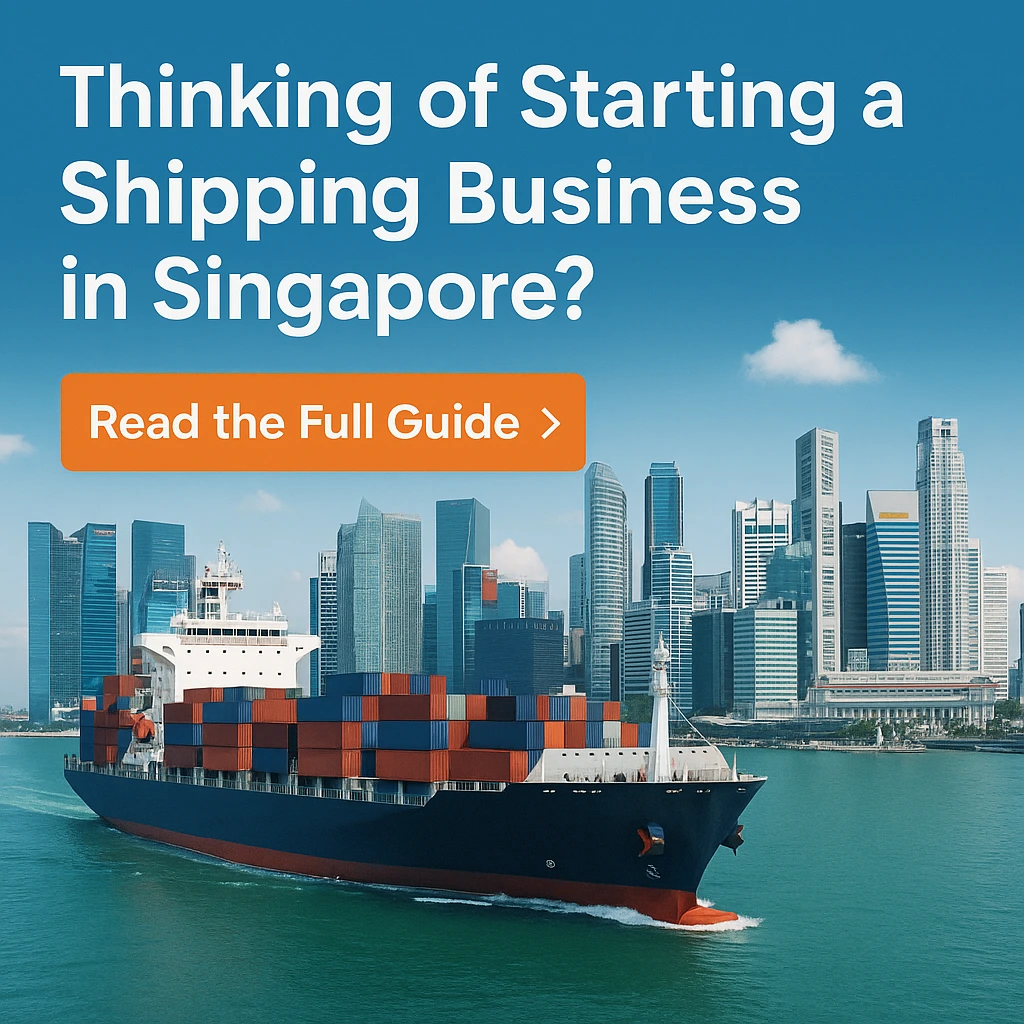
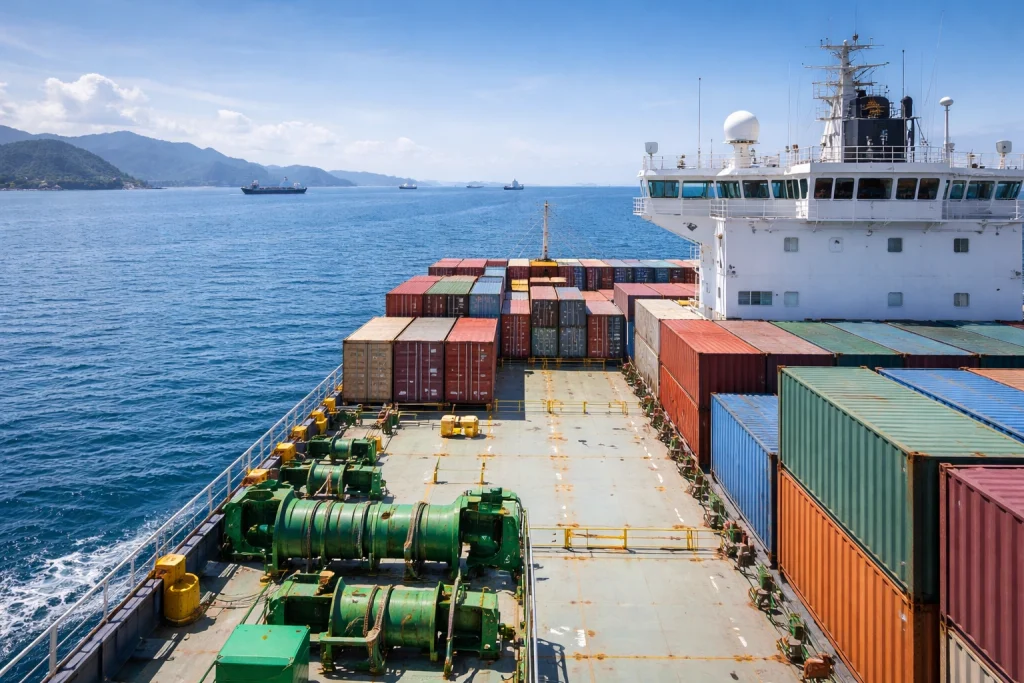
The maritime industry plays a crucial role in the global economy, handling nearly 90% of all international trade, primarily through the efforts of approximately 1.9 million seafarers. These individuals are essential to maintaining global supply chains, a fact highlighted during the COVID-19 pandemic when they continued working under difficult conditions to deliver goods vital for daily living. However, this demanding profession is riddled with risks, including physical dangers from machinery and hazardous environments, as well as mental health challenges exacerbated by isolation and long working hours. Seafarers often face extreme stress, which has resulted in one of the highest suicide rates across occupational sectors.
The Philippines serves as a major labor supplier for the maritime industry, and its seafarers are primarily governed by the Philippine Overseas Employment Administration-Standard Employment Contract (POEA-SEC), a regulatory framework designed to protect their rights and welfare. Analyzing the POEA-SEC reveals both its strengths and limitations, depending greatly on the broader economic and labor policies of the Philippines. The study examines how the POEA-SEC interacts with two important processes impacting seafarers: contractualization in labor organization and the country’s labor export policy.
Through a multi-method approach, including policy analysis, interviews, and focus groups, researchers evaluated the effectiveness of the POEA-SEC. They focused on three main areas: the duration of contracts, monetary benefits, and working conditions. While the contract offers certain protections, it has also been criticized for reinforcing a precarious employment status that undermines workers’ rights and well-being. For example, the shift to recognizing seafarers as contractual employees has stripped them of vital benefits that regular workers receive, leaving them more vulnerable to exploitation.
Furthermore, issues such as extended work hours without proper rest, inadequate regulations to enforce existing protections, and the mandatory remittance of a significant portion of their wages threaten the financial stability and overall health of Filipino seafarers. The contractual nature of their employment offers little room for negotiation, creating a cycle of compliance that prioritizes employer interests over worker welfare. The research underscores the disconnect between global standards meant to protect seafarer rights and the realities they face on the ground, revealing that contractual arrangements often fail to deliver adequate health and safety measures.
Despite international conventions aimed at safeguarding seafarers’ rights, enforcement remains inconsistent. The POEA-SEC aims to align with these standards but often functions more as an economic tool to facilitate labor export rather than genuinely protect workers. The Philippine government appears to prioritize the influx of remittances from seafarers over their overall welfare, leading to conditions that hinder their health and job security.
In conclusion, while the POEA-SEC offers a regulatory framework for the employment of Filipino seafarers, it is heavily influenced by economic considerations that compromise their well-being. The findings call for a reassessment of labor policies to better protect seafarers’ rights and health within the ever-evolving maritime industry.