Marine pollution, particularly oil spills, remains one of the most pressing environmental challenges facing the global maritime industry. The devastating impact of these incidents on ecosystems, economies, and communities highlights the urgent need for robust prevention, rapid response strategies, and international cooperation. This guide provides a comprehensive overview of oil spills and marine pollution, explores key case studies, and distills expert lessons learned to help industry professionals navigate this complex landscape.
Understanding Oil Spills and Marine Pollution
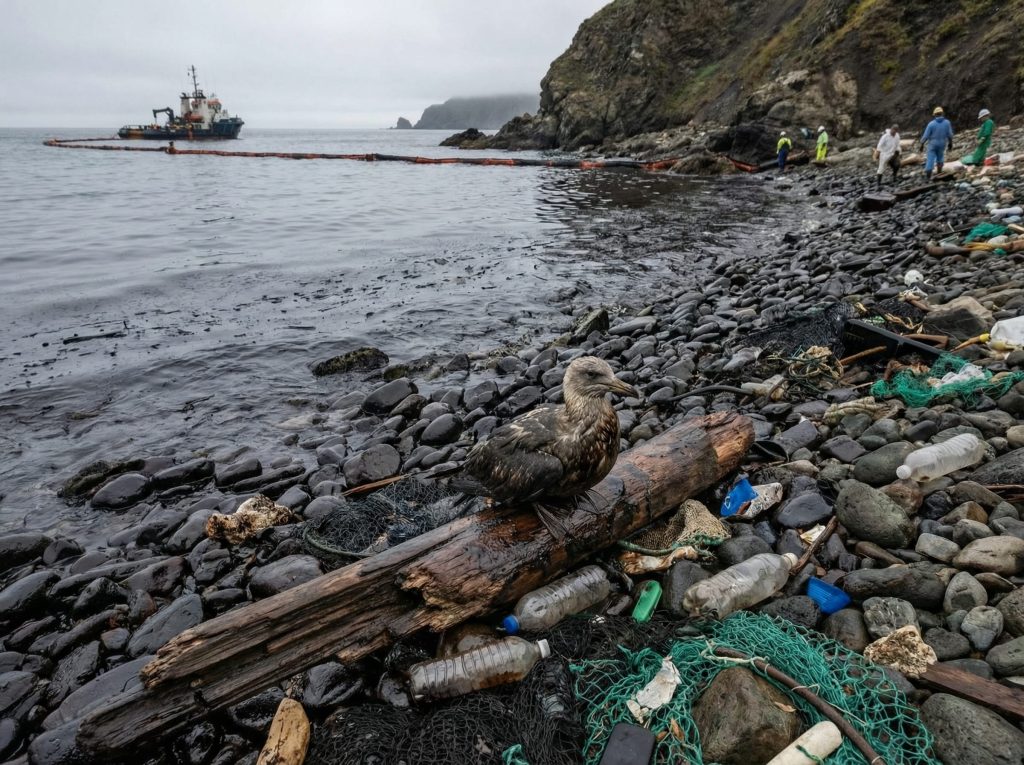
Oil spills occur when oil is accidentally released into the ocean, often as a result of tanker accidents, pipeline ruptures, offshore drilling mishaps, or operational discharges. Marine pollution, more broadly, includes plastics, chemicals, sewage, and other hazardous substances entering the sea. Both forms of pollution threaten marine biodiversity, fisheries, tourism, and coastal livelihoods.
Prevention: Building a Proactive Approach
1. Regulatory Frameworks and Best Practices
- International Conventions: The International Maritime Organization (IMO) enforces regulations such as MARPOL (International Convention for the Prevention of Pollution from Ships), which sets standards for oil discharge, ballast water management, and waste control.
- Operational Protocols: Adoption of double-hulled tankers, regular vessel maintenance, and strict cargo handling procedures reduce the risk of spills.
- Technology Solutions: Real-time monitoring, leak detection systems, and automated shut-off valves are increasingly deployed to prevent incidents.
2. Training and Culture
- Crew training in spill prevention, emergency response, and environmental stewardship is vital. Fostering a safety-first culture ensures vigilance and accountability at every level.
Response Strategies: Mitigating Impact
1. Immediate Actions
- Containment: Deploying booms, barriers, and skimmers to stop the spread of oil.
- Recovery: Using pumps, absorbents, and specialized vessels to remove oil from the water surface.
2. Remediation and Restoration
- Bioremediation: Leveraging microorganisms to break down oil residues.
- Shoreline Clean-up: Manual and mechanical removal of oil from beaches and coastal habitats.
- Wildlife Rescue: Rehabilitation of affected marine animals and birds.
3. Preparedness and Coordination
- Establishing regional response centers, conducting joint drills, and maintaining stockpiles of equipment ensure readiness for future incidents.
International Cooperation: A United Front
1. Global Agreements
- OPRC Convention: The International Convention on Oil Pollution Preparedness, Response and Co-operation promotes collaboration in responding to oil spills.
- Regional Initiatives: Partnerships such as the Regional Marine Pollution Emergency Response Centre for the Mediterranean Sea (REMPEC) foster joint action.
2. Information Sharing and Capacity Building
- Countries share data, expertise, and resources to strengthen collective resilience. Training programs, workshops, and technical assistance help bridge gaps in capability.
Case Studies: Major Incidents and Lessons Learned
1. Exxon Valdez (Alaska, 1989)
- Impact: Over 37,000 tonnes of crude oil spilled, devastating local wildlife and fisheries.
- Lesson: Led to the Oil Pollution Act of 1990 in the US, mandating double hulls and improved response planning.
2. Deepwater Horizon (Gulf of Mexico, 2010)
- Impact: Largest marine oil spill in history, with long-lasting ecological and economic consequences.
- Lesson: Highlighted the need for advanced blowout preventers, better risk assessment, and multinational response coordination.
3. MV Wakashio (Mauritius, 2020)
- Impact: Grounding of a bulk carrier released thousands of tonnes of oil, threatening coral reefs and tourism.
- Lesson: Demonstrated the importance of rapid local response, international assistance, and transparent communication.
Conclusion
The maritime industry must continuously evolve its approach to environmental protection. Through prevention, swift response, and global cooperation, stakeholders can mitigate the risks of oil spills and marine pollution. Learning from past incidents and embracing innovation will ensure a more sustainable future for our oceans.
Explore more Industry Guides and expert opinions at maritimefairtrade.org to stay ahead of environmental regulations, best practices, and global maritime trends.