
Efficient Cargo Management, Containerization, and Logistics
Freight forwarding and cargo handling are at the heart of the maritime industry, enabling the smooth movement of goods across the globe. As international trade continues to grow, efficient cargo management, containerization, and advanced logistics have become critical to ensuring timely delivery and cost-effective operations.
Understanding Freight Forwarding
Freight forwarding involves organizing shipments for individuals or corporations to get goods from the manufacturer or producer to a market, customer, or final point of distribution. Freight forwarders act as intermediaries between shippers and transportation services, leveraging their expertise to negotiate the best possible price and route while ensuring compliance with regulations.
Key responsibilities of freight forwarders include:
- Documentation: Handling bills of lading, customs paperwork, and insurance.
- Coordination: Arranging transport by sea, air, rail, or road.
- Tracking: Monitoring shipments to provide real-time updates.
- Risk Management: Ensuring cargo safety and security during transit.
Cargo Handling: The Backbone of Maritime Logistics
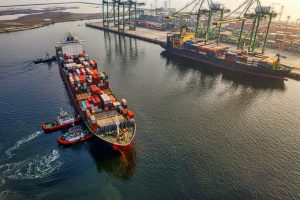
Cargo handling refers to the processes involved in loading, unloading, and managing goods at ports and terminals. With the rise of global trade, ports have evolved into complex hubs where efficiency is paramount. Modern cargo handling relies on advanced equipment, skilled labor, and robust systems to streamline operations.
Efficient Cargo Management
Efficient cargo management is essential for minimizing delays and reducing costs. Best practices include:
- Inventory Control: Accurate tracking of cargo movement and storage.
- Automation: Using cranes, conveyors, and automated guided vehicles (AGVs) to speed up operations.
- Safety Protocols: Ensuring safe handling of hazardous and fragile goods.
Containerization: Revolutionizing Global Trade
The advent of containerization transformed the maritime industry, allowing goods to be packed into standardized containers for seamless transfer between ships, trucks, and trains. This innovation has led to:
- Reduced Transit Times: Faster loading and unloading at ports.
- Lower Costs: Economies of scale and reduced labor requirements.
- Improved Security: Containers offer better protection against theft and damage.
The Role of Logistics in Maritime Operations
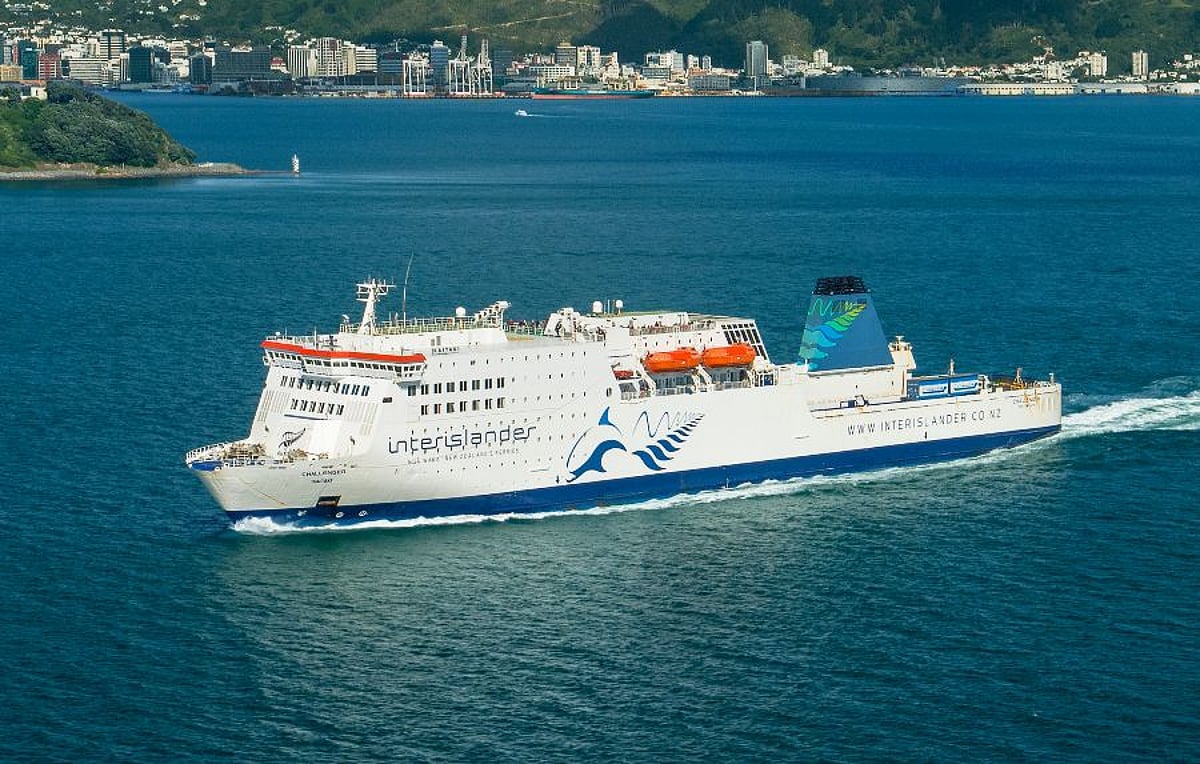
Logistics encompasses the planning, implementation, and control of the movement and storage of goods. In the maritime sector, logistics is the glue that binds freight forwarding and cargo handling, ensuring that shipments reach their destinations efficiently.
- Integrated Supply Chains: Collaboration among shipping lines, port operators, and freight forwarders.
- Digitalization: Adoption of digital platforms for real-time tracking, documentation, and predictive analytics.
- Sustainability: Efforts to reduce emissions and improve energy efficiency in transport and handling.
Global Trends and Challenges
The maritime industry faces evolving challenges such as fluctuating fuel prices, regulatory changes, and geopolitical tensions. Staying ahead requires continuous innovation, investment in technology, and adherence to best practices in cargo management and logistics.
Expert Guidance for Industry Professionals
Whether you are a shipper, freight forwarder, or port operator, understanding the intricacies of cargo handling and logistics is vital for success in the global marketplace. Staying informed about industry developments, regulatory updates, and emerging technologies will help you remain competitive and resilient.
Explore more Industry guides and expert opinions at maritimefairtrade.org to stay ahead of the curve in freight forwarding, cargo handling, and maritime logistics.