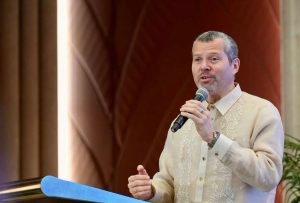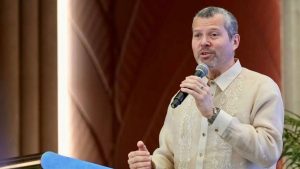
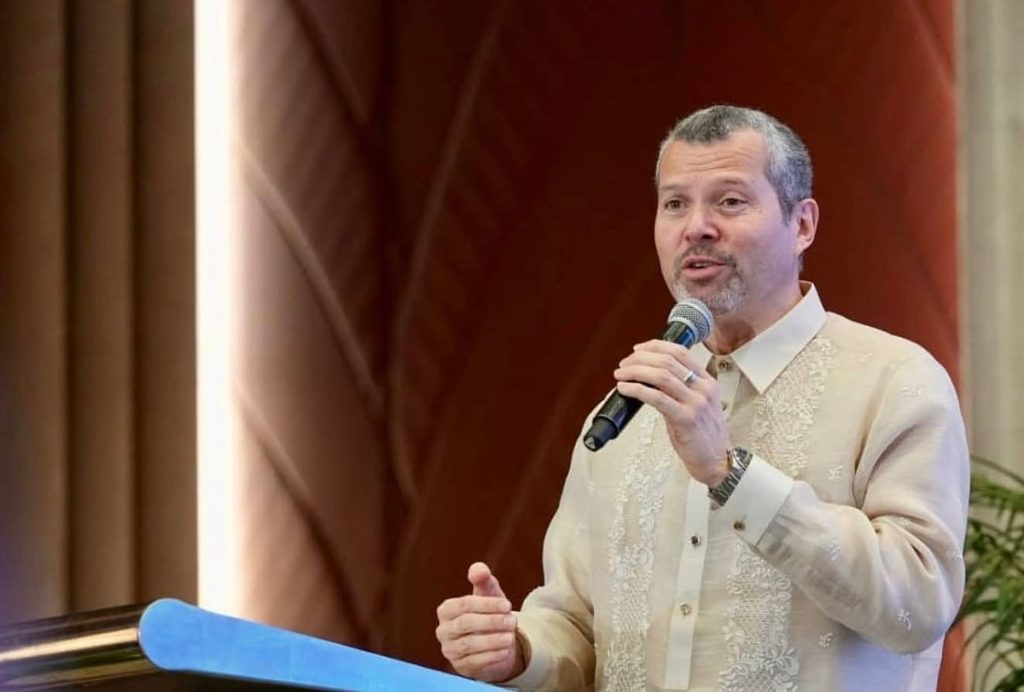
During his recent visit to the Philippines, International Maritime Organization (IMO) Secretary-General Arsenio Dominguez emphasized the importance of supporting member states and the global shipping industry, advocating for a balanced approach that integrates reforms with increased investment in seafarers. He joined officials from the Philippine Maritime Industry Authority (Marina) at the Regional Forum on the Effective Implementation of the STCW Convention and Code, where he announced the initiation of Phase 2 of a comprehensive review of the STCW Convention. This review aims to amend the Convention, making it relevant in the context of new challenges presented by cleaner fuel technologies, artificial intelligence, and the digitalization of maritime operations.
Dominguez highlighted that investing in seafarers is vital, advocating for their rights to dignified treatment and working conditions comparable to those on land. Internet connectivity and adequate living conditions on ships were emphasized as essential for improving the quality of life for seafarers. As a leading supplier of seafarers globally, the Philippines plays a crucial role in advancing maritime reforms, with Marina Administrator Sonia Malaluan stressing the importance of ensuring a competent and future-ready workforce amid evolving global pressures including environmental challenges and geopolitical factors.
Philippine Ambassador to the UK, Teodoro Locsin Jr., called for a proactive reassessment of global maritime standards that address the reality of automation, digitalization, and other emerging issues like violence and harassment at sea. He stated that as the shipping industry transitions to cleaner energy, training must evolve correspondingly to keep pace with these changes. Locsin emphasized that respect at sea should be a baseline expectation, advocating for zero tolerance towards harassment and ensuring accountability for misconduct, highlighting the necessity for dignity and protection to apply to all genders.
Moreover, the commitment of the Philippine government to fostering safe and inclusive working environments was underscored, with Assistant Secretary Ventura Plan relaying Transportation Secretary Giovanni Lopez’s message that all maritime workers should operate in respectful and secure conditions.
As the maritime sector experiences significant transitions due to climate commitments and technological advancements, speakers at the forum noted the need for global standards to adapt alongside these innovations, with a focus on seafarers being central to this transformation. Dominguez acknowledged the Philippines as an essential partner in shaping future maritime regulations and noted its strong training ecosystem, which is critical for the global maritime workforce.
He also pointed to collaborative initiatives such as the Smart Sea Projects that aim to tackle pressing issues such as decarbonization, plastic pollution from vessels, and transboundary environmental impacts. These efforts exemplify the ongoing partnership between the IMO and the Philippines, which is critical for effective resource allocation and planning in enhancing the maritime industry’s sustainability and effectiveness in adapting to future challenges.
Original publication date: [original_date]