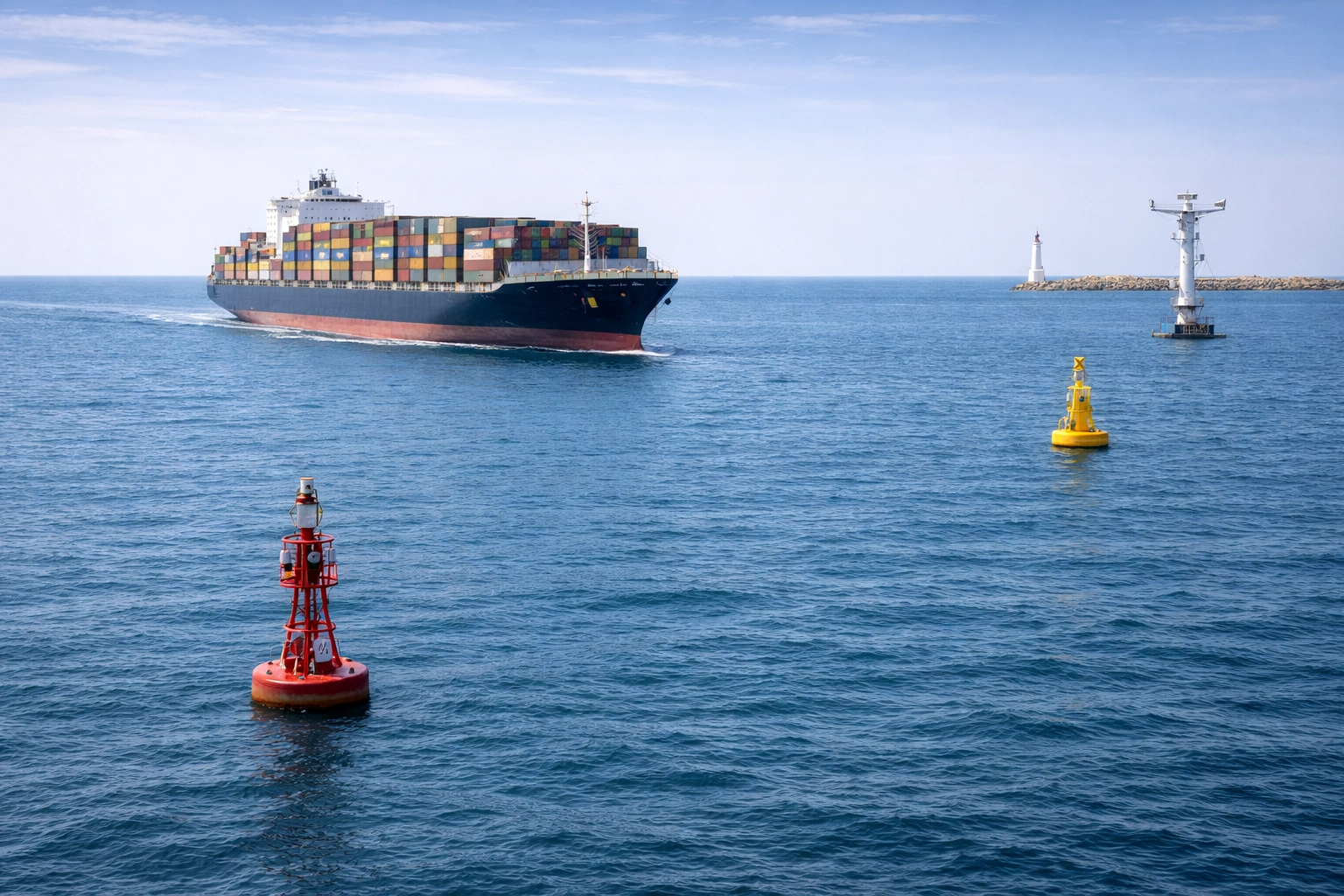

On November 10, 2024, the Maersk Halifax docked at the Qianwan Container Terminal in Qingdao, China, amidst rising concerns over the impact of U.S. tariffs on trade with Mexico and Canada. Shipping giant Maersk has warned that these tariffs are set to contribute to inflation in the U.S. economy, a view echoed by various retailers and trade groups. Charles van der Steene, Maersk’s North America president, emphasized that the immediate effect of tariffs is inflationary, underscoring the potential for price increases as a result of escalating trade tensions.
The tariffs, which include a 25% tax on imports from Mexico and Canada, along with additional tariffs on Chinese goods, took effect just before midnight. In retaliation, both Canada and Mexico announced reciprocal tariffs, with Canada ready to impose 25% tariffs on over $100 billion of American goods. The ripple effects of these tariffs are expected to be felt throughout supply chains, impacting consumer prices sooner rather than later, as highlighted by Target’s CEO, who warned that prices on certain goods could increase within days.
Despite this grim outlook, van der Steene noted a silver lining: the resilience of U.S. consumer strength. Notably, consumer consumption has remained robust over the past six quarters, supporting the U.S. economy amid uncertainties. The influx of international retailers into the American market underscores this resilience, as they seek to take advantage of strong consumer spending.
While various government officials like Commerce Secretary Howard Lutnick and Treasury Secretary Scott Bessent claim that tariffs won’t lead to inflation and view the impending trade policies as necessary to correct perceived injustices in global trade, critics point out that tariffs typically escalate prices for consumers. The notion that countries like China will absorb the costs of tariffs has raised skepticism, particularly as many importers will likely pass higher costs onto consumers.
Moreover, discussions about average global tariffs reveal that while the U.S. has comparatively lower tariffs, certain countries impose much higher tariffs on key categories like food and textiles. The strategic significance of trade policies further complicates the landscape, as countries like India are benefiting from manufacturers moving production away from China, attracting significant investments including a $5 billion commitment from Maersk to enhance infrastructure.
Ultimately, the prognosis for the maritime and transport sector hinges on consumer behavior. If tariffs lead to reduced consumption, this could mean a decrease in freight orders, particularly following a wave of preemptive shipping activity as companies anticipated tariff implementations. In conclusion, the ongoing trade war presents a complex web of challenges and dynamics, where inflation, consumer resilience, and geopolitical maneuvering all play critical roles in shaping the future of global trade.
Source link