
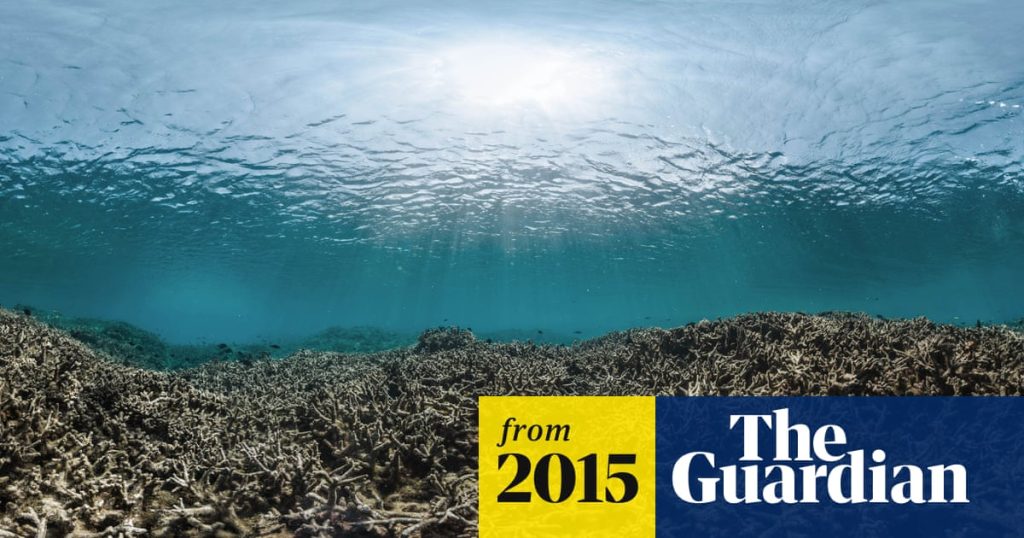
The health of the world’s ocean ecosystems is facing a critical threat due to greenhouse gas emissions, overfishing, and localized pollution. A comprehensive analysis involving 632 studies on marine environments—from tropical waters to the Arctic—reveals that climate change is severely diminishing marine diversity and abundance. This research, published in the Proceedings of the National Academy of Sciences, highlights the limited capacity of marine species to adapt to the rising temperatures and increasing acidification levels resulting from carbon dioxide absorption.
The oceans currently absorb about one-third of all carbon dioxide produced by human activities, leading to a rise in water temperature of about 1°C and a 30% increase in acidity since pre-industrial times. This acidification adversely affects marine organisms such as corals, oysters, and mussels, making it difficult for them to develop their necessary shells and structures. Additionally, warming waters alter fish behavior and habitats.
Conducted by the University of Adelaide, the study indicates that while warming promotes an increase in plankton, this abundance doesn’t benefit higher trophic levels in the food chain. Associate Professor Ivan Nagelkerken explains that although there may be more small herbivores like fish and shrimp, their growth rates decline due to heightened metabolic demands caused by rising temperatures. Consequently, these changes lead to fewer prey opportunities for carnivores, creating a cascading effect throughout marine ecosystems.
The analysis confirmed a consistent decline in species diversity and abundance regardless of the ecosystem studied. The severe implications of simultaneous warming and acidification, along with hyperoxia (decreased oxygen levels) and additional stressors like overfishing, are compounding the challenges for marine species.
Notably, the oceans are currently experiencing a significant coral bleaching event, the third occurrence on a global scale since 2014, attributed to a climate-induced underwater heatwave. By the end of this year, nearly 38% of the world’s coral reefs will have been impacted, with 5% facing total loss. Coral reefs, which constitute only 0.1% of the ocean floor, support approximately 25% of marine species. Major coral systems like Australia’s Great Barrier Reef have lost half their coral cover in the last 30 years, risking further diminishment by 2050 unless emissions and pollution are substantially reduced.
Moreover, ocean warming contributes to thermal expansion, leading to rising sea levels exacerbated by the melting of land ice, particularly in Antarctica. Recent studies suggest that this ice loss could have dire consequences for coastal communities by 2100.
The challenges facing ocean food chains are significant for the hundreds of millions who depend on seafood for their livelihoods and nutrition. The degradation of coral reefs also threatens coastal protection, increasing vulnerability to storms and erosion.
Experts like Nagelkerken caution that these detrimental changes are already observable and will intensify over the next 50 to 100 years. Instances of tropical species invading temperate regions further illustrate the destabilizing impacts of climate change. To enhance the resilience of marine species, it is vital to address additional stressors like overfishing and pollution, providing a better chance for adaptation in the face of climate change challenges.