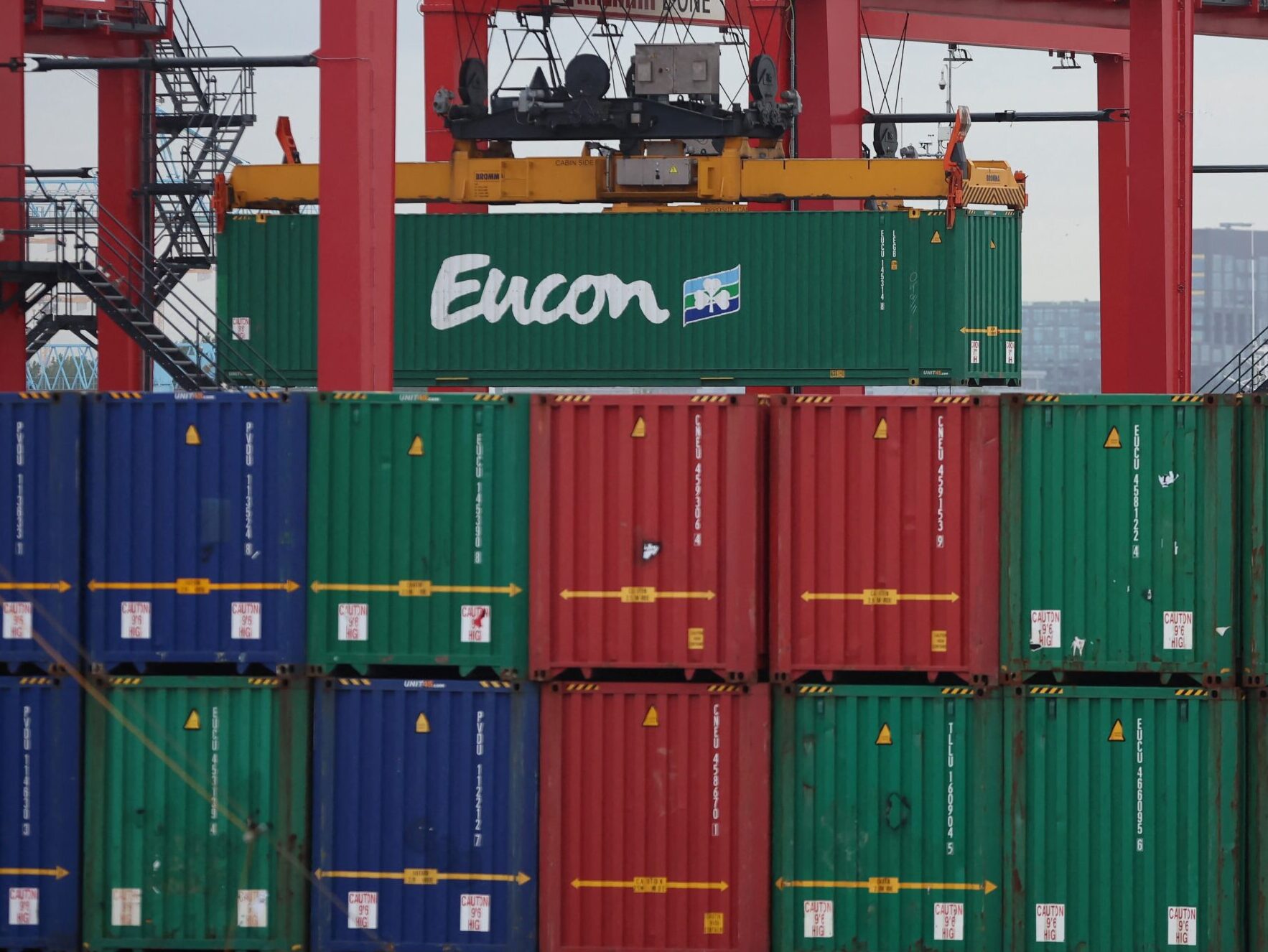

Maritime trade is the lifeblood of global commerce, responsible for transporting over 80% of the world’s goods. However, the complexity and international nature of shipping operations mean that disputes are inevitable. From contractual disagreements to operational mishaps, conflicts can arise between shipowners, charterers, cargo interests, insurers, and other stakeholders. Effective dispute resolution is thus essential for maintaining trust, minimizing losses, and ensuring the smooth functioning of maritime business.
Understanding Maritime Disputes
Maritime disputes typically stem from:
- Charter Party Agreements: Issues over freight, demurrage, laytime, and vessel performance.
- Bills of Lading: Claims regarding cargo damage, delays, or misdelivery.
- Shipbuilding and Repair Contracts: Disputes over quality, delays, or payment.
- Operational Incidents: Collisions, groundings, pollution, and salvage operations.
- Insurance Claims: Coverage and liability disagreements.
Given the high stakes and cross-border nature of shipping, parties often seek specialized forums and mechanisms to resolve their differences.
Why Arbitration is Preferred in Maritime Disputes
Arbitration has emerged as the preferred method for resolving maritime conflicts due to several advantages:
- Expertise: Arbitrators are often industry specialists, familiar with maritime law and commercial practices.
- Neutrality: Arbitration can be held in neutral venues, avoiding bias towards any national court.
- Confidentiality: Proceedings are private, protecting sensitive commercial information.
- Efficiency: Arbitration is generally faster than litigation, with more flexible procedures.
- Enforceability: Arbitral awards are widely recognized and enforceable under the New York Convention in over 160 countries.
Major maritime arbitration centers include London (London Maritime Arbitrators Association), Singapore (Singapore Chamber of Maritime Arbitration), Hong Kong, and New York.
The Arbitration Process in Shipping
A typical maritime arbitration process involves:
- Initiation: Parties refer their dispute to arbitration, usually based on a clause in their contract.
- Selection of Arbitrators: Each party may appoint an arbitrator, or a panel is formed.
- Exchange of Statements: Submissions and evidence are exchanged, often electronically.
- Hearings: Oral hearings may be held, though many cases are decided on documents alone.
- Award: The arbitrators issue a binding decision, which can be enforced internationally.
Alternative Dispute Resolution (ADR) Methods
Apart from arbitration, the maritime industry also employs:
- Mediation: A neutral mediator facilitates negotiation, helping parties reach a voluntary settlement.
- Conciliation: Similar to mediation but may involve more active proposals from the conciliator.
- Expert Determination: Technical issues are resolved by an agreed expert whose decision may be binding.
These methods can be quicker and less adversarial, preserving business relationships.
The Role of Maritime Law and International Conventions
Maritime disputes often invoke specialized laws and conventions, such as:
- International Maritime Organization (IMO) regulations
- United Nations Convention on the Law of the Sea (UNCLOS)
- Hague-Visby Rules, Hamburg Rules, and Rotterdam Rules (governing carriage of goods by sea)
Expert legal guidance is crucial for navigating these frameworks and ensuring compliance.
Staying Ahead in Maritime Dispute Resolution
With shipping becoming ever more complex and regulated, proactive conflict management is vital. Parties should:
- Draft clear contracts with robust dispute resolution clauses.
- Maintain accurate records of operations and communications.
- Engage legal and technical experts early in potential disputes.
- Stay informed about industry trends and regulatory changes.
Explore more industry guides and expert opinions at maritimefairtrade.org to stay ahead of maritime dispute resolution trends and best practices.