Prime Minister Narendra Modi’s recent visit to Southeast Asia marks a pivotal opportunity for bolstering maritime cooperation between India and Indonesia. Both countries have increasingly aligned their policies—India’s “Act East” and Indonesia’s “Global Maritime Fulcrum”—to address shared security threats, particularly China’s growing maritime presence in the region.
India and Indonesia boast a strong bilateral relationship characterized by a humanitarian perspective that transcends national borders. Modi announced a visa waiver for Indonesian citizens for travel up to 30 days, emphasizing India’s commitment to its diaspora in Indonesia and the broader values of pluralism and moderation. Notably, the two nations aim to ramp up bilateral trade to USD 50 billion by 2025, supported by 15 new agreements covering areas such as defense, space, and health.
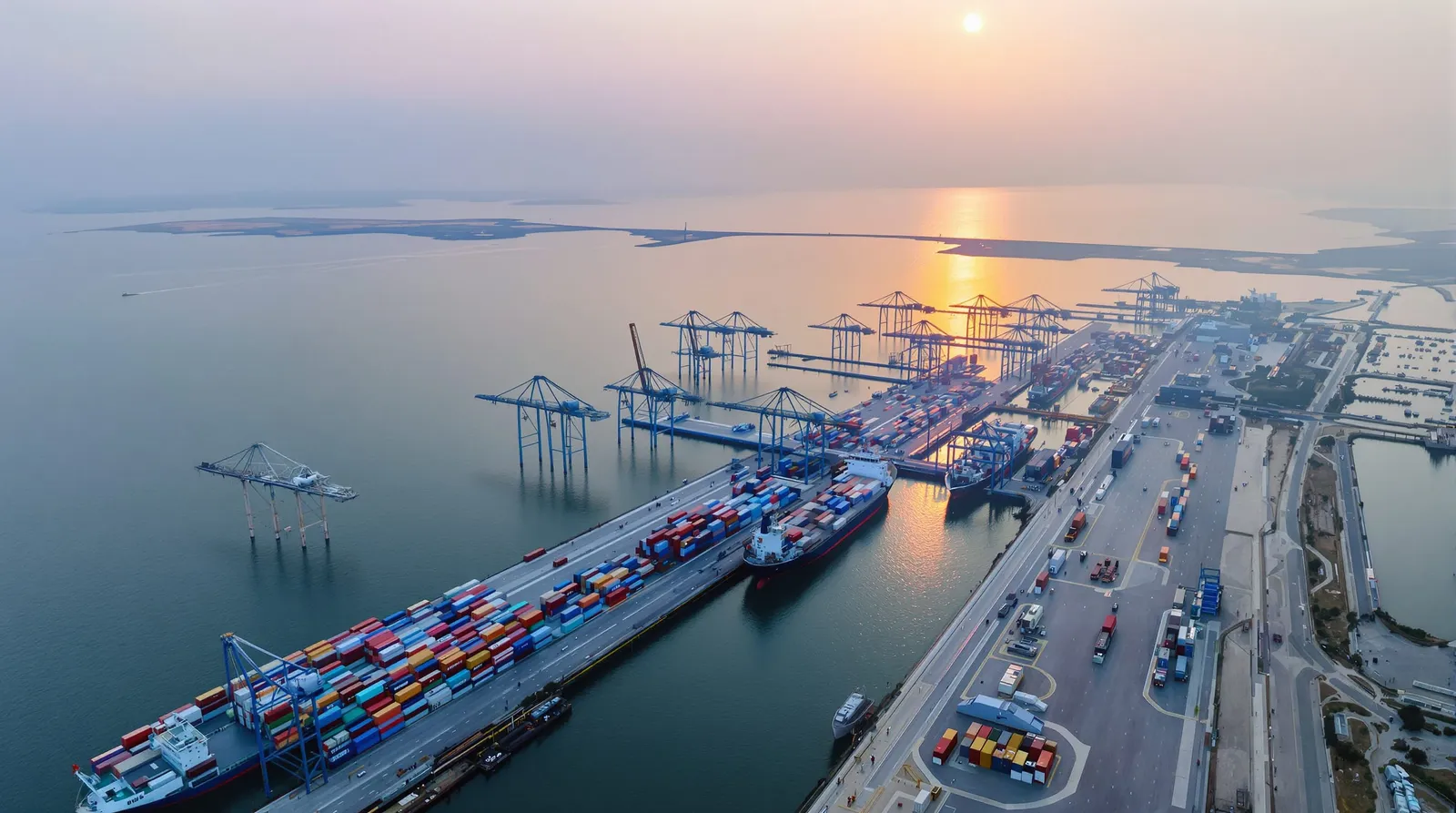
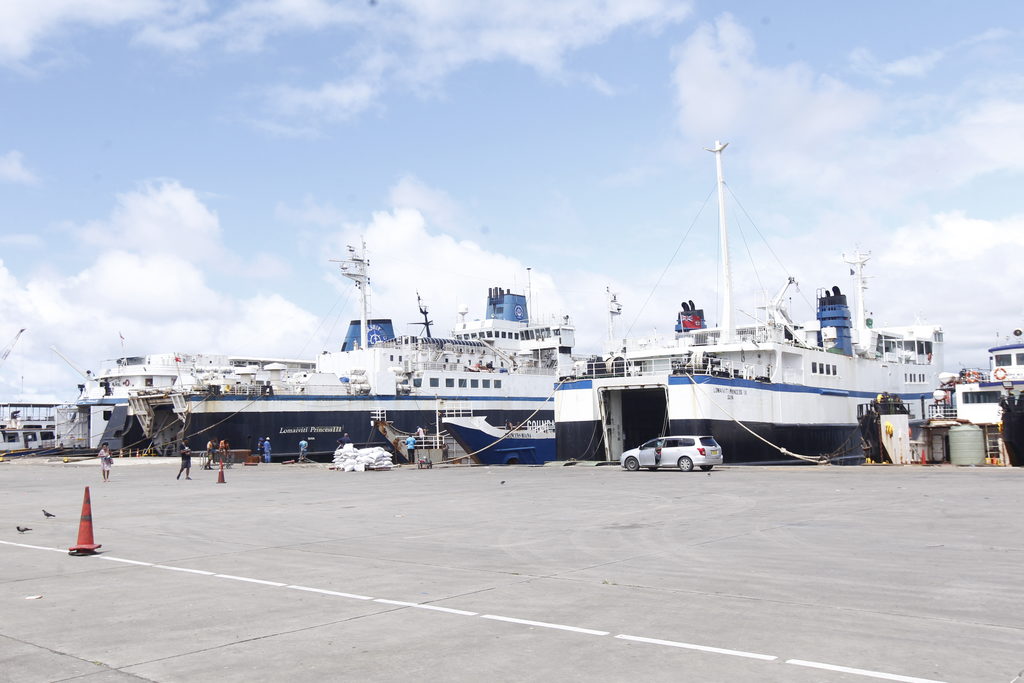
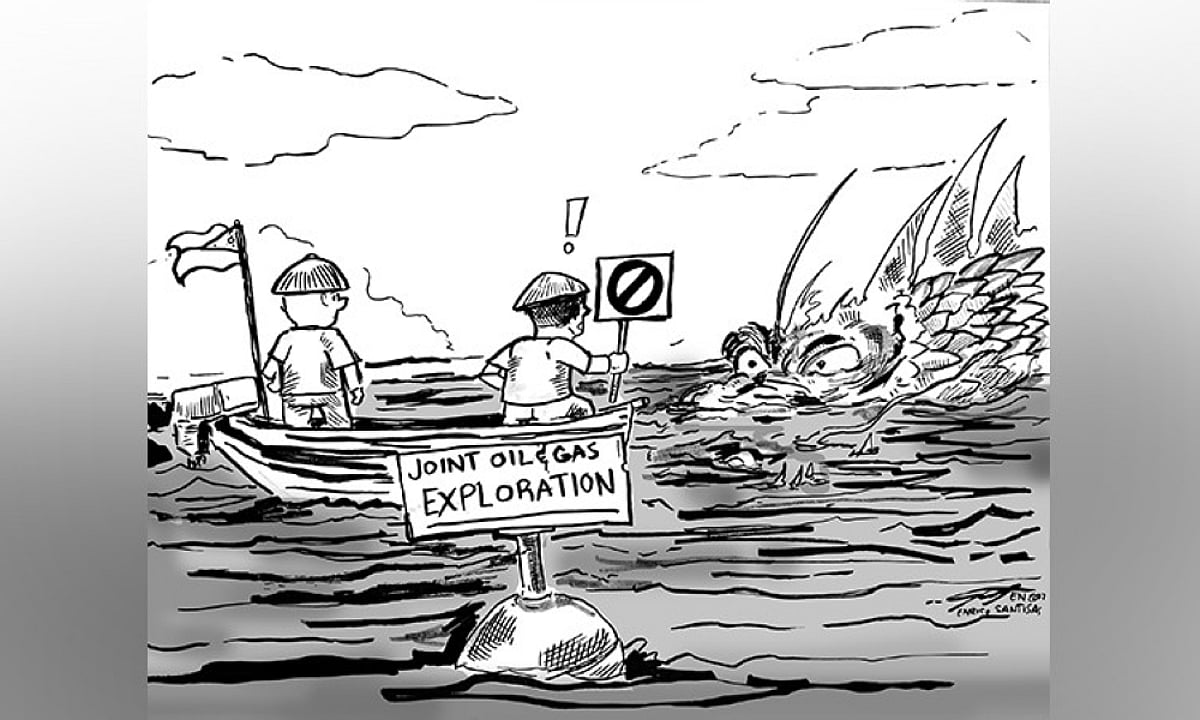
A central concern for both countries is China’s assertiveness, particularly its territorial ambitions in the South China Sea. Indonesia has offered India access to its strategically vital Sabang port, located near the Strait of Malacca, which could strengthen the partnership’s naval capabilities. This collaboration is essential for managing critical sea lines of communication and defending against potential threats in the region.
Indonesia recognizes the need for a closer partnership with India to counterbalance security issues arising from China’s aggressive posture. Both nations will benefit from negotiating their exclusive economic zones and enhancing information-sharing mechanisms for maritime traffic monitoring. Historically, their cooperation has been limited; however, there’s potential for a more substantive partnership, especially in joint naval exercises and tracking commercial maritime activities.
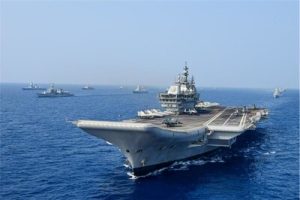
Modi’s administration is encouraged to seek inclusion in the Malacca Strait Patrols to enhance regional maritime awareness. Such participation would enable India to effectively monitor Chinese naval activities and expand its operational capacity in the Indo-Pacific. Strengthening logistical agreements—akin to those India has with France—would facilitate reciprocal support and broaden the scope of India’s naval operations, applying to bases across Indonesia.
As members of the Indian Ocean Rim Association, India and Indonesia are positioned to jointly formulate a cohesive regional order. Modi’s upcoming keynote address at the Shangri-La Dialogue presents an opportunity to assert India’s role as a ‘net security provider’ in the Indian Ocean, underscoring the importance of collaborative partnerships with countries like Singapore and Australia.
Looking ahead, initiatives such as developing cruise tourism between the Andaman Islands and Sabang, in conjunction with a focus on defense industries and maritime training, can further solidify the growing ties. Ultimately, fostering a peaceful and prosperous “maritime mandala” is essential for both nations to navigate the complexities of the Indo-Pacific landscape.
In summary, India’s strategic realignment with Indonesia, bolstered by maritime cooperation, presents a formidable pathway for addressing regional challenges and ensuring a balanced approach toward regional security and economic development. The evolving partnership serves as a potential counterbalance to China’s influence while promoting shared interests throughout Southeast Asia.