
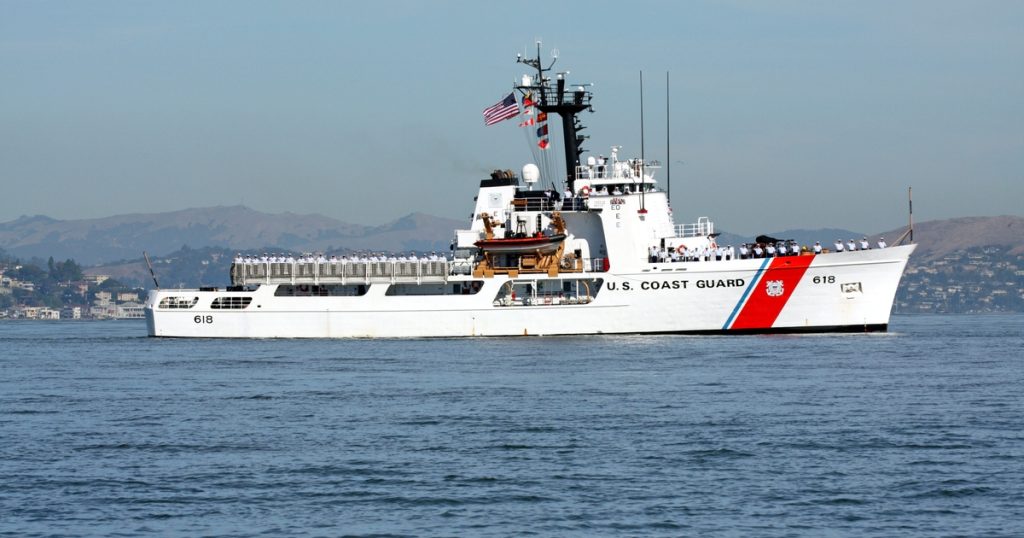
The U.S. Coast Guard faces significant challenges in securing the maritime supply chain, primarily due to insufficient staffing, training, and expertise in cybersecurity, as highlighted in a recent report by the Department of Homeland Security’s Office of Inspector General. This report reveals a troubling dynamic where both the maritime industry and the Coast Guard struggle to collaborate effectively on cybersecurity measures.
Despite the availability of free cybersecurity assistance from Coast Guard “Cyber Protection Teams” (CPTs) since 2021, only 36% of eligible organizations in the Maritime Transportation System (MTS) have sought this support. The report indicates a noticeable reluctance from the private sector to engage, underscoring a broader cultural hesitance to pursue necessary cybersecurity improvements. Moreover, inspections conducted by CPTs often fail to comprehensively address the full range of cybersecurity threats, exacerbated by the Coast Guard’s lack of authority and training needed to enforce compliance with cybersecurity best practices within private entities.
The Biden administration has recognized these shortcomings, issuing an executive order that enhances the Coast Guard’s role in private sector security. This includes the authority to manage cybersecurity response efforts pertaining to facilities, ports, and vessels. The Coast Guard is now tasked with establishing minimum cybersecurity requirements for the industry, leveraging its existing relationships and expertise to better protect maritime infrastructure.
While the Coast Guard has reported a 111% increase in cybersecurity incidents and has identified numerous vulnerabilities, it still falls short in effectively managing cybersecurity risks. Issues persist, including instances where CPT inspectors demonstrate limited understanding of cybersecurity vulnerabilities, largely due to inadequate training. Even when vulnerabilities are identified, the Coast Guard lacks the necessary means to enforce remediation among private organizations.
The evolving landscape of cyber threats playing upon the maritime industry is starkly illustrated by recent events, such as the impact of COVID-19 on supply chains and the blockage of the Suez Canal by the Ever Given. A report from the Coast Guard Cyber Command last year noted an 80% increase in ransomware incidents, with ransom demands tripling. Cyber espionage remains a constant threat, particularly from nation-state actors, further complicating the security environment.
Failure to address these vulnerabilities could have severe consequences, potentially endangering lives and disrupting global supply chains. As cybersecurity threats to the maritime sector escalate, experts warn that a lack of preparedness could lead to scenarios reminiscent of past supply chain disruptions. The interplay between comprehensive cybersecurity measures and successful operational continuity is urgent, as the ramifications of cyber failures could reverberate across industries dependent on maritime transportation. The challenges underscore the necessity for enhanced collaboration, training, and authority to safeguard this critical infrastructure in an increasingly digital and interconnected world.
Source link