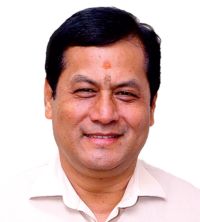
Sarbananda Sonowal, Union Minister of Ports, Shipping and Waterways, highlights the remarkable progress and future strategies of the Indian maritime industry in an interview discussing the sector’s evolution and potential. The government has significantly enhanced port operations and connectivity, focusing on the Maritime India Vision 2030 (MIV 2030), which aims to position India prominently in the global maritime arena through the development of advanced infrastructure, logistical efficiency, technology integration, and strong policy frameworks.
Key initiatives under this vision include the Major Port Authorities Act and the Inland Vessels Act, alongside the enhancement of national waterways—from just three operational in 2014 to 24 currently, reflecting a capacity increase from 6.89 million metric tonnes to 126 million metric tonnes.
To strengthen major ports’ competitiveness, the Ministry is promoting seamless goods movement through public-private partnerships and modernizing existing infrastructure. The Sagarmala programme has been instrumental in this effort, aimed at creating world-class port facilities and logistical hubs, with significant investment in 238 projects totaling Rs 2.54 trillion, expected to complete by 2035. Key achievements include modernized port infrastructure and reduced average container vessel turnaround time—from 41.7 hours in 2014 to about 27 hours in 2022.
Future projects include the development of greenfield international container ports, such as a mega transshipment port at Galathea Bay and an international container port at Vadhvan. Both projects are poised to enhance India’s maritime capabilities significantly. Additionally, the ministry has introduced corporate social responsibility (CSR) guidelines for major ports to streamline and expedite CSR initiatives.
Sonowal emphasizes the transformation of ports into “smart ports,” utilizing technology for operational efficiency. Goals include digitalizing 90% of all export-import transactions by 2030, employing drones for real-time monitoring, and implementing innovative technologies like IoT and big data. Transforming Jawaharlal Nehru Port and V.O. Chidambaranar Port into smart ports is a priority, with a focus on fostering a paperless environment and improved workflow integration.
The Ministry is also committed to developing green hydrogen infrastructure at major ports, facilitating India’s transition to greener energy sources. Ports like Deendayal and Paradip are identified to become hubs for green hydrogen and ammonia export, supported by initiatives like the Harit Sagar Guidelines 2023 to enhance sustainability.
Looking ahead, Sonowal outlines immediate priorities for 2023-24, including the award of 20 new public-private partnership (PPP) projects and the completion of 95 ongoing projects. He foresees key trends shaping the sector, including increased digitalization, a shift towards green shipping, and enhanced inland waterways transport.
In summary, the Ministry of Ports, Shipping and Waterways aims to make India a global maritime leader by implementing innovative technologies, expanding capacities, and committing to sustainable practices, ultimately supporting the larger vision of India’s self-reliance and development by 2047.