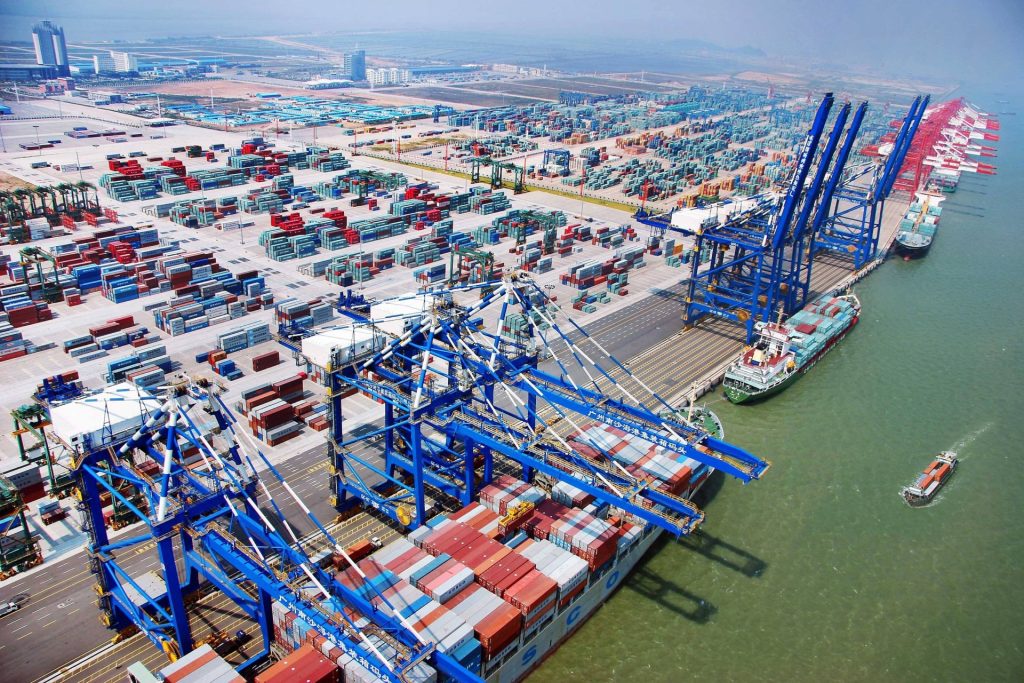
This article discusses the evolving challenges of maritime occupational health and safety (OHS) over the past two decades, particularly in Southeast Asia. Maritime OHS issues have long plagued the shipping industry, with risks stemming from factors like noise, exposure to extreme temperatures, confined working spaces, and fatigue. The COVID-19 pandemic exacerbated these concerns, highlighting the substandard working conditions for seafarers and the inadequate responses from governments.
The primary governance tools addressing maritime OHS are rooted in four key international conventions: the SOLAS Convention, STCW Convention, MARPOL Convention, and the ILO’s Maritime Labour Convention (MLC), 2006. While these frameworks aim to enhance safety and uphold seafarers’ rights, implementation can be inconsistent, leading to significant disparities in how OHS measures are enforced. The MLC, often viewed as a seafarers’ “bill of rights,” entrusts various stakeholders—including flag, port, and supplying states—with the responsibility of ensuring compliance. Although most states have ratified the MLC, feedback from seafarers reveals that while some have noted improvements in work conditions, many believe their situations remain unchanged.
Inadequate OHS implementation can lead to severe consequences, with human error accounting for 80-85% of maritime accidents. Factors such as crew fatigue, poor decision-making, and organizational issues contribute to accidents at sea. The enhanced flexibility within the MLC allows some ships to circumvent strict OHS compliance by docking at lenient ports, particularly affecting smaller vessels that often operate in Southeast Asian waters.
The COVID-19 pandemic exposed further flaws in maritime health regulations. Many seafarers found themselves stranded on ships, facing contract expirations and inadequate medical attention. The stagnant education and training of seafarers during this time posed additional risks, echoing past challenges post-9/11, where enhanced security protocols incorrectly marginalized seafarers.
Maritime awareness has seen positive progress, such as the adoption of the ILO Convention 185 on Seafarers’ Identity Documents, which aims to facilitate seafarers’ movements and reduce health risks. Collaborative efforts among international organizations, the shipping industry, and labor representatives have also emerged to elevate seafarers’ status as essential workers during the pandemic.
To bolster OHS in the maritime sector, there’s a pressing need for stricter regulations in labor-producing nations like the Philippines and Indonesia. Flag states must rigorously enforce compliance with OHS measures outlined in the MLC, ensuring fair treatment of seafarers. Port states should ensure incoming vessels meet OHS standards and provide emergency responses to seafarers in distress.
In conclusion, enhancing maritime OHS standards requires a multifaceted approach encompassing stricter regulations, improved training, and stronger compliance among stakeholders. While challenges persist, particularly highlighted by the COVID-19 pandemic, there’s a pathway to advance seafarers’ rights and operational safety in the maritime industry.