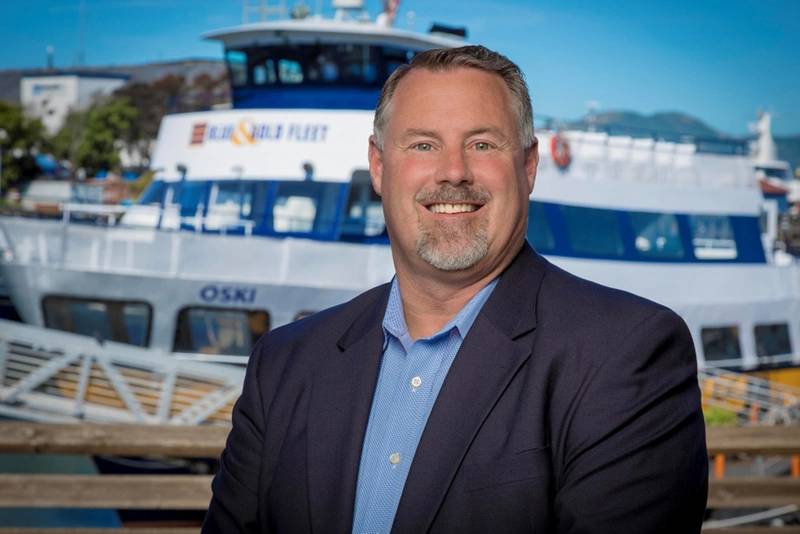
Captain Thomas Kemewerigha, former President of the Nigerian Merchant Navy Officer and Water Transport Senior Staff Association, speaks candidly about the dire conditions faced by Nigerian seafarers. He emphasizes the discrepancies in pay and working conditions, stating that Nigerian seafarers are treated like slaves, receiving wages significantly lower than their counterparts in other African nations.
Kemewerigha notes that while the International Transport Workers’ Federation (ITF) sets standards for seafarers globally, Nigeria has not adopted these benchmarks, which hinders local seafarers’ compensation and rights. He remarks on the exploitation stemming from a system plagued by politics and self-interest, where Nigerian mariners must spend substantial amounts—up to two million naira—on certifications, yet often remain unemployed until these certifications expire.
The captain underscores the absence of Nigerian shipowners in international forums, resulting in missed opportunities to advocate for better conditions. He points out that foreign workers, classified as expatriates, earn significantly more than their Nigerian counterparts for similar roles due to existing agreements that comply with international regulations. He highlights the cognitive dissonance within Nigeria’s maritime sector, where laws intended to protect seafarers are often disregarded.
On the recent formation of the Ministry of Marine and Blue Economy, Kemewerigha expresses skepticism, viewing it as merely a rebranding without substantive changes. He stresses the importance of appointing knowledgeable individuals in leadership positions, suggesting that current efforts to improve maritime conditions are insufficient.
The discussion about the Cabotage Vessel Financing Fund reveals Kemewerigha’s doubts about its efficacy, dubbing the initiative as deceptive. He criticizes government practices, including the borrowing from pension funds and the corruption that permeates the shipowning sector. He emphasizes the challenges faced by local shipowners in securing loans and the financial corruption within the banking system, which complicates access to capital required for maritime ventures.
Ultimately, Kemewerigha calls for a change of heart among stakeholders to respect laws regarding seafarer welfare and employment. He advocates for better regulations and practices that uplift Nigerian seafarers rather than treating them as expendable.
In summary, Captain Kemewerigha’s insights shed light on the systemic issues plaguing the Nigerian maritime industry, calling for urgent reforms to address pay disparities, representation, and the exploitation of local seafarers.