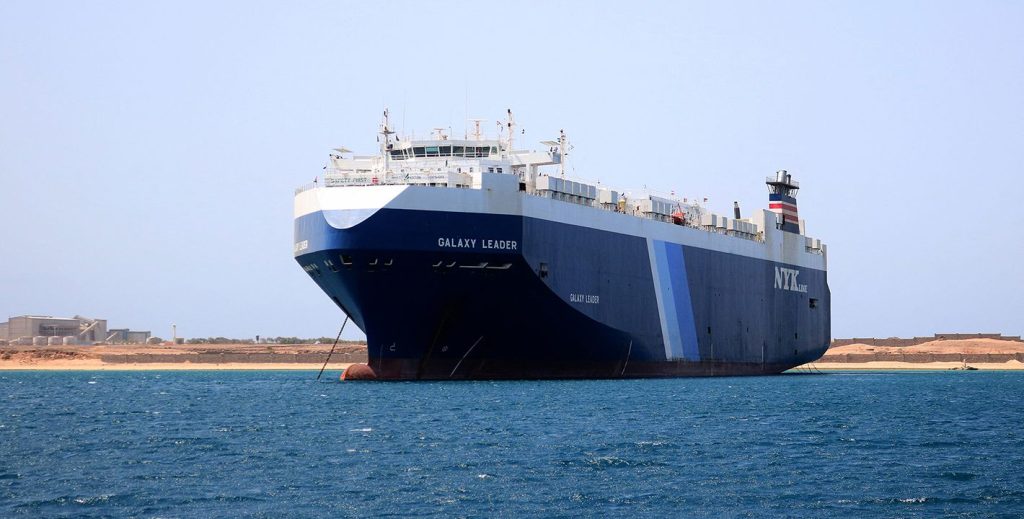
Since the onset of the Gaza conflict, Yemen’s maritime borders have become a focal point for regional and international tensions. The Houthis, known as Ansar Allah, have acted disruptively in the Bab al-Mandab Strait, a critical maritime passageway. Their actions are perceived as an attempt to pressure Israel and Western nations into hastening a ceasefire in Gaza. In response, the U.S. and European countries established naval operations, like the European Union’s Operation Aspides and the U.S.-led Operation Guardian Prosperity, aimed at safeguarding maritime traffic. However, these initiatives have faced significant challenges, primarily due to a lack of comprehensive strategies to tackle the underlying threats posed by Ansar Allah.
Operation Aspides was launched on February 19, 2024, under UN Security Council Resolution 2722, with a mandate to protect commercial vessels from Houthi attacks, ensure safe passage through the Strait, and enhance maritime awareness. Although the operation successfully escorted over 250 vessels and repelled multiple Houthi attacks, it remains largely ineffective, as the overall maritime traffic through the strait has plummeted by 55% compared to the previous year. Shipping companies have even rerouted around the Cape of Good Hope to avoid the strait. The operation’s limited scope has often prioritized short-term protection over addressing the longer-term challenges posed by Houthi actions.
The backdrop to the establishment of Operation Aspides highlights a strategic divergence from U.S. leadership. European nations like Spain, France, and Italy, reluctant to operate under U.S. command due to various concerns including command authority and the U.S.’s support for Israel, sought to carve out a more autonomous approach through Aspides. This culminated in a mission that emphasizes self-defense and defensive operations rather than preemptive strikes, a notable contrast to the U.S. strategy.
Despite these efforts, the EU’s operations have not succeeded in altering Houthi strategies nor in restoring pre-conflict levels of maritime traffic. The situation is compounded by Ansar Allah’s control of significant coastal areas, especially the strategic port city of Hodeida. While international diplomatic efforts have focused on dialogue and conflict resolution, they have failed to address the specific security threats posed by the Houthis, allowing them to maintain significant military capabilities and disrupt maritime trade. The Stockholm Agreement of 2018, which inadvertently strengthened the Houthis’ position, exemplifies the miscalculations that have guided international policy in Yemen.
In light of this reality, a reevaluation of EU policies is imperative. A more effective strategy could include supporting the internationally recognized Yemeni government while emphasizing security talks and addressing the arms proliferation that enables Houthi aggression. Moreover, the cooperation of maritime security efforts among regional partners could bolster defense capabilities and enhance stability in the Red Sea.
Ultimately, the mixed outcomes of Operation Aspides and Operation Guardian Prosperity underscore the urgent need for a long-term strategy that goes beyond short-term responses to Houthi provocations. The EU should focus on collaborative solutions with regional partners and reassess its approach toward peace negotiations, particularly in relation to security and arms control. A coordinated effort involving Western powers, regional states, and the Yemeni government may provide a more sustainable path toward stability in this critical maritime region.
Source link