The China Maritime Studies Institute (CMSI) conference, titled “The People of China’s Navy and Other Maritime Forces,” held on May 14-15, 2025, focused on the human factors influencing the People’s Liberation Army Navy (PLAN) and other maritime forces. Expertly summarized by Dr. Andrew Erickson, the conference findings highlight key areas such as leadership, organizational structure, human resources, training, and naval education within China’s maritime military forces.
One significant takeaway is the expanding role of Xi Jinping as China’s foremost navalist leader. Since his elevation to power in 2012, Xi has drastically influenced China’s naval buildup, prioritizing modernization and the establishment of robust maritime capabilities. Under his direction, the PLAN has seen significant advancements in hardware and operational capabilities, despite ongoing concerns regarding the quality of human factors and personnel management.
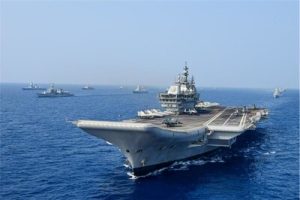
Despite the marked improvement in naval assets, including a near doubling of the surface fleet since 2008, experts at the conference noted that the PLAN still faces challenges with human capital. High-profile dismissals of flag officers—allegedly aimed at consolidating loyalty and power under Xi—underscore ongoing internal dynamics related to loyalty and factionalism. This adjustment of leadership does not seem to have adversely affected operational readiness, as PLAN components continue to show remarkable improvement in capabilities.
Recruitment and training strategies were described as increasingly sophisticated, with a strong emphasis on intellectual capability. The conference revealed that the PLAN successfully draws on a vast talent pool facilitated by its robust education system. Provincial conscription combined with high volunteerism, notably for skilled roles, reflects a strategic recruitment framework. Moreover, there is a growing recognition of the importance of mental health support for personnel, especially given the stress associated with intense training regimens.
In terms of education, significant differences were highlighted in how the PLAN trains its personnel compared to U.S. naval practices. Institutions like the Naval Command College emphasize warfighting scenarios and operational readiness, contrasting with U.S. practices, suggesting a need for more direct application of education to naval operations.
A crucial area of concern remains the PLAN’s political commissar system, which, despite being relatively modernized compared to its Soviet predecessor, may still cause decision-making bottlenecks in high-pressure environments. Experts debated the implications of organizational structures that prioritize loyalty over operational expertise.
The conference concluded by acknowledging both the strengths and weaknesses of the PLAN. While the rapid modernization of the navy positions it as a formidable force, internal cultural issues and recruitment challenges, particularly amidst declining youth commitment to party ideals, pose significant questions for its future effectiveness.
Overall, the proceedings from this CMSI conference provide crucial insights into the evolving dynamics of China’s naval forces, emphasizing a duality of growing capabilities alongside pressing internal challenges that could shape its operational readiness and effectiveness in the future. These findings will be further explored in subsequent reports by CMSI over the coming months.