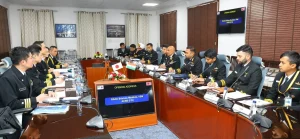
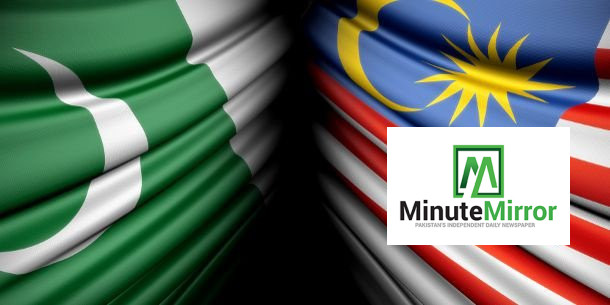
Pakistan and Malaysia are establishing a new framework for cooperation aimed at enhancing maritime training and increasing collaboration between their ports. This initiative was discussed during a recent meeting in the United Kingdom between Malaysia’s Deputy Minister of Transport, Hasbi bin Habibollah, and Pakistan’s Federal Minister for Maritime Affairs, Muhammad Junaid Anwar Chaudhry.
Chaudhry proposed a Memorandum of Understanding (MoU) to promote seafarer training and implement a cadet exchange program. This plan would allow Pakistani cadets to train in Malaysian academies, while Malaysian cadets would receive specialized courses in Pakistan. The exchange is viewed as an important step in building the skills of young seafarers and fostering long-term cooperation between the two nations.
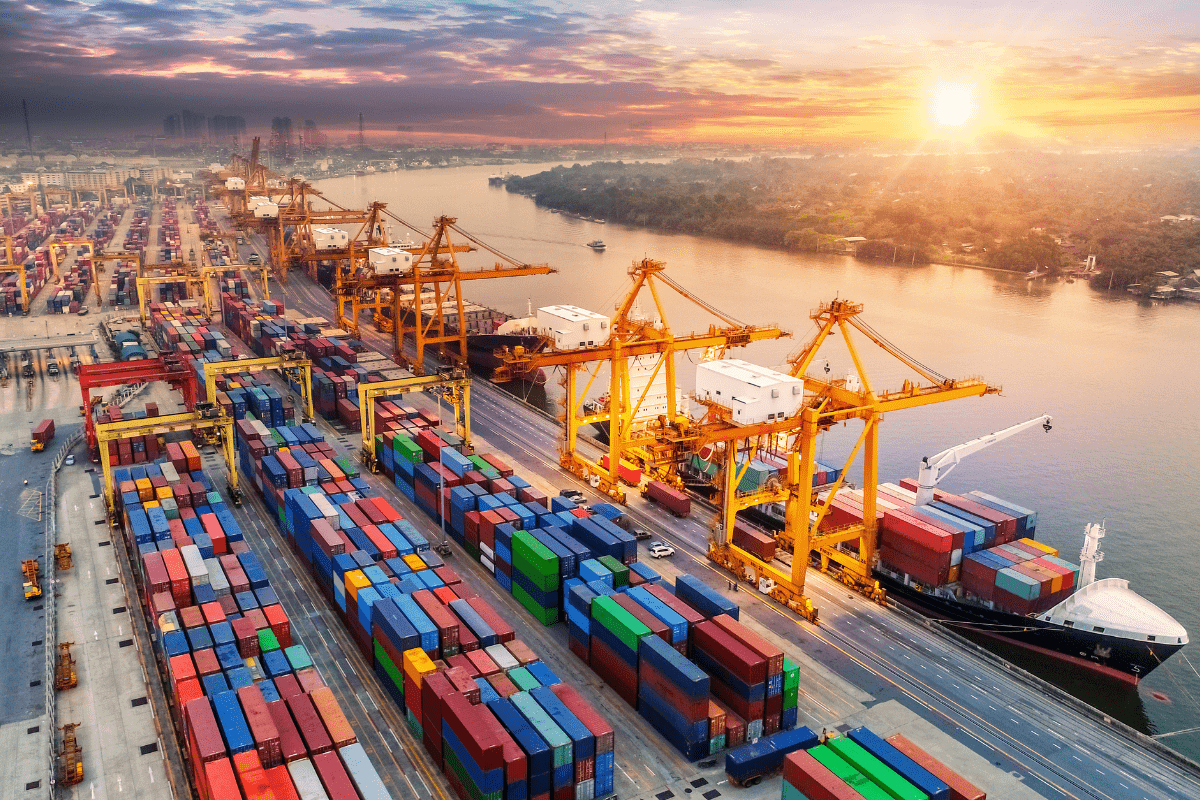
In addition to training initiatives, Chaudhry underlined Pakistan’s advancements in digital port solutions, offering Malaysia access to the Pakistan Single Window, which has been successfully operational at both Karachi Port and Port Qasim. This digital trade system aims to expedite cargo clearance processes, improve transparency, and facilitate trade.
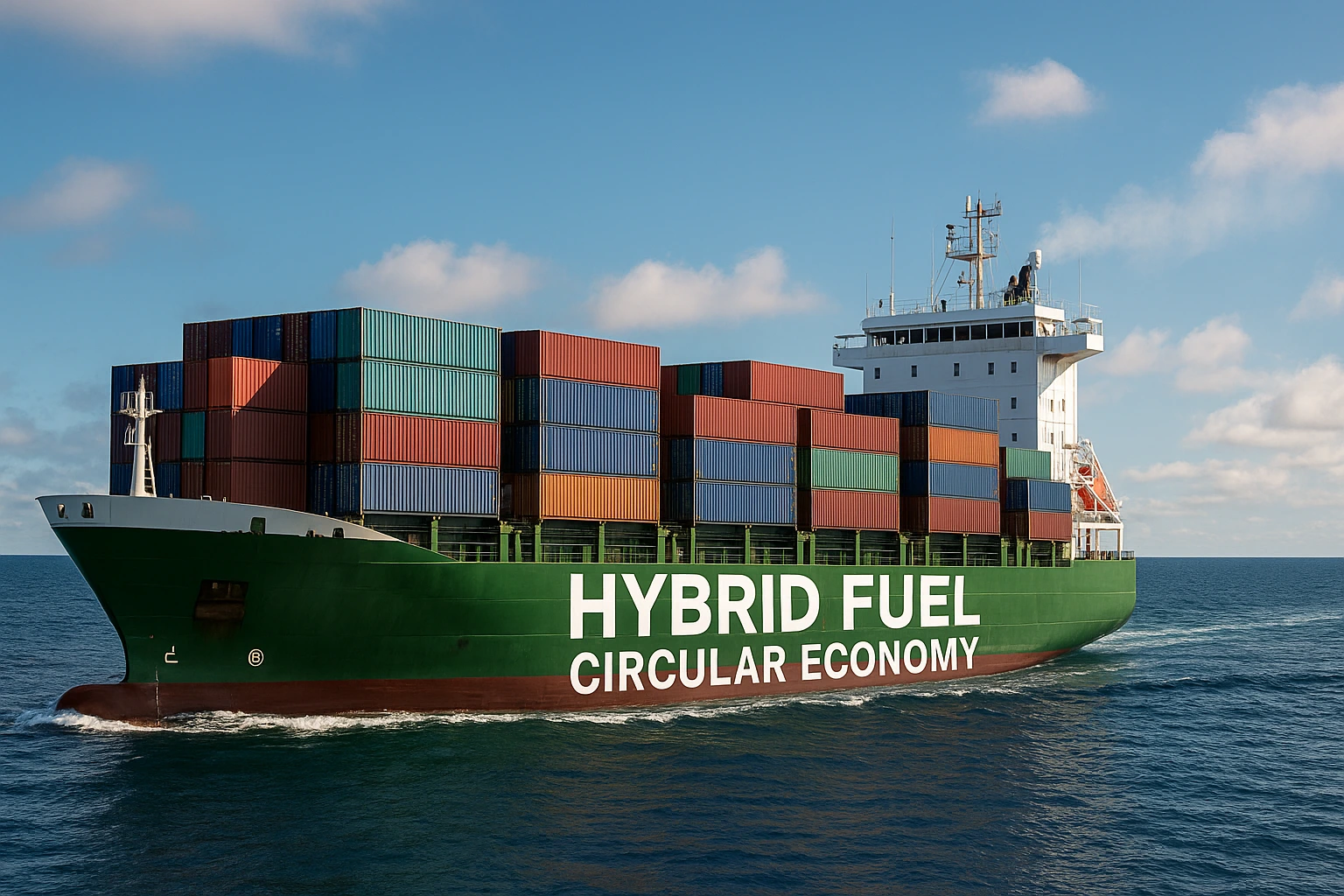
Chaudhry also suggested the establishment of direct feeder shipping lines between the two countries, which would provide onward connections to Indonesia. He highlighted how such links would reduce transportation times and costs, enhancing Pakistan’s rice exports to Southeast Asia while streamlining edible oil imports from Malaysia and Indonesia. This proposal aligns with Pakistan’s broader strategy to strengthen maritime connectivity with ASEAN economies.
For Malaysia, this initiative represents an opportunity to expand its maritime training network and enhance regional logistics integration, in line with its transport modernization goals. Both parties plan to hold technical consultations in the upcoming weeks to finalize the MoU’s scope, outline training modules, and set up mechanisms for the cadet exchange program.
In a separate development, Pakistan reaffirmed its commitment to global maritime governance by announcing its candidacy for Category C of the International Maritime Organization (IMO) Council. During the opening session of the IMO Assembly in London, Chaudhry emphasized Pakistan’s strategic location, which serves as a link between vital sea lanes in the Middle East, Central Asia, Africa, and the Indian Ocean.
He pointed out that Pakistan has undertaken several initiatives, including port digitalization, maritime safety improvements, and environmental efforts in port development. The country has also revamped its Marine Academy, established a Maritime University, and implemented reforms in seafarer certification in line with STCW (Standards of Training, Certification, and Watchkeeping) Convention standards.
Additional measures focus on strengthening vessel traffic management, enhancing marine pollution responses, and expanding coastal monitoring in collaboration with national and international stakeholders. These steps are part of Pakistan’s Maritime Vision 2047 and 2147, both of which are aligned with IMO standards.
Chaudhry discussed Pakistan’s commitment to the IMO’s climate agenda, mentioning initiatives in energy-efficient shipping and marine environmental protection, particularly at Gaddani, where compliance with the Hong Kong Convention is emphasized. He stressed that Pakistan’s candidacy for a Category C seat reflects its dedication to contributing to global maritime welfare, promoting equitable access for developing nations, and addressing climate challenges affecting coastal states.
Chaudhry concluded by calling for cooperation and innovative action, expressing Pakistan’s readiness to pursue a maritime future that promotes safety, sustainability, and prosperity.
Source link