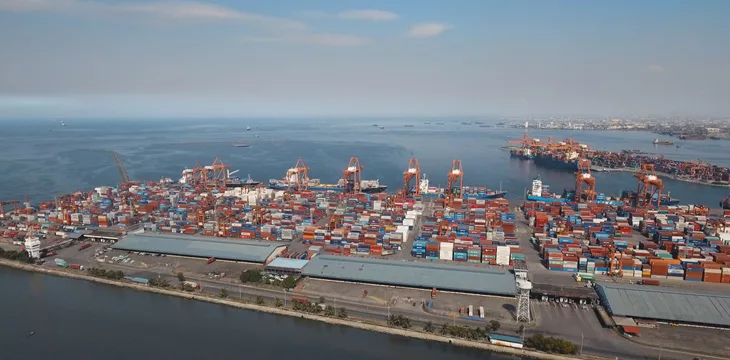
The Maritime Industry Authority (MARINA) of the Philippines is set to enhance maritime services through a new digital initiative called the Blockchain-Enabled System for Transactions (BEST). Announced by Elmer Sarmiento, Undersecretary for Maritime Affairs at the Department of Transportation (DOTr), on June 14, BEST aims to improve the efficiency and reliability of processes for seafarers and other maritime stakeholders.
The system utilizes blockchain technology for real-time processing and updates of applications, allowing users to pay online and receive notifications regarding certificate expiration. This advanced approach promises to significantly reduce fraud and increase transparency by enabling quick verification of document authenticity. The Philippine Coast Guard (PCG) will benefit from these improvements by being able to verify documents in real-time, thereby enhancing safety and efficiency in maritime operations.
In tandem with BEST, DOTr is also working on an online ticketing system for passenger ships to address chronic congestion and long wait times during peak travel periods, such as holidays. This proposed shift towards mandatory online ticketing for shipping lines aims to streamline ticket purchases, similar to practices in the aviation sector, thereby improving the overall travel experience for passengers.
These initiatives are part of a broader strategy for digitalization within the maritime industry, aligning with President Ferdinand Marcos Jr.’s directive for all government agencies to transition to digital services. Marcos emphasized that digitalization is crucial for modernizing essential services and combating corruption. By fostering a data-driven decision-making environment, the government hopes to enhance service delivery and improve operational efficiencies across all sectors.
However, MARINA Director Luisito de los Santos pointed out the complexities of modernizing the maritime sector, advocating for legislative reforms to support local shipyards and enhance ship inspection protocols. Such changes are critical for creating fair competition between local and foreign entities operating within economic zones.
In addition to these legislative needs, Sarmiento discussed efforts to streamline domestic shipping routes, which will allow foreign shipping lines to operate under the Public Service Act. By refining routing strategies, MARINA aims to improve container movement and boost intra-Asian trade.
Overall, the modernization of the Philippines’ maritime sector necessitates a multifaceted approach that combines digital innovation, legislative support, and fair competition. Through the strategic initiatives led by MARINA and DOTr, the Philippines can enhance operational efficiency and competitiveness, ultimately benefiting the nation’s economy and maritime safety. By embracing these advancements, the country stands to transform its maritime sector into a modern, streamlined, and more secure environment for all stakeholders involved.
Source link