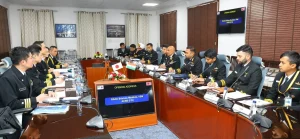
The Philippines has enacted a landmark legislation dubbed the “Magna Carta” for seafarers, aimed at enhancing the rights and protections of Filipino workers employed on international ships. The signing ceremony, hosted by President Ferdinand R. Marcos Jr. in Manila, marks a vital response to ongoing international concerns regarding the training and certification of Filipino seafarers. This bill comes at a crucial time, as seafarers face various challenges, including recent security threats in regions like the Red Sea.
The passage of the bill was initially delayed due to political maneuvering and contentious provisions that complicated its approval. The Philippines, being a leading provider of seafarers globally, had been under scrutiny for its training standards. Allegations of agencies issuing licenses for a fee without proper oversight had raised fears, particularly regarding potential European Union action to revoke recognition of Filipino seafarer credentials.
Dubbed the “Magna Carta,” the legislation outlines comprehensive rights and sets stringent standards for maritime education and training requirements essential for certification. President Marcos emphasized that the legislation reflects the government’s acknowledgment of seafarers’ contributions, stating, “We see you, we hear you, and we are here to support you.”
The bill aims to synchronize policies across multiple government entities, including the Maritime Industry Authority (MARINA), the Coast Guard, and various labor departments, to establish cohesive oversight. MARINA will be responsible for regulating and monitoring maritime training institutions, ensuring that they meet the necessary educational standards.
Speaker of the House Ferdinand Martin G. Romualdez highlighted the bill’s significance in safeguarding the welfare and employment of Filipino sailors, many of whom are hired by foreign shipping companies. He expressed hope that this measure would maintain the Philippines’ status as the largest supplier of seafarers worldwide.
Moreover, the legislation introduces new rights and provisions to protect workers at sea, aligning with the Maritime Labour Convention and addressing issues of discrimination against women sailors. However, some controversial elements remain, such as a requirement for seafarers to post a bond in disability disputes with employers, which critics argue favors foreign employers over local ones. This bond system can lead to lengthy processes before sailors recover their bond or any awarded compensation.
In his closing remarks, President Marcos underscored the bill’s broader significance, stating it aims not only to ensure fair compensation but also to secure the safety and fair treatment of seafarers. The legislation aims to position seafaring as a sustainable and rewarding career path for Filipinos, ensuring that rising standards translate into meaningful opportunities in the maritime sector.
Source link