The current situation involving Filipino seafarers highlights significant safety concerns amid rising security risks in the Red Sea due to Houthi attacks on maritime shipping. The Philippine government, through the Department of Migrant Workers, recently advised against assigning Filipino crews to vessels navigating this perilous area. This warning follows incidents earlier this month that affected thirty-eight Filipino seafarers, resulting in the deaths and the potential loss of several individuals.
Filipino seafarers constitute about 30% of the global maritime workforce, and this advisory may have serious implications for international shipping, affecting an estimated half of the vessels operating through the Red Sea. Although the Philippine government cannot directly mandate shipowners to adhere to its advice, it does regulate labor agencies that supply these crews. Agencies can face penalties for non-compliance, further compelling them to prioritize the advisory.
The standard employment agreement for Filipino seafarers allows them to refuse assignments in conflict zones, though this clause is infrequently utilized due to fears of job loss and logistical challenges in rotating crew members. Recent updates to the contract now grant seafarers an unambiguous right to disembark from vessels heading into active conflict areas. Shipowners and agencies must inform the Philippine government regarding any crew members who choose to stay onboard despite this right. The need to replace crew members who opt to leave can cause operational delays and increase costs, especially as insurance rates for vessels transiting the Red Sea have surged from 0.3% to 0.7% of a ship’s value.
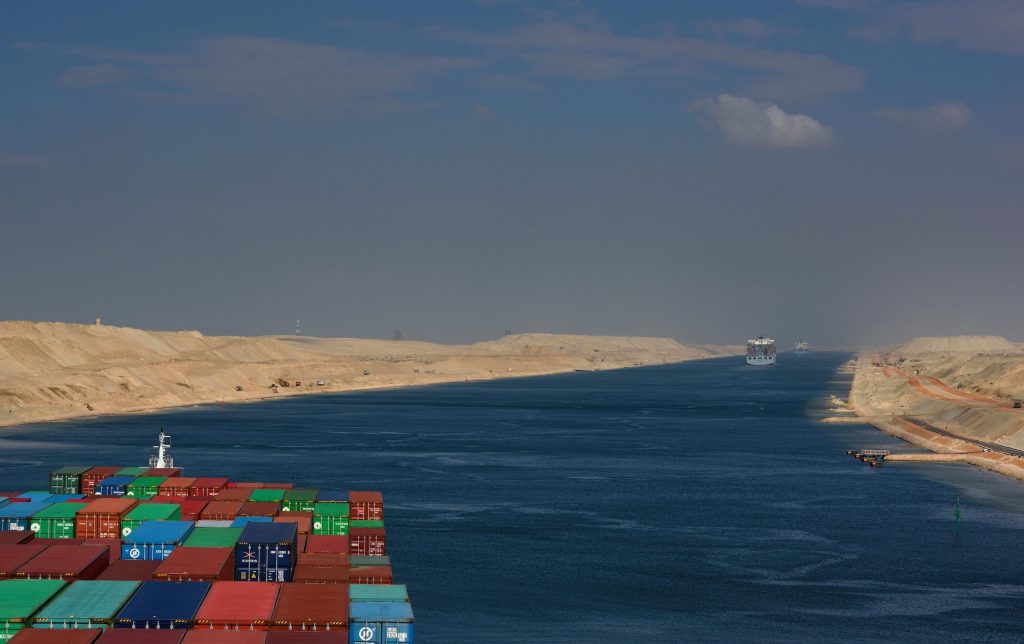
Captain Abhijit Naik from Marsh India and Middle East notes that these escalating costs are likely to impact consumers directly. Since late 2023, the Houthi group has increasingly targeted commercial shipping, prompting many shipping companies to reroute their vessels around the Cape of Good Hope, a longer and costlier alternative than the Suez Canal.
While there had been hopes for a de-escalation of tensions following a brief period of calm in May, the recent attacks on shipping have rekindled concerns about security in this crucial maritime trade route. As maritime stakeholders assess these developments, the potential ramifications for regional and global trade remain a pressing concern.
Source link