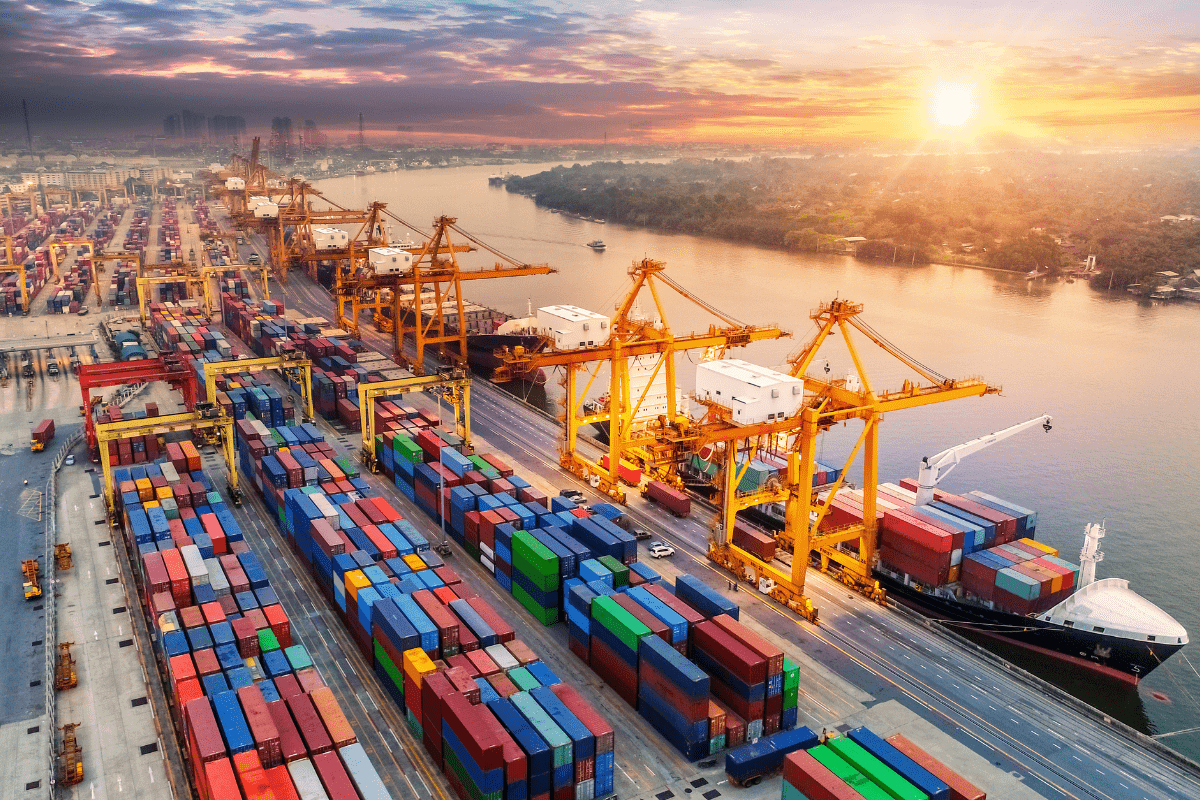

The Port of Los Angeles has experienced record shipping volumes in June, marking its busiest month in 117 years, with 892,000 container units processed, an 8% increase from the previous year. This surge comes amid ongoing uncertainties linked to President Donald Trump’s tariff threats, which have prompted businesses to adjust shipping strategies to avoid potential cost increases. Executive Director Gene Seroka voiced cautious optimism regarding the port’s performance; while the record volumes are a positive development, they also reflect businesses’ preemptive measures to navigate upcoming tariff adjustments.
As global shipping trends reveal similar patterns, Project44’s Eric Fullerton noted that imports from China have risen due to a temporary tariff pause initiated in April. However, Seroka anticipates a decrease in shipment volumes come August, coinciding with the end of the flurry of orders for the busy holiday shopping season and a looming trade deadline imposed by Trump. He highlighted that businesses are making efforts to import as much as possible before the August 1 cutoff, where tariffs on Japan and South Korea may rise significantly.
This preparation mirrors past trends, where companies accelerated shipments to mitigate the financial impact of previous tariff implementations. Fullerton underscored the ongoing uncertainty in the trade environment, prompting businesses to stockpile inventory to manage costs effectively, with some willing to rely on loans or cash reserves to facilitate this strategy. However, the risks of stockouts remain high, leading to further anxiety among suppliers and retailers.
Additionally, companies are reassessing their supply chains, often moving operations from China to more cost-effective alternatives in Southeast Asia, including Vietnam and Indonesia. This shift emphasizes the need for flexibility as businesses strive to balance inventory management amidst volatile trade conditions.
Experts predict that shipping data will continue to fluctuate as companies adapt to the unpredictable landscape. Rebecca Homkes from the London Business School emphasized that stable shipping patterns hinge on achieving clarity regarding long-term tariff levels, which remain elusive at this stage. Without consistent trade agreements and clear tariff frameworks, the port and the wider shipping industry are expected to experience ongoing volatility as businesses navigate these complex dynamics.